


The automotive manufacturing sector is experiencing a significant technological shift toward high-precision, automated production. According to the Fortune Business Insights 2026 Report, the global CNC machine market is projected to grow from USD 108.58 billion in 2026 to USD 251.61 billion by 2034. This growth is primarily driven by the rising demand for electric vehicles (EVs) and lightweight components. To maintain competitive advantage, Tier 1 and Tier 2 suppliers must deploy specialized CNC equipment capable of handling complex geometries with sub-micron accuracy.
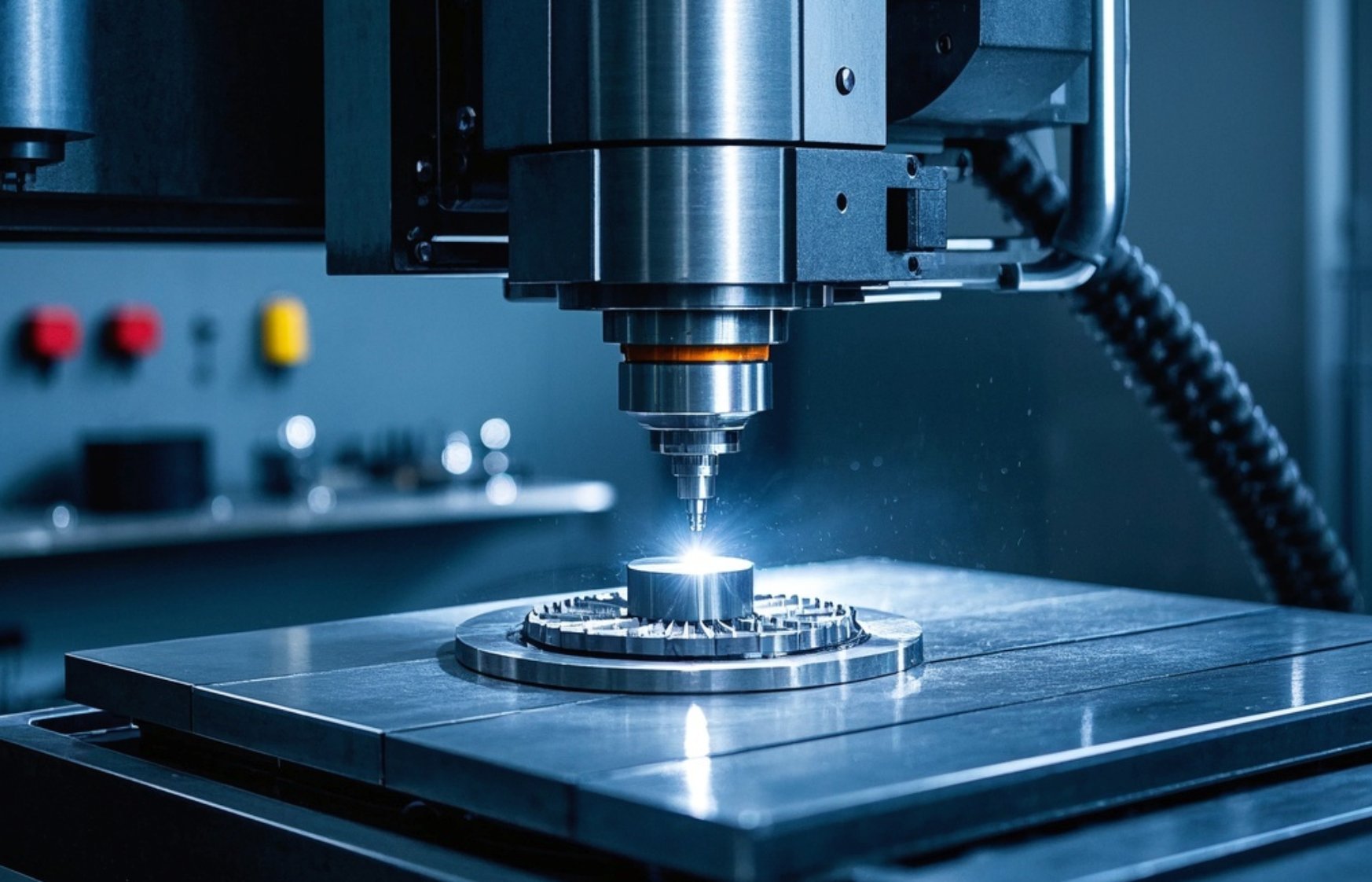
Multi-Axis CNC Milling Centers for Engine and EV Components
Advanced 5-axis CNC machining centers have become the industry standard for producing intricate automotive parts such as cylinder heads, turbocharger impellers, and EV motor housings. Unlike traditional 3-axis systems, 5-axis machines allow the cutting tool to approach the workpiece from five different directions simultaneously. This capability eliminates the need for multiple setups, which reduces human error and ensures the geometric dimensioning and tolerancing (GD&T) required for high-performance propulsion systems.
The integration of 5-axis CNC machining technology allows for the production of complex undercuts and deep cavities in a single operation. Research from SkyQuest Technology indicates that the automotive segment continues to dominate the CNC market due to the necessity for faster cycle times and reduced material waste. By utilizing high-speed spindles and adaptive control algorithms, manufacturers can achieve superior surface finishes on aluminum alloys and hardened steels used in modern drivetrains.
| Feature | 3-Axis CNC Milling | 5-Axis CNC Milling |
|---|---|---|
| Setup Frequency | Multiple setups required | Single-setup processing |
| Complexity | Simple prismatic parts | Complex 3D geometries |
| Accuracy | Standard (±0.01 mm) | Ultra-high (±0.002 mm) |
| Tool Wear | Higher due to orientation | Optimized tool-to-part contact |
High-Precision CNC Lathes for Transmission and Shaft Production
CNC turning centers remain indispensable for manufacturing symmetrical automotive components, including crankshafts, camshafts, and transmission gears. Modern CNC lathes often incorporate “Live Tooling,” which enables milling and drilling operations on the same machine. This multitasking capability is critical for reducing the “dock-to-stock” time in high-volume production environments. In 2026, the adoption of automated CNC machines with robotic bar feeders has significantly lowered the cost per part for mass-produced cylindrical components.
The technical requirement for transmission shafts involves extreme rotational balance and thermal stability. Current industry data suggests that lathe machines are the largest segment by type in the CNC tool market, valued for their ability to maintain tight tolerances during continuous 24/7 operations. These machines utilize advanced sensor-based tool wear analytics to prevent defects before they occur, which is a key component of the 2026 CNC machining trends focusing on operational resilience and zero-defect manufacturing.
CNC Grinding Machines for Surface Integrity
CNC grinding machines are utilized in the final stages of automotive manufacturing to achieve the mirror-like surface finishes required for fuel injection systems and hydraulic valves. High-precision cylindrical and surface grinders remove minute amounts of material, ensuring that metal-on-metal contact points have minimal friction. This level of precision is vital for meeting the stringent emission standards and fuel efficiency goals established by global regulatory bodies.
Key performance indicators for CNC grinding in 2026 include:
Surface Roughness (Ra): Values as low as 0.05 μm for fuel system components.
- Thermal Control: Integration of real-time coolant monitoring to prevent metallurgical damage.
- Automated Dressing: AI-driven wheel dressing cycles to maintain abrasive sharpness without operator intervention.
Swiss-Type CNC Machines for Small Precision Parts
For the production of small, high-volume fasteners, sensors, and electronic connectors, Swiss-type CNC machines offer unparalleled efficiency. These machines feature a sliding headstock that supports the workpiece near the cutting point, preventing deflection during the machining of long, thin parts. As vehicles become more “software-defined” and packed with electronic control units (ECUs), the demand for high-speed precision machining of miniature components has surged.
Unlike standard lathes, Swiss-type machines can perform multiple operations simultaneously on both the front and back ends of a part. According to the 2026 CNC Machining Outlook by IndexBox, the shift toward smart factory integration has made these machines essential for real-time data collection and traceability in the electronics supply chain. The ability to produce thousands of parts per day with minimal supervision makes them a cornerstone of modern automotive lean manufacturing.
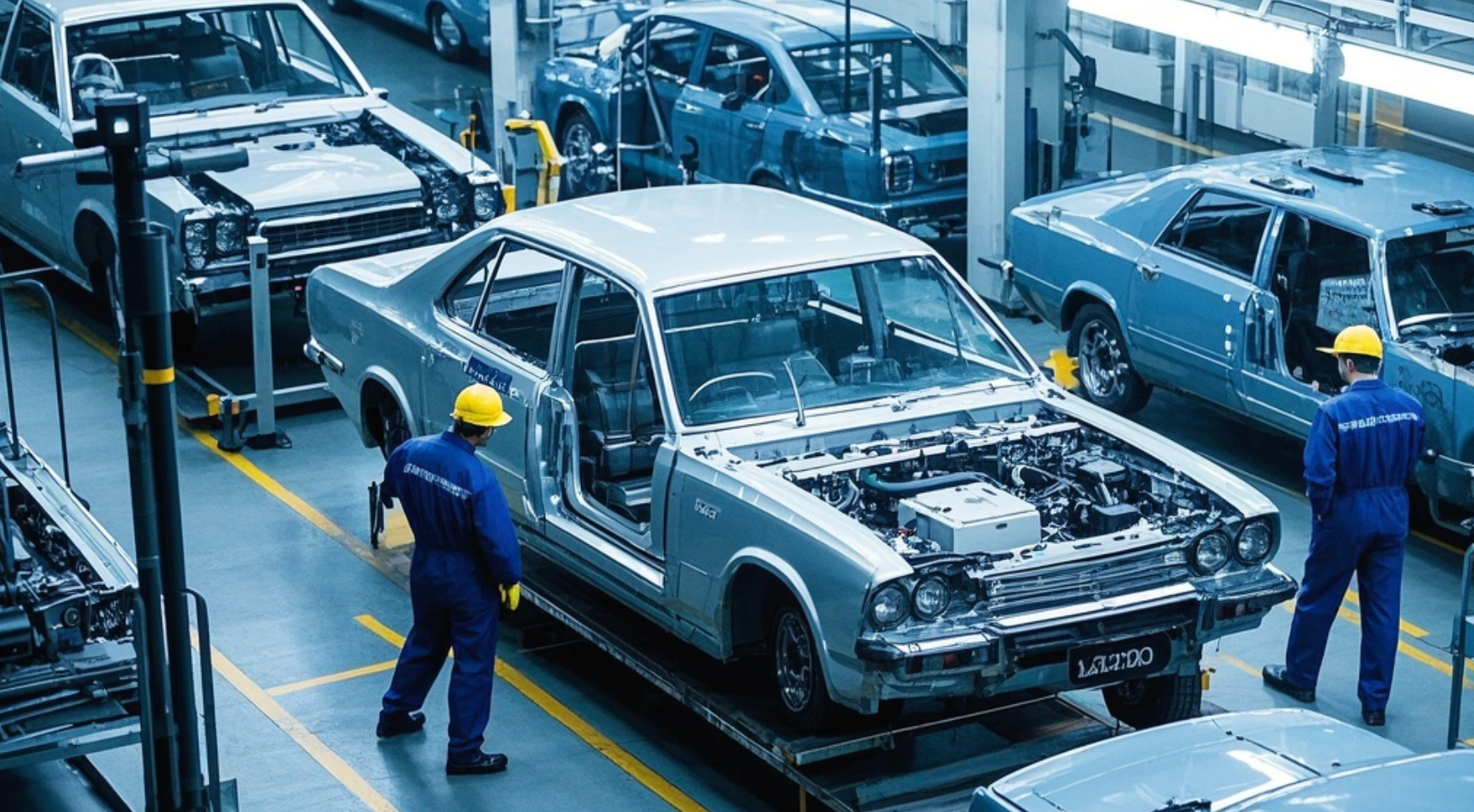
Vertical and Horizontal Machining Centers (VMC vs. HMC)
The choice between Vertical Machining Centers (VMC) and Horizontal Machining Centers (HMC) often depends on the specific automotive part and production volume. VMCs are generally preferred for heavy-duty milling on large parts like engine blocks due to their lower cost and ease of setup. Conversely, HMCs are favored for high-volume production because their horizontal orientation allows chips to fall away naturally, reducing the risk of tool breakage and surface scarring.
1.HMC Productivity: Features integrated pallet changers that allow for loading/unloading while the machine is running.
2.VMC Versatility: Ideal for rapid prototyping and low-to-medium volume production of structural brackets.
3.Spindle Speed: 2026 models typically reach speeds of 15,000 to 30,000 RPM to handle lightweight magnesium and carbon fiber composites.
| Comparison Factor | Vertical Machining (VMC) | Horizontal Machining (HMC) |
|---|---|---|
| Chip Evacuation | Relies on coolant/gravity | Natural gravity evacuation |
| Initial Investment | Lower ($$) | Higher () |
| Floor Space | Compact footprint | Large, multi-pallet systems |
| Best For | Prototyping, Flat Parts | High Volume, Multi-sided Parts |
The Integration of AI and Digital Twins in CNC Operations
By mid-2026, the leading CNC machines in the automotive sector will be fully integrated with AI-native machining software. This technology uses real-time sensor feedback to adjust feed rates and cutting speeds dynamically, responding to variations in material hardness or tool vibration. Digital twin technology has also become a production backbone, allowing engineers to simulate the entire machining process virtually before a single chip is cut.
This virtual commissioning process reduces the risk of expensive machine crashes and optimizes toolpaths for the shortest possible cycle time. Industry experts at Stecker Machine highlight that shops adopting these digital tools see a marked improvement in delivery reliability and quality consistency. The convergence of IoT and CNC controls ensures that every manufactured part has a digital birth certificate, providing the full traceability required for safety-critical automotive components.
FAQ
What is the most common CNC machine used for EV battery housing?
High-speed 5-axis vertical machining centers (VMCs) are typically used for EV battery housings. These machines provide the large work envelope and high precision needed to machine thin-walled aluminum structures. They often feature specialized vacuum fixtures to ensure the housing remains flat and secure during high-speed milling operations.
How does CNC machining improve automotive fuel efficiency?
CNC machining enables the production of components with extremely tight tolerances and superior surface finishes. This reduces internal friction in engines and transmissions, allowing them to operate more efficiently. Additionally, CNC technology allows for the machining of lightweight alloys, which reduces the overall vehicle weight and improves mileage.
Why is 5-axis machining preferred over 3-axis for engine parts?
5-axis machining allows for the completion of complex parts like cylinder heads in a single setup. This maintains the perfect alignment of valve seats and guides, which is difficult to achieve when a part must be moved between multiple 3-axis machines. It also allows shorter cutting tools to be used, reducing vibration.
What role does automation play in automotive CNC machining today?
Automation has expanded beyond simple part loading. In 2026, many automotive CNC lines use robotic arms for automated inspection, cleaning, and pallet management. This reduces labor costs and ensures that production continues uninterrupted during “lights-out” shifts, which is essential for meeting the high-volume demands of global OEMs.
Can CNC machines handle the new lightweight composites used in cars?
Yes, modern CNC machines are equipped with specialized diamond-coated tools and high-pressure coolant systems designed specifically for carbon fiber reinforced polymers (CFRP) and magnesium. These machines use high spindle speeds and specific dust extraction systems to prevent the abrasive fibers from damaging the machine’s internal components.
Post time: Apr-15-2026