


CNC machining centers and turning solutions are vital tools in industrial manufacturing. They enhance productivity by optimizing processes and improving precision. Understanding their differences helps you choose the right solution for your needs, ensuring efficient production and superior quality in your projects.
Key Takeaways
- CNC machining centers automate manufacturing processes, allowing for precise tasks like milling and drilling in one setup, which saves time and effort.
- Turning solutions specialize in creating cylindrical parts with high precision, making them ideal for industries like aerospace and automotive.
- When choosing between CNC machining centers and turning solutions, consider production volume, material types, and budget to find the best fit for your needs.
Overview of CNC Machining Centers
Definition and Functionality
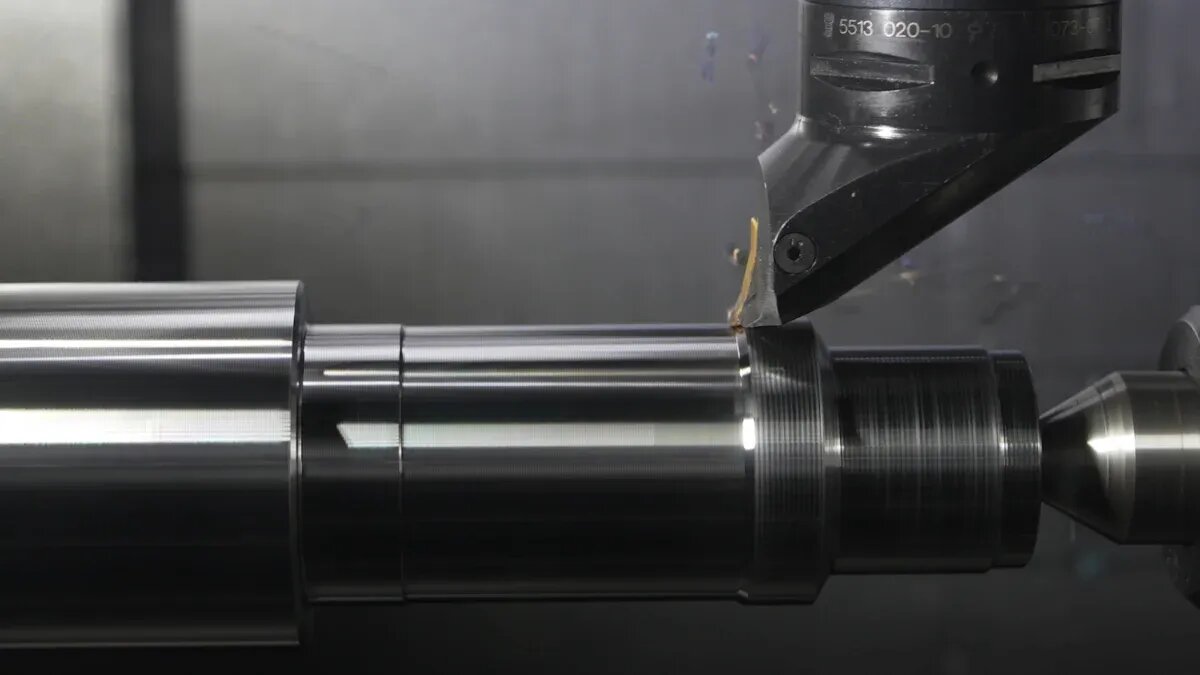
CNC machining centers are advanced machines that automate the manufacturing process. They utilize computer numerical control (CNC) to guide tools and machinery, allowing for precise and efficient production. These machines can perform various tasks, including milling, drilling, and tapping, all in one setup. This capability significantly reduces the time and effort required for complex manufacturing processes.
Common Applications in Industry
CNC machining centers find applications across various industries due to their flexibility and precision. Here are some common applications:
- Automated Production: They streamline production lines, reducing manual labor and increasing output.
- Communications Industry: CNC machining centers produce components for telecommunications equipment, ensuring high accuracy.
- Electronics Industry: They manufacture intricate parts for electronic devices, meeting strict tolerances.
- Mold Manufacturing: These machines create molds for various products, enhancing the quality and consistency of the final output.
By understanding the capabilities and applications of CNC machining centers, you can make informed decisions about integrating them into your manufacturing processes.
Overview of Turning Solutions
Definition and Functionality
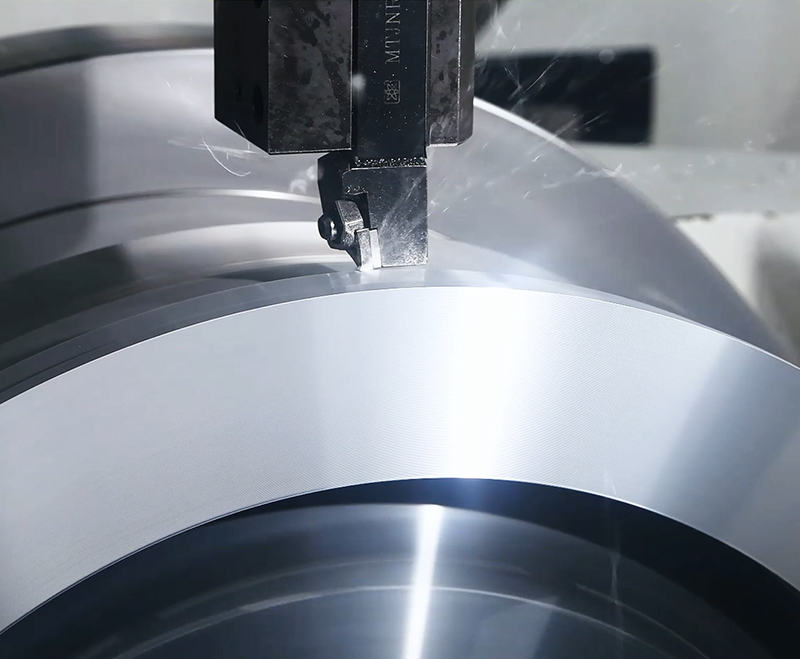
Turning solutions refer to a specific type of CNC machining that focuses on rotating a workpiece against a cutting tool. This process allows for the creation of cylindrical parts with high precision. You can achieve various shapes, including shafts, discs, and complex geometries, by adjusting the tool’s position and speed. The primary function of turning solutions is to remove material from the workpiece to achieve the desired dimensions and surface finish.
Key Features and Capabilities
Turning solutions come equipped with several advanced features that enhance their performance. Here are some key capabilities:
| Feature | Description |
|---|---|
| High Precision Cutting | Turning solutions provide exceptional accuracy, allowing you to meet tight tolerances. |
| Versatile Tooling Options | You can use various cutting tools, including inserts and drills, to accommodate different materials. |
| Automated Tool Change | Many machines feature automatic tool changers, reducing downtime and increasing productivity. |
These features enable you to optimize your manufacturing processes, ensuring high-quality outputs while minimizing waste.
Common Applications in Industry
Turning solutions find applications across multiple industries due to their versatility and efficiency. Here are some common uses:
- Aerospace: They produce critical components like turbine shafts and landing gear parts, where precision is paramount.
- Automotive: Turning solutions manufacture engine components, axles, and transmission parts, ensuring durability and performance.
- Medical Devices: They create intricate parts for surgical instruments and implants, meeting stringent regulatory standards.
By understanding the capabilities and applications of turning solutions, you can make informed decisions about integrating them into your manufacturing processes. This knowledge will help you enhance productivity and maintain high-quality standards in your projects.
Key Differences and Applications
Comparison of Processes
CNC machining centers and turning solutions serve distinct purposes in manufacturing. CNC machining centers excel in multi-axis operations, allowing you to perform various tasks like milling and drilling in one setup. In contrast, turning solutions focus on rotating a workpiece against a cutting tool, primarily shaping cylindrical parts. This fundamental difference influences how you approach your manufacturing projects.
Suitability for Different Materials
When selecting between these two solutions, consider the materials you will work with. CNC machining centers handle a wide range of materials, including metals, plastics, and composites. They are particularly effective for complex geometries. Turning solutions, however, are best suited for materials that require precise cylindrical shapes, such as metals and certain plastics. Understanding the material properties will help you choose the right machine for your needs.
Industry-Specific Applications
Both CNC machining centers and turning solutions find applications across various industries. Here are some industry-specific applications for CNC machining centers:
| Industry Field |
|---|
| Aviation |
| Nuclear |
| Aerospace |
| Machine Building |
| Electrical and Instrument Making |
These applications highlight the versatility of CNC machining centers in producing intricate components. Turning solutions also play a crucial role in industries like automotive and medical, where precision is vital. By recognizing these differences and applications, you can make informed decisions that enhance your manufacturing efficiency.
Factors to Consider When Choosing CNC Machining Center or Turning Solutions
Production Volume Requirements
When selecting between a CNC machining center and turning solutions, consider your production volume. If you require high-volume production, CNC machining centers often provide the speed and efficiency needed. They can handle multiple tasks in one setup, which reduces cycle times. For lower volume production, turning solutions may suffice, especially for specific cylindrical parts.
Material Types and Complexity
The materials you plan to work with significantly influence your choice. CNC machining centers excel with complex geometries and a variety of materials, including metals and plastics. If your projects involve intricate designs, a CNC machining center is likely the better option. Conversely, if you focus on producing cylindrical shapes from metals or certain plastics, turning solutions will meet your needs effectively.
Budget and Cost Considerations
Budget plays a crucial role in your decision-making process. CNC machining centers typically require a higher initial investment due to their advanced capabilities. However, they can lead to cost savings over time through increased efficiency and reduced labor costs. Turning solutions generally have lower upfront costs, making them suitable for businesses with tighter budgets. Evaluate your financial situation and long-term goals to determine the best fit for your operations.
CNC machining centers and turning solutions play crucial roles in industrial manufacturing. You must select the right option based on your specific needs. Assess your requirements carefully by considering the following criteria:
| Assessment Criteria | Description |
|---|---|
| Production Requirements | Guided by your specific production needs. |
| Product Characteristics | Consider the features of the products being manufactured. |
| Budget | Evaluate financial constraints for cost-effective solutions. |
| Evaluation Methods | Use professional methods to assess options. |
| Supplier Selection Strategies | Choose the most suitable equipment based on the above criteria. |
By doing so, you can enhance efficiency and quality in your operations.
FAQ
What is the main difference between CNC machining centers and turning solutions?
CNC machining centers perform multiple tasks like milling and drilling, while turning solutions focus on shaping cylindrical parts through rotation.
Which industries benefit most from CNC machining centers?
Industries such as aerospace, automotive, and electronics benefit significantly from CNC machining centers due to their precision and versatility.
How do I choose between CNC machining centers and turning solutions?
Consider your production volume, material types, and specific project requirements to determine the best fit for your manufacturing needs.
Post time: Jun-10-2026