


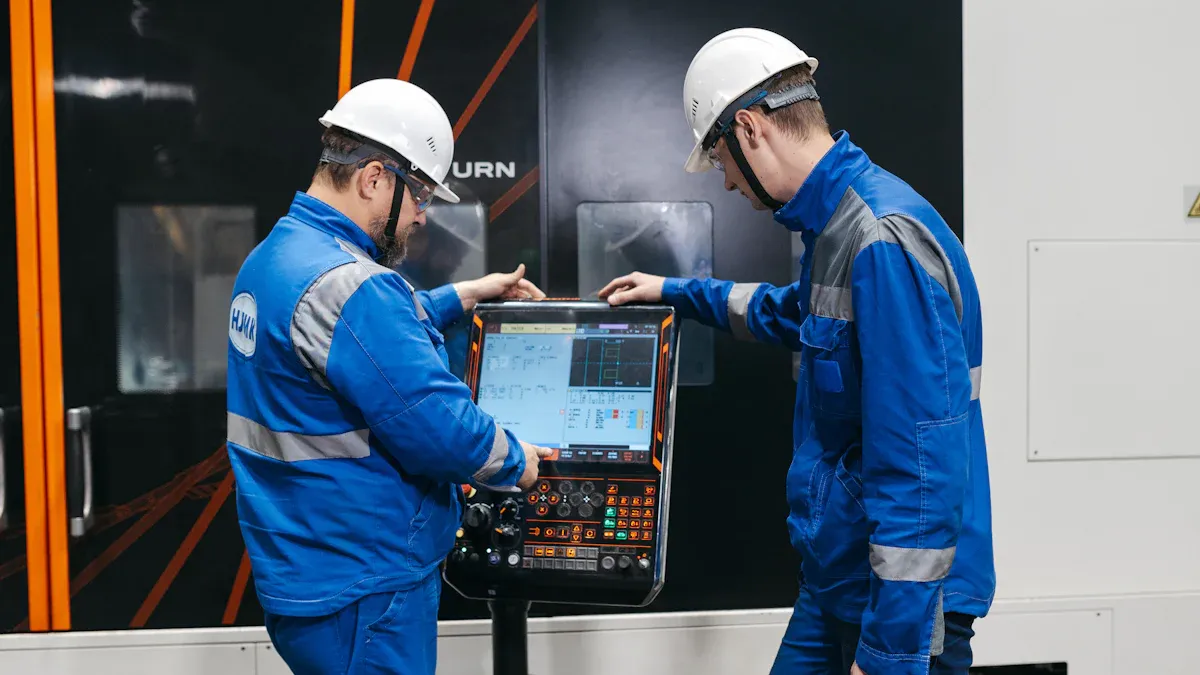
Daily maintenance procedures are crucial for any CNC Turning Center. These essential routines ensure optimal performance and prevent costly downtime. Effective Daily Maintenance for CNC Machines directly contributes to operational efficiency. Adopting critical daily habits helps extend CNC turning center lifespan. Such practices also support High Precision CNC Machining Tips, maintaining consistent output quality. Proactive CNC Lathe Maintenance minimizes unexpected issues, reducing the need for extensive CNC machine troubleshooting tips.
Key Takeaways
- Daily maintenance keeps your CNC machine working well. It stops expensive breakdowns and keeps production going.
- Regular checks ensure parts are made correctly. This helps your machine last longer and keeps operators safe.
- Always check coolant, lubrication, and air pressure before you start. This prevents problems during the day.
- Watch for strange noises or alarms while the machine runs. Fix small issues quickly to avoid bigger problems.
- Clean the machine and remove chips after each shift. This keeps the machine ready for the next day.
Why Daily Maintenance is Crucial for Your CNC Turning Center
Preventing Costly Downtime and Repairs
Daily maintenance actively prevents unexpected machine failures. Unplanned downtime significantly impacts production schedules. Research indicates manufacturers can lose as much as $260,000 per hour due to downtime. While this figure represents a general manufacturing average, it underscores the substantial financial impact of operational interruptions. Proactive maintenance on a CNC Turning Center mitigates these risks. It ensures continuous operation and avoids expensive emergency repairs.
Ensuring Part Quality and Accuracy
Consistent daily care directly influences the precision of machined components. Worn tools or contaminated coolant compromise dimensional accuracy. Regular checks maintain the machine’s calibration. This ensures every part meets strict quality specifications. High-quality output is essential for customer satisfaction and business reputation.
Extending CNC Turning Center Lifespan
Routine maintenance reduces wear and tear on critical components. Proper lubrication and cleaning prevent premature aging of parts. This extends the operational life of the CNC Turning Center. It protects the significant investment in machinery. A well-maintained machine performs reliably for many years.
Enhancing Operator Safety
Daily maintenance practices directly contribute to a safer working environment for machine operators. A well-maintained machine operates predictably. This reduces the risk of unexpected malfunctions or movements that could cause injury. Operators rely on the machine’s consistent performance.
Consider these safety benefits:
- Reduced Risk of Slips and Falls: Regular cleaning of the work area and machine surfaces removes oil, coolant, and chip buildup. These substances create hazardous slip zones. A clean floor prevents accidents.
- Prevention of Tool Breakage: Operators inspect tools daily. They identify worn or damaged tooling before use. This prevents unexpected tool breakage during operation. Broken tools can become dangerous projectiles.
- Functional Safety Guards: Maintenance checks ensure all safety guards and interlocks function correctly. These critical components protect operators from moving parts and ejected debris. A properly working guard system is non-negotiable.
- Clear Work Zones: Removing chips and debris from the machine and surrounding area maintains clear access. Operators can move freely without tripping hazards. This also ensures emergency stops remain accessible.
- Stable Machine Operation: Proper lubrication and component checks prevent excessive vibration or instability. A stable CNC Turning Center minimizes the chance of parts shifting or machine components failing unexpectedly. Such failures pose significant risks.
Operators who perform daily checks become more familiar with their equipment. This familiarity helps them identify potential issues early. Addressing minor problems promptly prevents them from escalating into major safety hazards. A proactive approach to maintenance safeguards personnel. It fosters a culture of safety within the workshop.
Pre-Shift Checks for Your CNC Turning Center

Operators perform pre-shift checks before starting any machining operations. These routine inspections ensure the machine operates safely and efficiently throughout the day. They help identify potential issues early, preventing costly breakdowns and maintaining production quality.
Coolant Level and Concentration Verification
Coolant plays a vital role in machining. It cools the workpiece and tool, lubricates cutting surfaces, and flushes away chips. Operators must verify the coolant level before each shift. A low coolant level can lead to overheating, tool wear, and poor surface finish. They also check the coolant concentration. A refractometer helps measure the concentration. Incorrect concentration affects cutting performance and can promote bacterial growth. Different materials require specific coolant concentrations for optimal results.
| Material | Turning Coolant Concentration |
|---|---|
| Copper | Soluble oil |
| Aluminum | Mineral oil with soluble oil (or) 10% fat |
| Bronze | Soluble oil |
| Low Carbon & Tool Steel | 75% mineral with 25% lard oil |
| Malleable Iron | Soluble oil |
| Alloy Steels | 75% mineral oil with 25% sulfur base oil |
| Brass | Mineral oil with 10% fat |
| Cast Iron | Dry |
For example, aluminum often uses mineral oil with 10% fat or soluble oil. Alloy steels benefit from 25% sulfur base oil mixed with 75% mineral oil. Maintaining the correct coolant type and concentration extends tool life and improves part quality.
Lubrication System Inspection
Proper lubrication is essential for the smooth operation and longevity of a CNC machine. Operators inspect the lubrication system daily. They check the oil levels in reservoirs. They also ensure the lubrication pump functions correctly. Inadequate lubrication causes significant problems.
- Overheating is a key indicator. The spindle may feel excessively hot or generate heat beyond normal levels.
- Insufficient lubrication causes this overheating.
- Monitoring spindle temperature helps identify issues.
- A spindle running hotter than usual often points to inadequate lubrication.
Overheating or excessive temperature in spindles degrades lubrication properties. This intensifies wear on components. Insufficient lubrication is a primary cause of wear in CNC lathes. Proper lubrication creates a protective film. This film reduces friction and heat between moving parts. Inadequate lubrication contributes to friction and abrasion between moving surfaces. Operators must ensure all moving parts receive sufficient lubrication.
Air Pressure and Filtration Check
Pneumatic systems power various components on a CNC machine, including tool changers, chucks, and some clamping mechanisms. Operators check the air pressure gauge before starting the machine. Maintaining the correct air pressure is critical for reliable operation. A minimum air pressure of 110 PSI is often required for CNC machines. For instance, a Precision CNC Machining Center VMC850 recommends an air pressure of 0.6-0.8 MPa, which converts to approximately 87-116 PSI. A HAAS Super Mini 2 CNC machine requires 100 PSI.
Operators also inspect the air filtration system. The filter removes moisture and contaminants from the compressed air. A clogged filter reduces air pressure and can introduce debris into pneumatic components. This leads to malfunctions and premature wear. They drain any accumulated condensate from the air line filters. This prevents water from entering the pneumatic system.
Workholding Device Inspection
Workholding devices secure the workpiece during machining. Operators must inspect these devices carefully before each shift. A secure workpiece prevents movement, which ensures accurate machining and operator safety. Inadequate clamping leads to part inaccuracies and potential machine damage.
Operators perform several critical checks on workholding devices:
- Regular Cleaning: They clean clamping system components. This includes clamps, fixtures, and the workholding device itself. They remove dirt, debris, and coolant residue. They also inspect for wear, corrosion, or buildup.
- Lubrication: Operators apply manufacturer-recommended lubricants to moving parts. This is especially important for hydraulic or pneumatic components. Proper lubrication ensures smooth operation and prevents wear.
- Tightening and Adjustment: They check and tighten any loose fasteners, bolts, or screws. They verify the secure mounting of clamps and fixtures. Operators adjust clamping pressures, angles, or positions as needed.
- Wear and Damage Inspection: They inspect all components for signs of wear or damage. This includes cracks, dents, or deformation. They pay particular attention to contact surfaces and gripping areas. Operators replace worn or damaged parts promptly.
- Fluid Levels and Pressure Checks: For hydraulic or pneumatic systems, operators regularly check fluid levels and pressure settings. They monitor for leaks, pressure drops, or abnormal noises. They follow manufacturer recommendations for fluid maintenance.
- Alignment and Calibration: Operators verify the alignment and calibration of clamping system components. They use precision tools, especially for fixture-based setups. They perform calibration checks on automated systems.
Operators also inspect the condition of clamps, fixture plates, dowel pins, and vacuum seals before each job. They monitor for debris on the machine table or fixture sub-plates. Chips can prevent fixtures from seating flat. This introduces errors into the machining process. They check for leaks in vacuum systems or worn-out bolts. These issues reduce hold-down force. This compromises the machining process.
Tooling Inspection
Tooling is critical for machining quality and efficiency. Operators inspect all tools before starting the CNC Turning Center. Worn or damaged tools lead to poor surface finish, inaccurate dimensions, and increased tool breakage. Regular inspection helps maintain consistent part quality and extends tool life.
Operators look for specific visual indicators of worn or damaged tooling:
- Rust and Corrosion on Surfaces: These are clear warning signs. They compromise machinery integrity. They can lead to operational problems. Operators address these issues immediately to prevent further damage.
- Cracks or Damage on Tool Components: These imperfections weaken the tool’s structure. They can cause significant operational failures. They also lead to poor machining quality and increased scrap rates. Operators address these promptly.
- Excessive Accumulation of Debris: Dirt, dust, and chips on machine tools indicate overdue maintenance. They can obstruct moving parts. This reduces efficiency and leads to potential breakdowns.
Operators also check for chipped inserts, dull cutting edges, or excessive wear on tool holders. They ensure tools are correctly seated in the tool holders. They verify the tool offsets are accurate. Replacing worn tools proactively prevents more significant issues during operation. This practice ensures optimal cutting performance and reduces the risk of unexpected tool failure.
Maintaining Your CNC Turning Center During Operation
Operators must remain vigilant during machining operations. Continuous monitoring helps identify potential issues before they escalate. This proactive approach ensures consistent part quality and prevents unexpected machine failures.
Monitoring Coolant Flow and Chip Evacuation
Consistent coolant flow and effective chip evacuation are paramount for optimal machining performance. Operators ensure coolant reaches the cutting zone without obstruction. They also verify chips clear away efficiently. Poor chip evacuation leads to re-cutting, tool wear, and poor surface finish.
Several best practices contribute to effective chip management:
- Tool Path Optimization: Operators plan tool movements to minimize chip accumulation in tight spaces. Advanced CAM software assists in optimizing tool paths. This reduces chip load and ensures consistent chip evacuation.
- Correct Tool Selection: Choosing tools with appropriate flute geometry, helix angle, and coating is crucial. Tools with larger flute spaces and higher helix angles are ideal for longer chips. Specialized coatings reduce friction and prevent chip adhesion.
- Chip Breaker Implementation: Operators incorporate chip breakers to fragment chips into smaller, more manageable pieces. This is especially important for materials producing long, stringy chips. Chip breakers reduce blockages and improve efficiency.
- Coolant Management System: A well-designed system directs coolant flow precisely to the cutting area. This flushes chips away and prevents accumulation. Regular filtration and monitoring of coolant quality maintain effectiveness.
- Operators regularly inspect and replace filters to maintain efficiency in coolant filtration.
- They monitor coolant quality by regularly testing for contamination levels. They adjust filtration processes accordingly.
- They ensure filtration systems are compatible with existing machinery and coolant types.
- Automatic Chip Extraction: Utilizing systems like high-powered vacuums or conveyors continuously removes chips from the cutting area. This prevents accumulation, reduces downtime, and maintains consistent cutting conditions.
- Regular Maintenance: Operators conduct routine inspections of cutting tools, tool holders, and chip evacuation systems. They ensure tools are not dull or damaged. They also verify coolant nozzles are clean and aligned. Vacuum systems must function correctly.
Maintaining clean coolant systems and regularly filtering coolant removes contaminants. This ensures consistent drilling conditions and predictable chip formation. Coolant pressure and delivery significantly impact chip evacuation. High-pressure coolant forces chips out of deep holes. It prevents chip welding and extends tool life. Through-tool coolant delivery is especially effective for holes deeper than 3× diameter. It directs coolant precisely to the cutting edge. This forces chips out along the flutes. This method allows drilling depths up to 10× diameter without peck cycles, improving productivity. Coolant rapidly absorbs and carries away cutting heat. This is vital for proper chip formation. It prevents chips from becoming gummy and sticking to drill flutes. The friction-reducing properties of coolant create a thin film between the drill bit and chips. This makes chip movement along the flutes much smoother. High-pressure coolant systems (5.5-35 MPa) can act as a chip breaker. They fragment long, stringy chips into smaller, more easily evacuated pieces. Proper coolant application provides a cleaning effect. It washes away chips and impurities from the cutting area. This prevents re-cutting and improves hole quality, dimensional accuracy, and tool life.
Listening for Unusual Noises or Vibrations
Operators develop an ear for the normal sounds of their CNC Turning Center. Any deviation from these familiar sounds often signals an underlying problem. Unusual noises or vibrations require immediate investigation. Ignoring these auditory cues can lead to significant damage and costly repairs.
Typical causes of unusual noises or vibrations include:
- Bearing Failure: Grinding, screeching, rattling, or other odd noises often indicate issues within the spindle. Bearing failure is a likely cause. Contamination, sudden impacts, lack of lubrication, or the end of the bearing’s operating life can cause this failure.
- Imbalances: Imbalances within the spindle system can cause excessive vibration.
- Worn Tool Holders: Worn tool holders are a common cause of excessive vibration.
- Misalignment: Misalignment of components can lead to significant vibrations during operation.
- Insufficient Lubrication: Unusual noise in the machine spindle can stem from insufficient lubrication on the bearings. Using the wrong type of lubricant also causes this.
- Worn Components: Vibrations arise from worn components such as bearings, drive belts, or gears. A pitted roller bearing race will cause rollers to vibrate as they pass over the damaged area.
- Misaligned Spindle Components: Misalignment of spindle components also leads to excessive vibration.
- Ball Screw Support Bearings: If noise occurs only when traveling in one direction, ball screw support bearings might be the culprit. This is especially true if they are angular contact bearings loaded in one direction but not the other. Improper preload also causes this.
- Analog Command Offset: Low-cost CNC controls might have issues with analog command offset to the servo drive. This could cause grinding or rumbling sounds. CMOS battery parameter loss might relate to this. Resetting to defaults could resolve the offset adjustment.
Operators should stop the machine immediately if they detect any persistent unusual sounds or vibrations. They then investigate the source. Early detection and intervention prevent minor issues from becoming major breakdowns.
Observing Machine Alarms and Error Messages
CNC machines are sophisticated systems. They constantly monitor their own operations. When a problem arises, the machine typically displays an alarm or error message. Operators must understand these messages and respond appropriately. Ignoring alarms can lead to machine damage, unsafe conditions, or scrapped parts.
Operators should familiarize themselves with common alarm codes for their specific machine control. Here are examples of common Fanuc alarms and their immediate troubleshooting steps:
- Alarm 007 – Spindle Not Ready (Fanuc): This alarm indicates the spindle is not at speed or has not reached the commanded RPM in time. Operators check the spindle drive. They ensure an M03/M04 command is followed by a G4 dwell. They also verify spindle sensor feedback.
- Alarm 414 – X Axis Servo Error: This alarm signals an excess load or position mismatch in the X-axis servo. Operators check for physical obstructions. They verify the motor cable and encoder. They also reduce rapid feed in G00 moves.
- Alarm 500 – Overtravel (Hard Limit Reached): The axis has exceeded machine limits. Operators manually back off the axis. They check and reset soft limit parameters. They ensure the work offset is within bounds.
- Alarm 101 – Emergency Stop Pressed: The E-Stop button is engaged or not fully released. Operators physically reset the E-stop. They check E-stop circuit continuity. They verify the safety relay or PLC input.
- Alarm 911 – Power Failure or Low Voltage: This indicates a main power fluctuation, a faulty capacitor, or a drive shutdown. Operators reset power. They check incoming voltage or UPS. They inspect the servo amplifier.
Operators should consult the machine’s manual for a comprehensive list of alarms and their specific remedies. They should never attempt to bypass safety alarms. They must address the root cause of the alarm before resuming operation.
Checking Part Quality Periodically
Operators must consistently check part quality during machining operations. This practice ensures the CNC Turning Center produces components meeting all specifications. Regular quality checks prevent the production of large batches of defective parts. They also help identify process deviations early.
First article inspection (FAI) is essential for new setups. This initial check verifies the first produced part against design requirements. After FAI, regular in-process checks should follow. Operators typically sample every few parts for key dimensions. The complexity of the part and its specific requirements influence this frequency. They also continuously monitor tool condition through parameters like surface finish quality and cutting sounds. Physical inspections occur at regular intervals based on tool life data.
To control the process effectively, operators can use X hi/lo-R charting. This method helps determine the slope of tool wear. Operators divide the time it takes for the tool to wear from the lower control limit to the upper control limit by five. This calculation provides the sampling frequency. If the result suggests checking once per day, operators can increase the frequency. This balances control needs with potential special causes like tool breakage. It also minimizes the look-back period for product issues.
Various inspection types focus on different aspects of part quality:
| Inspection Type | Method | Focus Areas |
|---|---|---|
| Visual | Direct observation | Surface defects |
| Dimensional | CMM/Gauges | Critical features |
| Functional | Fit checks | Assembly points |
| Cleanliness | Visual/Touch | Surface contamination |
| Documentation | Records review | Certification requirements |
A comprehensive quality control process involves several steps:
- Raw Material Inspection: Operators check material quality and properties before machining.
- First Article Inspection (FAI): They verify the initial produced part against design requirements.
- In-Process Inspection: Operators continuously monitor dimensions, tolerances, and surface finish during machining.
- Dimensional Inspection: They use precision instruments to verify part dimensions.
- Surface Finish Inspection: Operators evaluate surface roughness and finish.
- Visual Inspection: This is a fundamental step in quality control.
Operators also monitor several parameters during production to maintain quality:
| Parameter | Monitor Point | Action Trigger |
|---|---|---|
| Cutting Speed | Machine display | ±10% variation |
| Feed Rate | Real-time data | Abnormal loads |
| Spindle Load | Power readings | Excessive peaks |
| Temperature | Thermal sensors | Above normal range |
| Coolant Flow | Flow indicators | Below minimum |
To perform these checks, operators utilize a range of essential tools and equipment:
- Visual Inspection Tools: These include magnifying glasses, microscopes, and borescopes.
- Optical Comparators: Operators use these for magnified visual inspection of part surfaces.
- Hardness Testing Equipment: Rockwell and Brinell hardness testers are common examples.
- Non-Destructive Testing (NDT) Methods: These include ultrasonic testing, X-ray, and magnetic particle inspection.
- Material Analysis Equipment: Spectrometers and microstructure analysis tools help analyze materials.
- Assembly and Fit Testing Tools: Go/No-Go gauges and functional testing rigs ensure proper assembly.
- Statistical Process Control (SPC) Software: This includes data collection and analysis tools, along with real-time monitoring systems.
- Tool Condition Monitoring: Wear measurement devices and automated monitoring systems track tool health.
- Environmental Monitoring Equipment: Temperature and humidity sensors help maintain stable conditions.
- Geometric Dimensioning and Tolerancing (GD&T): Specialized gauges and fixtures are used for precise measurements.
- Documentation and Traceability Systems: Quality management software helps maintain records.
Post-Shift Procedures for Your CNC Turning Center
Operators conclude each workday with specific post-shift procedures. These routines are vital for maintaining machine health, preventing long-term damage, and ensuring readiness for the next production cycle. Consistent adherence to these habits significantly contributes to the longevity and reliability of the CNC Turning Center.
Thorough Chip Removal
Operators must perform thorough chip removal at the end of each shift. Accumulated chips can cause several problems. They interfere with machine movements, scratch precision surfaces, and clog coolant lines. Chips also retain moisture, which promotes corrosion on machine components. Operators use air guns, brushes, and specialized chip removal tools to clear all chips from the work area, machine bed, and internal cavities. They pay particular attention to areas around the chuck, tailstock, and tool turret. Effective chip management prevents buildup and ensures smooth operation.
Cleaning Machine Surfaces
Cleaning machine surfaces is a critical post-shift task. This process removes coolant residue, oil, and fine metallic dust that accumulate during operation. These substances can become abrasive or corrosive if left on surfaces. Operators use appropriate cleaning agents and procedures to protect the machine’s finish and functionality.
Two primary types of cleaners are effective for machine surfaces:
- Aqueous Cleaners: These cleaners consist of water mixed with chemical additives.
- Composition: They contain detergents/surfactants, emulsifiers, saponifiers, sequestering agents, builders, and chelating agents.
- Process: Cleaning typically involves a three-step immersion. This includes a cleaning solution, a rinse tank, and a final hot rinse or isopropyl alcohol. Operators then dry surfaces with heated, forced air or air drying.
- Types: Acidic (low pH) solutions remove heavy oxidation, scale, or rust. Alkaline (higher pH) solutions remove oxides, salts, organic solutions (oils/grease), metal chips, and cutting fluids.
- Advantages: Alkaline solutions offer more versatility. Acidic solutions effectively tackle thick oxide layers. Some formulations are eco-friendly.
- Disadvantages: Proper rinsing is necessary to avoid fluid residue.
- Solvent-Based Cleaners: These cleaners are not diluted with water.
- Process: The process usually involves immersion in a single solution, often ultrasonically agitated. This is followed by vapor rinsing and drying. These cleaners leave no residue.
- Advantages: They require less equipment and operator interaction. They provide more aggressive cleaning without residue. They suit rapidly cleaning large volumes of parts with complex geometries. Modern solutions are environmentally friendly and safer.
- Disadvantages: Historically, they were environmentally damaging and unsafe. Modern formulations address these concerns.
Operators select the appropriate cleaner based on the type of contamination and machine material. They ensure all surfaces are clean and dry before concluding the shift.
Inspecting and Cleaning Coolant Sump/Filters
Operators must inspect and clean the coolant sump and filters regularly. This practice maintains coolant quality and prevents system blockages. Coolant degradation directly impacts machining performance and tool life.
Operators follow a systematic approach for this critical task:
- Prioritize Safety: Operators wear personal protective equipment (PPE), ensure adequate ventilation, and take precautions to prevent accidents before cleaning.
- Gather Tools and Supplies: This includes gloves, safety goggles, a drain pan, appropriate cleaning solutions, and brushes.
- Follow a Step-by-Step Cleaning Guide:
- Operators drain the coolant from the sump.
- They remove debris and buildup from the sump’s interior.
- They thoroughly clean the interior surfaces.
- Finally, they refill the sump with fresh, properly mixed coolant.
- Emphasize Coolant Filtration: Operators understand the benefits of filtration systems, different methods, and how to maintain and clean filters. They regularly inspect and replace filters to maintain efficiency in coolant filtration. They monitor coolant quality by regularly testing for contamination levels and adjust filtration processes accordingly. They ensure filtration systems are compatible with existing machinery and coolant types.
- Prevent Contamination: Operators implement regular maintenance, proper chip control, and coolant management best practices. They maintain sump volume at 85-100% to minimize fluctuations in concentration and pH. They record concentration, volume, and pH levels to track trends.
- Perform Regular Maintenance for Longevity: This includes consistent coolant testing, tank inspection, and scheduled cleaning.
- Troubleshoot Common Issues: Operators address problems like bacterial growth, foaming, and rust with appropriate solutions. They dose machines individually and at the right concentration, typically targeting 5-10% concentration, with exceptions for specific materials like aluminum (closer to 12%). They also recycle coolant when possible, utilizing sump filters to remove solids and oils, or implementing more complex centralized recycling systems.
Lubricating Critical Moving Parts
Proper lubrication is fundamental for the smooth operation and extended lifespan of any CNC machine. Operators must ensure critical moving parts receive adequate lubrication daily. For high-usage machines, such as a CNC Turning Center, critical components like guide rails and ball screws require daily or weekly inspection and lubrication. This practice prevents unexpected failures and significantly extends their operational life.
Different machine components require specific types of lubricants to function optimally. Using the correct lubricant prevents excessive wear and maintains precision.
| Critical Moving Part | Lubricant Type (ISO Grade) |
|---|---|
| Guideways and Slide Rails | Slideway Oil (ISO 68 or 220) |
| Spindles and Bearings | Spindle Oil (ISO VG 22–32) |
| Hydraulic Systems (Tool Changers, Clamps, etc.) | Anti-wear Hydraulic Oil (ISO 32, 46, or 68) |
Operators check the oil levels in reservoirs. They also confirm the lubrication pump functions correctly. Insufficient lubrication causes overheating and premature wear. A protective film from proper lubrication reduces friction and heat between moving parts. This prevents abrasion and ensures components move freely.
Checking and Draining Air Line Condensate
Compressed air systems power various machine functions. These include tool changers, chucks, and clamping mechanisms. Water accumulation, or condensate, in these air lines can cause significant problems. It leads to corrosion, reduced tool efficiency, and premature equipment failure. Operators must regularly check and drain air line condensate.
Operators follow specific procedures to manage condensate effectively:
- Identify Water Sources: Operators drain the air compressor. They check its location, avoiding hot, non-humidity-controlled rooms. They monitor ambient temperature and humidity. They verify filtration device functionality. They inspect air pipes for temperature, sizing, and proper installation.
- Check Filtration Setup: Operators ensure the filtration system adequately removes moisture. This might involve multiple devices. Examples include after-coolers, refrigerated air dryers, and water/mist separators. These devices are placed at various points in the air line.
- Address Humidity Issues: If high humidity is a factor, operators consider installing a dehumidification system. They also improve ventilation or use a desiccant dryer.
- Monitor and Maintain: Operators regularly check compressed air quality. They perform maintenance on filtration and piping systems. This prevents water accumulation.
Various types of drains are available to remove condensate from the system:
- Manual Drains: These drains require operators to open a valve periodically.
- Automatic Float Drains: These drains open automatically when enough liquid accumulates.
- Electronic Timer Drains: These drains release condensate at predetermined intervals.
- Timer Drains (Solenoid/Ball Valve): Programmable timers open and close the drain valve. Solenoid types use a coil and spring. Ball valve types use an electric actuator. Ball valve types often require less maintenance due to their full port opening.
- Demand (No Waste/Zero Loss) Drains: These drains actuate by condensate level. They close before air escapes. These can be mechanical float drains or electronic types. Mechanical float drains are susceptible to clogging. Electronic types use magnetic reed switches or capacitance. They require power.
Regardless of the drain type, the main goal is to keep the system dry and free of buildup. Proper maintenance of condensate drains leads to cleaner air. It also extends equipment life and reduces operating costs. Wet air decreases tool efficiency and causes corrosion.
Essential Tools and Supplies for CNC Turning Center Maintenance
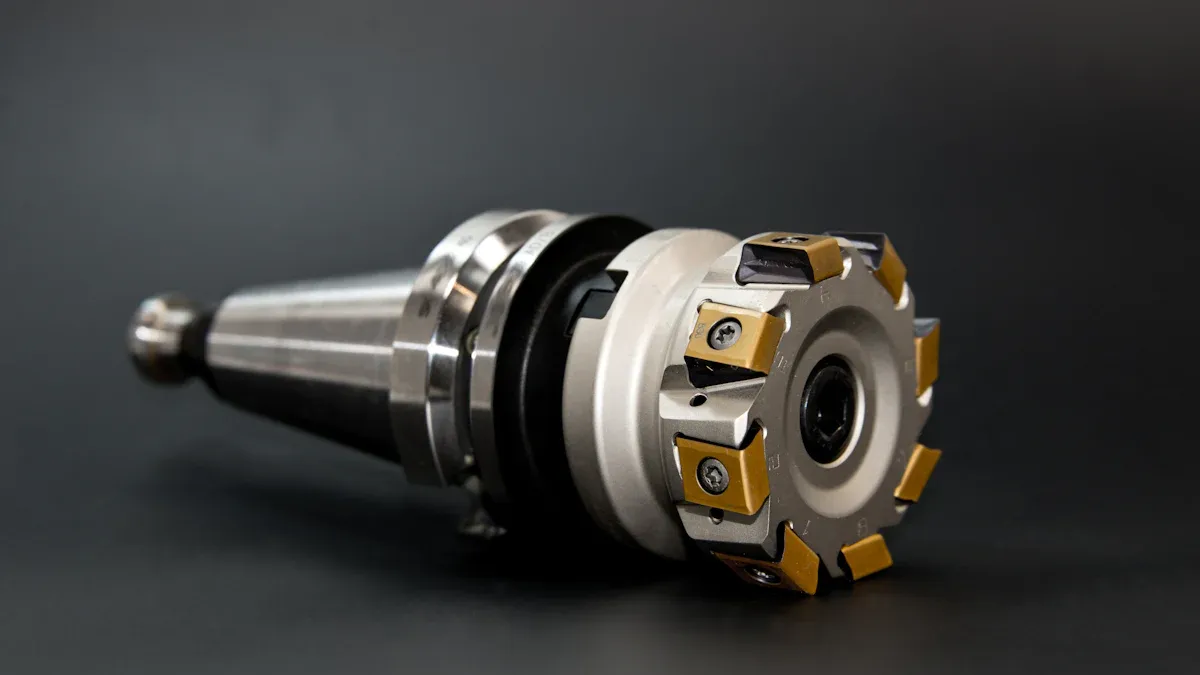
Effective maintenance of a CNC Turning Center requires specific tools and supplies. These items help operators perform daily tasks efficiently. They ensure the machine operates at peak performance.
Cleaning Brushes and Scrapers
Cleaning brushes and scrapers are fundamental tools for daily machine upkeep. Operators use these tools to remove chips, debris, and dried coolant from machine surfaces. A brush helps remove sharp debris from surfaces and hands during CNC machining center maintenance. Operators also utilize brushes and vacuum systems to thoroughly clean chips and debris from way cover tracks and chip removal channels. This prevents accumulation that can impede machine movement or damage precision components.
Absorbent Wipes and Rags
High-quality absorbent wipes and rags are essential for cleaning up spills and wiping down machine surfaces. Operators need materials that absorb liquids effectively without leaving residue. Ideal wipes feature a 105gsm Wood Pulp + PP (Polypropylene) Blend, Hexagonal Embossed Spunlace Nonwoven material. These wipes are low linting, typically less than 2mg lint per 100 wipes, and non-pilling, meaning they do not shed fibers after scrubbing. They offer heavy-oil absorbency, capable of absorbing 5.2 times their weight in SAE 5W-30 motor oil. They are also chemical-resistant, safe for motor oil, coolant, and degreasers. Operators use them for dual purposes: dry for dusting or polishing, and wet for degreasing or heavy oil cleaning. Such specialized wipes safely clean control panels and tool changers without causing errors due to lint. They also minimize rework by preventing equipment malfunctions from fiber buildup, such as sensor clogs or circuit board damage.
Coolant Refractometer
A coolant refractometer is a crucial instrument for maintaining coolant quality. This device measures the refractive index of a liquid to determine its concentration and purity. For coolant, operators compare the refractive index reading with a concentration chart from the manufacturer to find the percentage. To test coolant, operators follow a simple procedure:
- Extract coolant with a dropper.
- Place 2-3 drops on the refractometer’s prism and secure the cover plate.
- Ensure no dry spots or air bubbles.
- The line on the scale indicates the coolant’s concentration.
- After testing, wipe the lens dry and store the instrument.
The position of the line on the refractometer’s scale directly corresponds to the coolant’s concentration. If the line on the refractometer’s scale appears fuzzy or uneven, it suggests the presence of contaminants like tramp oil, spindle oil, hydraulic oil, or way oil in the coolant. In such cases, a wheel or belt skimmer should remove the oil, followed by another refractometer reading to confirm optimal concentration levels.
Appropriate Lubricants and Coolants
Selecting the correct lubricants and coolants is vital for a CNC Turning Center. These fluids directly impact machine performance, tool life, and part quality. Different machining operations and materials require specific fluid types.
Operators often choose from several coolant categories:
- Water-Soluble (Emulsion) Coolants: These coolants consist of oil and water emulsions, typically 5% to 10% oil in water. They include emulsifiers, corrosion inhibitors, and biocides. They offer high heat dissipation and cost-effectiveness. They suit high-volume general machining, milling, and turning on ferrous and non-ferrous metals.
- Synthetic (Chemical) Coolants: These are water-based with synthetic additives and little to no mineral oil. They provide superior cooling capacity and cleaner operation. They work well for high-speed milling and grinding, especially with aluminum or light steel.
- Semi-Synthetic Coolants: These fluids blend synthetic chemicals with a modest percentage of mineral oil (e.g., 5-30%). They offer a versatile balance of lubrication and cooling. Job shops handling mixed materials find them ideal.
- Straight Oil (Neat Oil): This type is 100% oil, without added water. It provides excellent lubricity and high surface finish quality. Operators use straight oils for heavy-duty machining, deep hole drilling, tapping, or broaching in tough materials.
| Coolant Type | Main Goal |
|---|---|
| Synthetic or semi-synthetic | High-speed machining |
| Straight oils or emulsions | Heavy-duty cutting (steel, titanium) |
| Water-soluble fluids | Precision machining |
| High-pressure synthetic fluids | Chip evacuation |
| Vegetable-based oils | Environmental concerns |
Special additives, such as chlorinated or sulfurized compounds, also play a role. These extreme pressure (EP) additives prevent metal friction welding. They improve chip evacuation during hard machining of materials like Titanium or Inconel.
Personal Protective Equipment (PPE)
Operators must wear appropriate Personal Protective Equipment (PPE) when working with a CNC Turning Center. PPE protects against potential hazards like flying chips, coolant splashes, and loud noises. Safety is paramount in any machining environment.
Essential PPE includes:
- Safety Glasses or Face Shields: These protect eyes from flying debris and coolant.
- Gloves: Operators wear cut-resistant gloves to handle sharp tools and workpieces. They avoid loose-fitting gloves near rotating machinery.
- Hearing Protection: Earplugs or earmuffs reduce noise exposure, preventing hearing damage.
- Safety Shoes: Steel-toed safety shoes protect feet from falling objects and heavy equipment.
- Protective Clothing: Long-sleeved shirts and pants protect skin from chips and coolant. Operators avoid loose clothing that could get caught in moving parts.
Always ensure PPE is in good condition and fits properly. Regularly inspect PPE for damage and replace it as needed.
Best Practices for Daily CNC Turning Center Care
Consistent Monitoring of Lubrication Levels
Operators must consistently monitor lubrication levels. This practice ensures all moving parts receive adequate oil. Regular checks of reservoirs prevent premature wear on critical components. Automatic lubrication systems also require daily verification. Operators confirm these systems function correctly. Proper lubrication extends machine life and maintains operational precision.
Regular Inspection of Coolant for Contamination
Regular inspection of coolant for contamination is crucial. Contaminated coolant poses significant risks to both operators and machine performance. Operators can develop skin problems like irritation, rashes, and dermatitis from exposure. Certain additives, bacteria, and fungi in metalworking fluids link to serious health issues. These include various cancers (skin, lung, bladder) and lung diseases (asthma, bronchitis). Cobalt leaching from tools into coolant causes dermatitis and respiratory distress. This also affects tool performance and wastewater disposal.
Operational issues arise from contaminants. Chip sludge and swarf buildup clog impellers, reducing flow and causing pump failure. Hard tap water introduces minerals, leading to scaling, deposits, and premature coolant breakdown. Overconcentration results in sticky residues and tool fouling. Mixing different coolant brands or fluids destabilizes emulsions. Poor filtration accelerates tool edge wear and micro-chipping. Bacteria cause rancid odors, film, and foaming. Tramp oil further promotes bacterial growth. Sludge buildup can cause pumps to overheat or seize.
Daily Cleaning of the Coolant Disposal Tray
Operators should perform daily cleaning of the coolant disposal tray. This simple habit prevents the accumulation of chips and sludge. Buildup in the tray can lead to blockages and reduced coolant flow. Regular cleaning ensures the coolant system functions efficiently. It also helps maintain coolant quality by removing debris before it can recirculate.
Prompt Attention to Minor Issues
Operators must address minor issues promptly. Small problems often escalate into significant failures if left uncorrected. A slight change in machine sound, a subtle vibration, or a small coolant leak might seem insignificant. However, these are early warning signs. Ignoring them can lead to increased wear on components. It can also reduce machining precision. This often results in higher energy consumption. Ultimately, it creates the potential for catastrophic failures.
For example, a faint grinding noise could indicate a failing bearing. A minor coolant drip might signal a seal problem. A slight deviation in chip formation suggests tool wear or incorrect cutting parameters. Operators who know their machine’s normal operation can detect these subtle changes. Their familiarity allows them to identify issues before they become critical.
Addressing these minor discrepancies immediately offers several benefits. It prevents costly repairs. It minimizes unexpected downtime. This ensures production schedules remain on track. Prompt action also maintains the consistent quality of machined parts. It extends the overall lifespan of the CNC Turning Center. Furthermore, it enhances operator safety by preventing sudden machine malfunctions. A proactive approach saves money and ensures continuous, efficient operation. Waiting to fix a problem almost always makes it worse.
The Impact of Neglecting Daily CNC Turning Center Maintenance
Increased Wear and Tear on Components
Neglecting daily maintenance significantly accelerates wear and tear on a CNC Turning Center’s components. This oversight leads to several critical problems. Lack of lubrication, for instance, intensifies friction. This causes overheating and mechanical failures. Such failures threaten worker safety and can even void warranties. Skipping routine maintenance drastically shortens machinery lifespan. This results in costly breakdowns. Minor failures escalate into major issues when operators neglect preventive maintenance. This requires expensive replacements and causes production delays. Uncleaned CNC routers, for example, are 40% more likely to experience wear and tear than clean machines. Dust and debris cause this friction. This leads to costly and untimely repairs. Uncleaned CNC routers also have a lifespan 30% shorter than clean machines. This demands more frequent and financially burdensome replacements.
Reduced Machining Precision
Without proper maintenance, machines cannot operate at peak precision. This directly leads to an increase in errors, greater material waste, and the production of lower quality parts. Neglecting calibration checks directly compromises accuracy and precision. Lack of regular cleaning allows dust and debris to accumulate. This affects machine operation. Insufficient lubrication leads to increased friction and wear on moving parts. This impacts performance. Neglecting comprehensive care, including precision calibration and real-time monitoring, prevents machines from operating within their intended parameters. This causes a decline in performance. It also prevents the machine from meeting high-quality standards for manufactured products. Without proper upkeep, CNC machines will not perform with precision. This results in lower quality parts and increased waste.
Higher Energy Consumption
Neglected maintenance also leads to higher energy consumption. When components experience increased wear and tear, they do not operate as efficiently. For example, excessive friction from inadequate lubrication forces motors to work harder. This draws more power. Misaligned parts or accumulated debris also create resistance. The machine expends more energy to overcome this resistance. This translates directly into higher electricity bills. An inefficiently running machine consumes more power than a well-maintained one. This increases operational costs unnecessarily.
Potential for Catastrophic Failures
Neglecting daily maintenance significantly increases the risk of catastrophic machine failures. These severe breakdowns often occur suddenly. They cause extensive damage to the machine itself. Such failures also pose serious safety hazards to operators. For instance, a neglected lubrication system can cause spindle bearings to seize. This event destroys the spindle. Unchecked vibrations can lead to component fatigue and fracture. Electrical system failures, if ignored, can cause fires or power surges.
These catastrophic events halt production completely. They require expensive, long-term repairs or even machine replacement. The financial impact includes substantial lost production time. It also involves high repair costs and potential legal liabilities. Such failures undermine operational stability and erode trust. They can severely disrupt an entire manufacturing schedule. A sudden breakdown of a CNC Turning Center can bring an entire production line to a standstill. This results in missed deadlines and financial penalties. Regular, diligent maintenance prevents these worst-case scenarios. It ensures the machine operates safely and reliably. Proactive care safeguards both equipment and personnel.
Implementing these daily maintenance procedures represents a significant investment. It directly enhances the reliability and operational efficiency of your CNC Turning Center. Consistent adherence to these vital habits unlocks peak performance. It also minimizes costly disruptions. This proactive approach ensures your machine operates at its best for many productive years.
FAQ
What is the primary benefit of daily CNC turning center maintenance?
Daily maintenance ensures optimal machine performance and prevents costly downtime. It helps maintain part quality and extends the machine’s operational lifespan. Operators achieve consistent production and avoid unexpected interruptions.
What are the consequences of neglecting daily maintenance on a CNC turning center?
Neglecting daily maintenance leads to increased wear on components. It reduces machining precision and increases energy consumption. This can also result in catastrophic machine failures, causing significant production delays and expensive repairs.
How frequently should operators check coolant levels and concentration?
Operators should check coolant levels and concentration daily before each shift. This ensures proper cooling and lubrication during machining. Regular checks prevent tool wear and maintain part quality. A refractometer helps verify concentration accurately.
What personal protective equipment (PPE) is essential for CNC turning center operators?
Essential PPE includes safety glasses or face shields to protect eyes. Operators wear cut-resistant gloves for handling tools. Hearing protection, such as earplugs or earmuffs, is crucial. Safety shoes and protective clothing also safeguard operators from hazards.
Post time: Dec-14-2025