


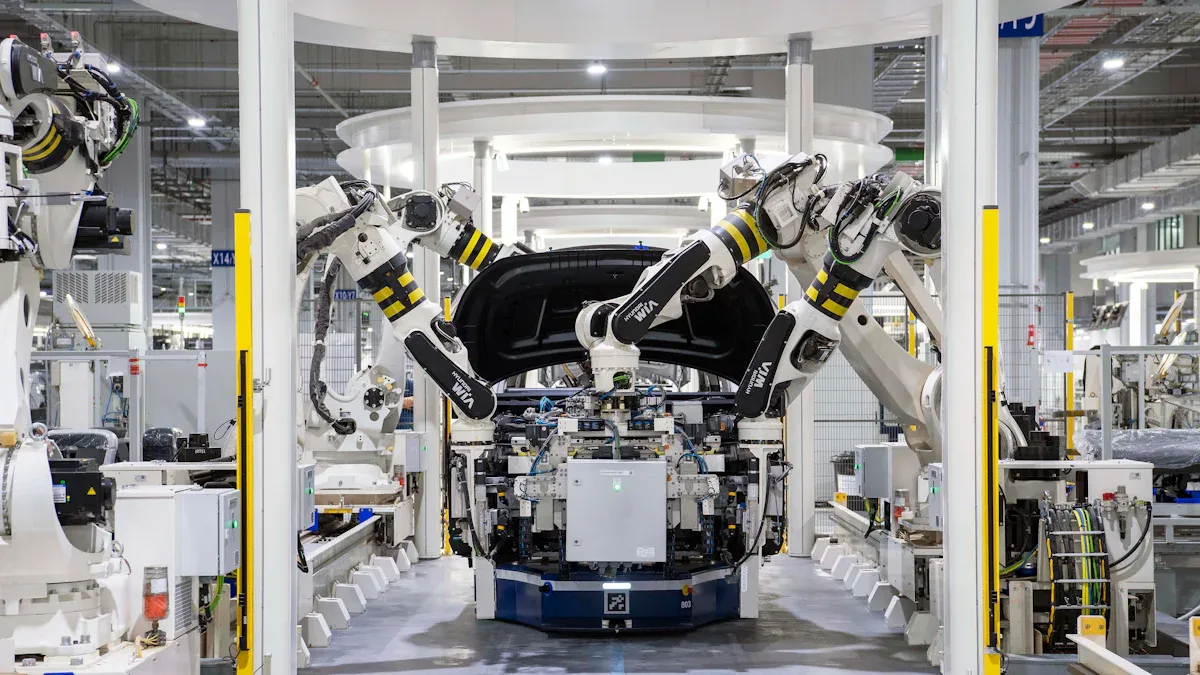
CNC machining centers play a vital role in modern manufacturing, enabling precision and efficiency across various industries, including industrial CNC machining applications. Recent advancements have reshaped the landscape, introducing innovations like real-time monitoring and multi-axis machining. These technologies enhance productivity and reduce downtime, making them essential for sectors such as aerospace CNC machining and mold and tooling machining. Additionally, the use of CNC machines in automotive is on the rise, reflecting the industry’s need for high-quality components. By 2026, industrial CNC machining applications are expected to expand significantly, driven by the growing demand for automation, precision engineering machines, and CNC for heavy machinery.
Key Takeaways
- CNC machining centers are essential for precision and efficiency in manufacturing, especially in industries like aerospace and automotive.
- AI integration in CNC machining enhances productivity by optimizing operations and reducing cycle times, leading to cost savings.
- Hybrid manufacturing techniques combine additive and subtractive processes, improving material usage and design flexibility.
- Sustainability practices in CNC machining reduce waste and operational costs, benefiting both the environment and businesses.
- Customization capabilities of CNC machining allow for rapid prototyping and tailored solutions, meeting specific customer demands across various sectors.
AI Integration in CNC Machining
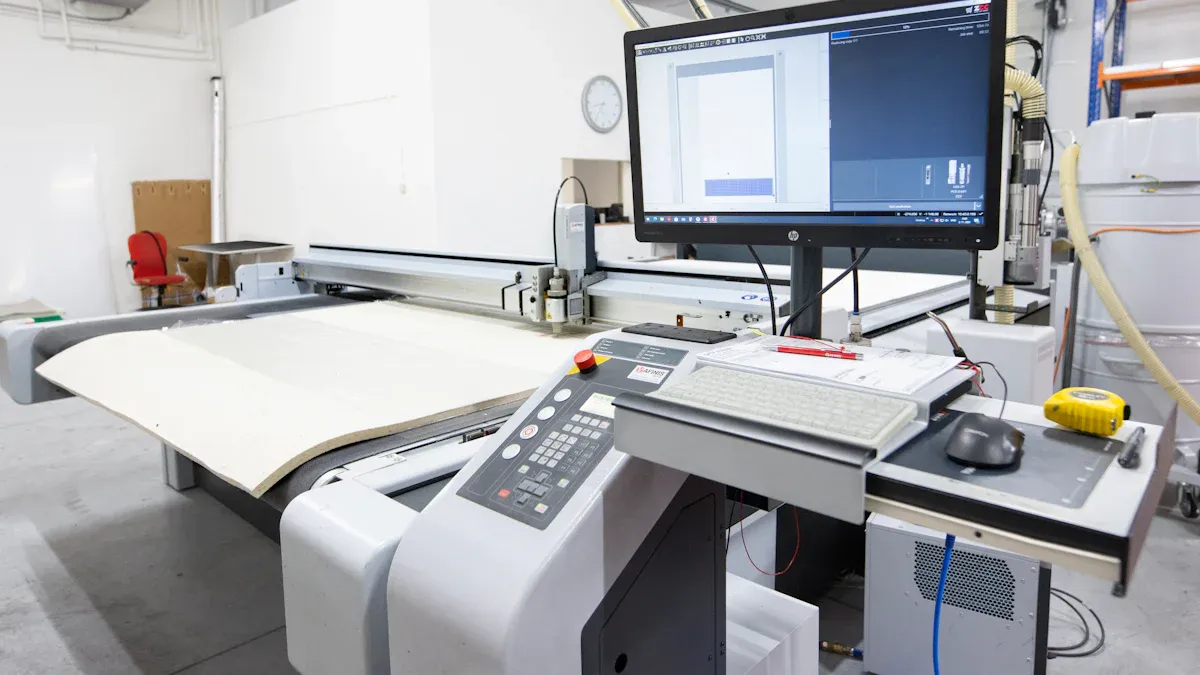
Artificial intelligence (AI) is transforming CNC machining centers, enhancing their capabilities and efficiency. By 2026, AI integration will become a cornerstone of industrial CNC machining applications. This technology allows machines to optimize their operations autonomously, leading to significant improvements in productivity and quality.
AI enables self-optimization of CNC machines through advanced data analysis. It adjusts cutting speeds and tool paths, which reduces cycle times. This optimization results in more efficient machining processes. Additionally, AI automates complex machining tasks, allowing for rapid adjustments to production parameters. This flexibility enhances overall productivity and reduces the need for human intervention.
Key benefits of AI integration in CNC machining include:
- Enhanced Precision: AI predicts equipment failures and monitors processes in real-time, ensuring high-quality components.
- Improved Efficiency: AI optimizes tool paths and enables adaptive machining, reducing cycle times and increasing productivity.
- Cost Reduction: AI minimizes labor costs and material waste, enhancing overall production savings.
- Enhanced Decision-Making: AI provides data-driven insights and predictive analytics for better resource allocation and planning.
- Streamlined Programming: AI automates CNC programming and simplifies user interfaces, reducing setup times and training needs.
AI technologies currently leading the way in CNC machining centers include:
| AI Technology | Description |
|---|---|
| AI-Assisted Design and Manufacturing Optimization | Revolutionizes assembly design by predicting relationships, streamlining processes, and minimizing manual adjustments. |
| Enhanced Data Analysis and Predictive Maintenance | Analyzes data in real-time, enabling predictive maintenance and optimizing supply chain management. |
| Economic and Productivity Gains | Improves efficiency and cost-effectiveness through real-time data analysis and immediate performance adjustments. |
Moreover, AI significantly impacts quality control in CNC machining applications. Automated systems enhance precision and reduce defect rates. They provide real-time monitoring, which minimizes human error. For instance, AI systems can alert operators to potential equipment issues by monitoring defect rates. If a machine’s defect detection exceeds normal levels, it indicates a need for maintenance, thus preventing further quality degradation.
Despite the numerous advantages, challenges remain in implementing AI in CNC machining. High initial investment costs can deter small and medium-sized workshops from adopting automation. Integration complexity requires expertise in synchronizing various systems, which can lead to operational disruptions if not managed correctly. Additionally, workforce skill gaps necessitate training for operators and programmers to effectively manage these automated systems.
Hybrid Manufacturing Techniques
Hybrid manufacturing techniques are revolutionizing CNC machining centers by combining additive and subtractive processes. This integration enhances production efficiency and expands design possibilities. By 2026, these techniques will play a crucial role in various industries, particularly in automotive and healthcare.
Several common hybrid manufacturing techniques are gaining traction:
| Technique | Description |
|---|---|
| Directed Energy Deposition and Mechanical Machining | Combines additive manufacturing (DED) with subtractive machining (milling or turning) to create parts with a smooth finish. |
| Hybrid 3D Printing | Utilizes DED technology to perform multiple operations like laser metal deposition and subtractive machining in one machine. |
| CNC Multitasking Machines | Capable of performing multiple machining operations automatically, improving efficiency and accuracy in manufacturing processes. |
These hybrid techniques offer several advantages over traditional CNC machining. They significantly reduce material waste by allowing manufacturers to use only the necessary material. This cost and material efficiency leads to more sustainable production practices. Additionally, hybrid methods enhance mechanical properties by combining the design freedom of additive manufacturing with the strength of traditional machining.
Precision and surface finish also improve with hybrid techniques. CNC machining ensures tight tolerances and high-quality surface finishes, which are essential for applications in critical sectors.
The automotive and healthcare sectors are leading the adoption of these innovative techniques. The hybrid additive manufacturing machines market is projected to grow significantly, reaching a value of $5.45 billion by 2030, with a compound annual growth rate of 18.1%. This growth reflects the increasing demand for advanced manufacturing solutions in these industries.
Sustainability Practices
Sustainability practices in CNC machining are essential for reducing environmental impact and achieving long-term success. By 2026, the focus on sustainability will intensify as industries strive to minimize waste and enhance operational efficiency. Companies can adopt several effective practices to promote sustainability in their operations:
- Smart Technologies: Implementing predictive maintenance and real-time monitoring enhances efficiency and reduces waste.
- Lean Manufacturing: Focusing on process optimization and inventory management minimizes waste and improves productivity.
- Alternative Coolants: Using biodegradable coolants lowers environmental impact.
- Renewable Energy Sources: Integrating solar and wind power reduces reliance on non-renewable energy.
- Recycling Strategies: Systematic recycling of metal scraps preserves resources and reduces greenhouse gas emissions.
These practices not only contribute positively to the environment but also lead to significant cost savings. For instance, a manufacturer reported a 30% reduction in energy costs after upgrading to energy-efficient CNC machines. Automation and optimized processes further enhance energy efficiency, allowing manufacturers to lower their carbon footprint and reduce electricity costs.
The adoption of sustainable practices impacts overall operational costs positively. The following table summarizes how these practices can lead to cost savings:
| Evidence Description | Impact on Costs |
|---|---|
| Adopting CNC machining improves resource utilization and reduces waste. | Lowers production costs. |
| Less material waste leads to savings on purchasing costs and energy bills. | Increases operational efficiency. |
| Sustainable CNC manufacturing reduces waste and conserves energy. | Lowers overall operational costs. |
| Using sustainable CNC methods cuts waste and saves resources. | Benefits both the environment and business. |
| Buying energy-saving machines reduces power bills and pollution. | Decreases operational expenses. |
Leading certifications for sustainable CNC machining operations include ISO 9001 for quality management and ISO 14001 for environmental management. These standards help ensure that companies maintain high levels of efficiency while adhering to environmental regulations.
Advanced Materials Processing
CNC machining centers are increasingly adept at processing advanced materials, which include composites and superalloys. By 2026, these materials will dominate various industries due to their superior properties. For instance, Belotti leads the way in designing machines that effectively handle fully cured thermoset and thermoplastic composites. These materials allow for the creation of complex structures that outperform traditional metals.
The processing of advanced materials involves several techniques, such as injection molding and autoclave methods. These techniques enable manufacturers to produce structural composites that offer enhanced performance. Multi-function CNC machining combines various fabrication capabilities, ensuring high precision and speed essential for these advanced materials.
To effectively process composites and superalloys, CNC machining centers require specialized tools. These tools often consist of super-hard materials like Polycrystalline Diamond (PCD) and Cubic Boron Nitride (CBN). PCD tools excel in machining abrasive composites, while CBN tools are ideal for hardened steels and superalloys due to their hardness and heat resistance.
Tip: Specific tool geometries and advanced coatings are crucial for optimal performance. Sharp, positive rake angles are recommended for composites to minimize delamination.
A robust machine structure is vital for maintaining stability during machining. Increased spindle rigidity enhances the natural frequency of the spindle-tool-workpiece system, leading to improved accuracy and extended tool life.
The market for advanced materials processing with CNC machining centers is expected to grow significantly. By 2025, the market size is projected to reach $71.6 billion, with a compound annual growth rate (CAGR) of 8.13%. This growth reflects the increasing demand for advanced manufacturing solutions.
| Year | Market Size (in Billion USD) | CAGR (%) |
|---|---|---|
| 2021 | 52.376 | N/A |
| 2025 | 71.6 | 8.13 |
| 2033 | 133.808 | 8.13 |
As industries continue to embrace advanced materials, CNC machining centers will play a pivotal role in shaping the future of manufacturing.
Automation and Robotics
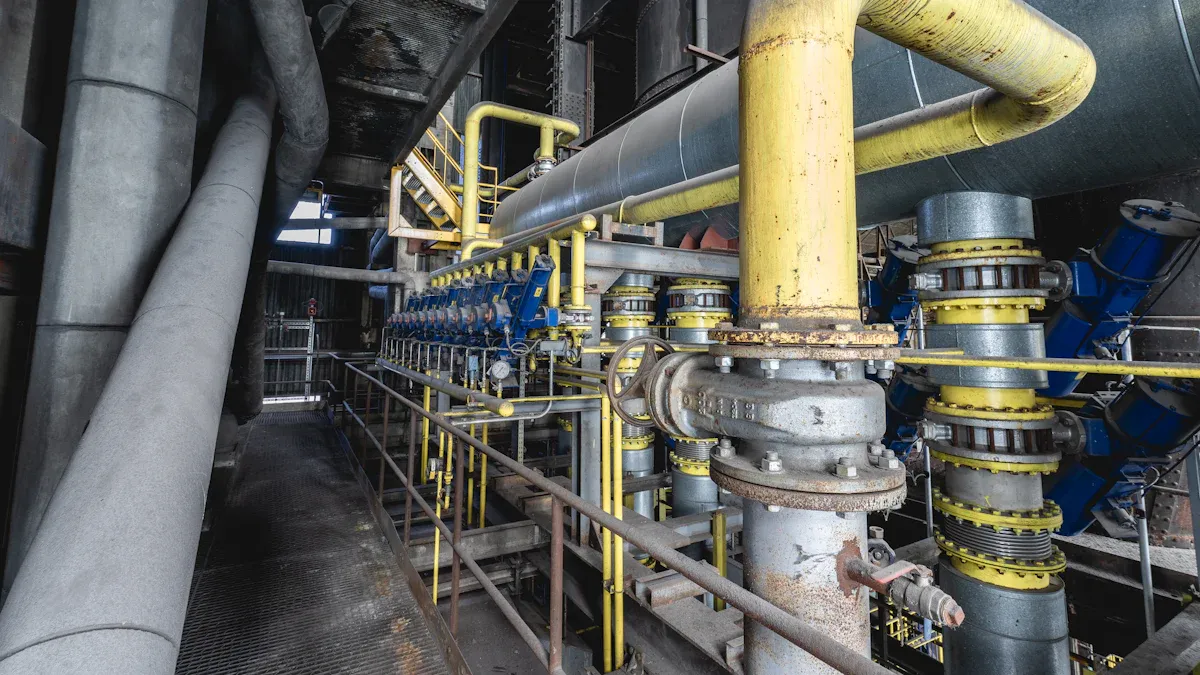
Automation and robotics are transforming CNC machining centers, enhancing efficiency and productivity. By 2026, these technologies will play a pivotal role in modern manufacturing processes. Robotics integration is essential for achieving full automation in CNC machining. It automates tasks such as machine tending, which significantly reduces manual labor. This shift leads to improved throughput and product quality due to the precision robots offer in handling parts.
Several key technologies drive automation in CNC machining centers:
- Computerized Control Systems: These systems manage CNC machine tools, including motion and loop control.
- Adaptive Control Systems: They adjust machining parameters in real-time based on sensor feedback, ensuring optimal performance.
- Programmable Logic Controllers (PLCs): PLCs manage machine functions and workflows, streamlining operations.
Modern CNC robots utilize advanced sensors and artificial intelligence (AI) to enhance functionality. Vision systems enable robots to adapt to variations in part orientation autonomously. Furthermore, integration with the Internet of Things (IoT) allows for seamless communication between machines in smart factories.
The benefits of integrating robotics into CNC machining operations are substantial. Automation minimizes downtime and enhances throughput by automating the loading and unloading processes, which traditionally required manual intervention. This leads to:
- Increased productivity and reduced labor costs.
- Continuous operation, resulting in higher machine utilization.
- The ability for workers to focus on higher-value tasks, as robots handle repetitive duties.
Despite the advantages, challenges remain. Limited communication capabilities between devices can hinder integration efforts. However, as technology advances, these obstacles will likely diminish, paving the way for more sophisticated automation solutions in CNC machining.
Customization and Personalization
Customization and personalization are becoming essential in CNC machining centers. By 2026, these capabilities will significantly impact various industries, allowing manufacturers to meet specific customer demands. CNC machining enables rapid prototyping, which is crucial for testing innovative ideas before full-scale production. This technology allows for quick production of customized parts, catering to the unique requirements of sectors like automotive and aerospace.
Several industries benefit from CNC machining’s customization capabilities:
- Aerospace Industry: Produces parts with strict tolerances and high precision, enhancing performance and safety.
- Automotive Manufacturing: Enables prototype design and customization for limited-edition cars.
- Medical Device Production: Tailors devices to specific patient needs, improving treatment effectiveness.
- Electronics Industry: Customizes precision parts for devices, driving innovation.
- Raw Material Processing: Produces custom-shaped parts for specific applications.
- Mold Manufacturing: Customizes molds for improved efficiency and quality.
- Agriculture: Creates custom equipment to enhance production efficiency.
- Consumer Goods Manufacturing: Meets demand for personalized products like jewelry and home goods.
- Construction and Decoration: Produces custom architectural components.
CNC machining also supports faster product development cycles, enhancing the ability to meet market needs. The technology provides high precision, essential in aerospace, where minor deviations can lead to failures. The repeatability of CNC machining ensures uniform production, maintaining high-quality standards necessary for mass manufacturing.
The CNC Machined Products Market was valued at USD 67.47 Billion in 2023 and is projected to reach USD 92.75 Billion by the end of 2032, growing at a CAGR of 3.60% during the forecast period. This growth reflects the increasing demand for customized solutions across various sectors.
CNC machining centers will continue to evolve, driven by advancements in technology and sustainability practices. By 2026, key applications will include:
- AI integration for enhanced efficiency.
- Hybrid manufacturing techniques for improved material usage.
- Automation and robotics to streamline operations.
- Customization to meet specific market demands.
The focus on renewable energy and eco-friendly materials will shape the industry’s future. Companies will increasingly adopt energy-efficient machinery and recycling practices to minimize waste. As CNC machining centers adapt to these changes, they will play a crucial role in the evolution of industrial CNC machining applications, ensuring competitiveness and sustainability in the manufacturing landscape.
FAQ
What is a CNC machining center?
A CNC machining center is a computer-controlled machine that automates the machining process. It performs various operations, such as milling, drilling, and turning, with high precision and efficiency.
How does AI improve CNC machining?
AI enhances CNC machining by optimizing operations, predicting equipment failures, and automating complex tasks. This leads to improved productivity, reduced cycle times, and higher quality components.
What are hybrid manufacturing techniques?
Hybrid manufacturing techniques combine additive and subtractive processes. These methods allow for greater design flexibility, reduced material waste, and improved mechanical properties in produced parts.
Why is sustainability important in CNC machining?
Sustainability in CNC machining reduces environmental impact and enhances operational efficiency. Implementing eco-friendly practices can lead to cost savings and compliance with environmental regulations.
What industries benefit from CNC machining?
CNC machining serves various industries, including aerospace, automotive, healthcare, electronics, and consumer goods. Its precision and customization capabilities meet the specific demands of these sectors.
Post time: Jan-28-2026