


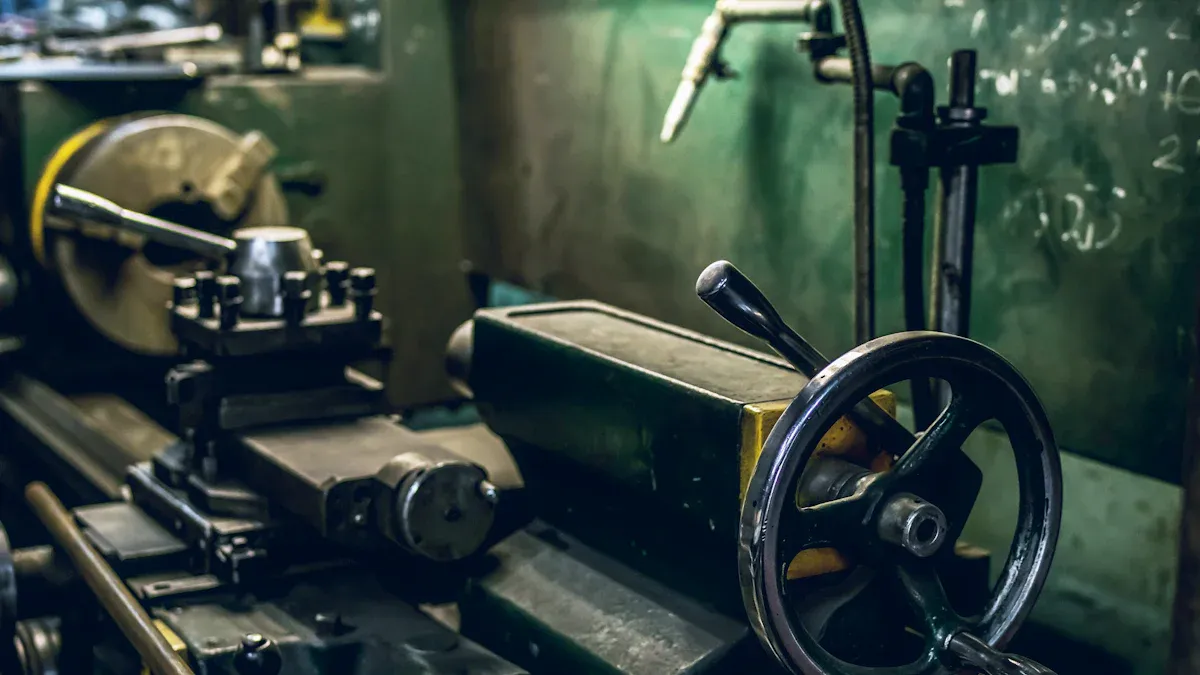
Selecting the right CNC lathe machine is crucial for achieving optimal performance in machining operations. A well-chosen machine enhances productivity and precision in CNC turning tasks. Key CNC lathe features to consider include maintenance accessibility, weight, and safety features, which significantly impact machine reliability and operational efficiency. For instance, a high-speed CNC lathe or a CNC lathe with automatic tool changer can streamline processes, while robust safety features ensure a secure working environment. Understanding these critical elements helps manufacturers make informed decisions that align with their production needs, especially when looking for the best CNC lathe machine 2026.
Key Takeaways
- Consider spindle speed when selecting a CNC lathe. Higher speeds improve surface finish and accuracy but can cause imperfections if too high.
- Evaluate torque ratings to ensure the machine can handle the materials you plan to work with. Higher torque is essential for machining harder materials.
- Check the maximum workpiece size and turning length to ensure the lathe can accommodate your production needs. This prevents setup complications and boosts productivity.
- Prioritize safety features like emergency stops and safety guards. These mechanisms protect operators and enhance the overall safety of machining operations.
- Invest in machines with durable materials and high rigidity. This ensures long-term performance and precision, reducing the likelihood of breakdowns.
Key Specifications of CNC Lathe Machines
Spindle Speed
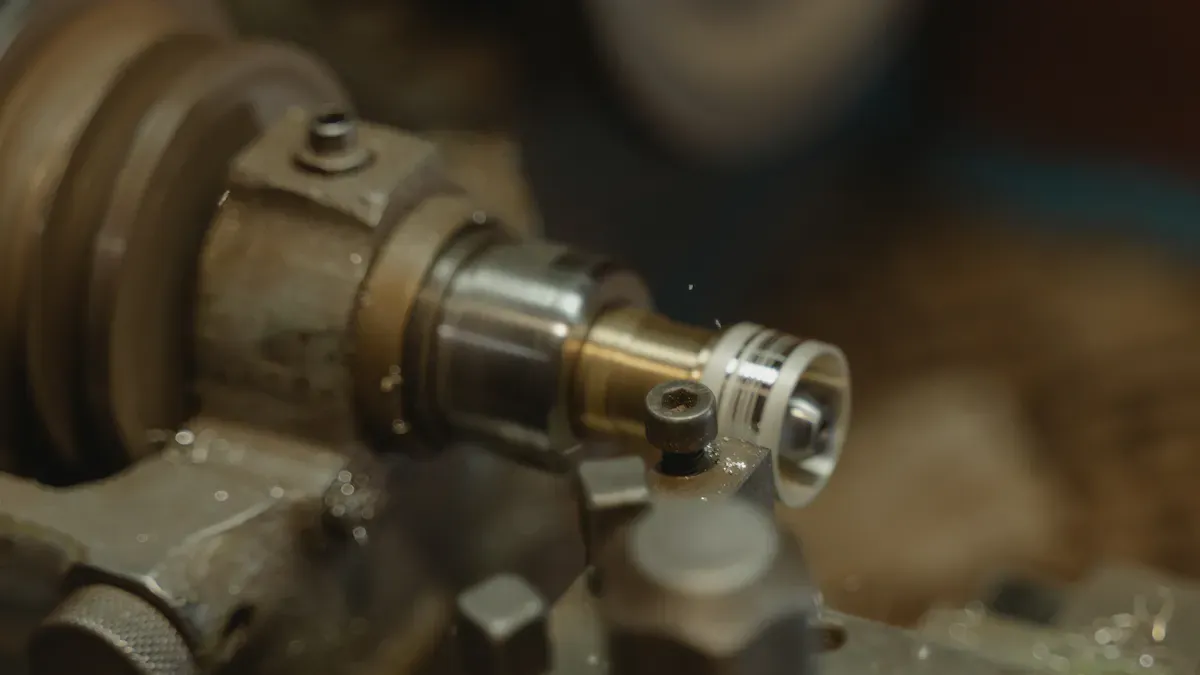
Spindle speed plays a vital role in the performance of a CNC lathe machine. It directly affects machining accuracy and productivity. Higher spindle speeds can lead to improved surface finishes and dimensional accuracy. However, excessive speeds may introduce imperfections. The following table summarizes the effects of spindle speed on various factors:
| Factor | Effect of Spindle Speed |
|---|---|
| Surface Finish | Higher speeds lead to smoother finishes; too high can cause imperfections. |
| Edge Quality | Optimal speeds prevent burrs and fraying, improving edge quality. |
| Dimensional Accuracy | Higher speeds reduce tool deflection, enhancing accuracy but risk chatter. |
| Tool Life | Proper speeds minimize wear; too high or too low can lead to premature failure. |
| Material Removal Rate | Higher speeds increase removal rates, but other factors also influence MRR. |
| Chip Evacuation | Higher speeds produce smaller chips, aiding in effective evacuation and reducing buildup. |
Torque Ratings
Torque ratings are crucial for determining the cutting force a CNC lathe machine can exert. A higher torque rating allows for effective machining of harder materials. The following table outlines standard torque ratings for different spindle types commonly used in industrial applications:
| Spindle Type | Torque Rating (ft-lbs) | RPM |
|---|---|---|
| Normal Spindle | 60 | 1500 |
| High Torque Option | 120 | 375 |
Understanding torque ratings helps manufacturers select the right CNC lathe machine for their specific needs. Higher torque is essential for machining harder materials, while softer materials require less torque. Material properties such as hardness and strength significantly affect torque requirements during CNC turning.
Maximum Workpiece Size
The maximum workpiece size supported by a CNC lathe machine is a critical specification that impacts its versatility. Key dimensions include:
- Swing Over Bed: This represents the maximum diameter of the workpiece that can be mounted on the lathe.
- Swing Over Cross Slide: This indicates the maximum diameter that can be machined considering the cross slide’s position.
- Swing Over Gap: This allows for larger diameter workpieces but limits the length and cutting angles.
A larger workpiece capacity enables the production of bigger jigs and components, essential for various manufacturing applications. Selecting the right CNC lathe based on maximum workpiece size ensures it can handle the required tasks efficiently. This selection process boosts overall productivity in manufacturing settings.
Maximum Turning Length
The maximum turning length of a CNC lathe machine significantly influences its operational capabilities. This specification determines the longest workpiece that the machine can handle in a single setup. Smaller models typically offer turning lengths ranging from 100 to 200 millimeters, making them suitable for small-scale projects. In contrast, larger industrial-grade lathes can accommodate turning lengths of 3 to 5 meters or more. These machines are ideal for heavy-duty applications in industries such as aerospace and automotive.
Tip: When selecting a CNC lathe machine, consider the maximum turning length based on the types of parts you plan to produce.
The implications of maximum turning length extend beyond mere dimensions. If a workpiece exceeds this length, operators must machine it in sections. This approach increases setup time and complexity, potentially affecting overall productivity. Additionally, longer workpieces require extra support to mitigate issues like vibration and deflection during machining.
Maximum Swing
The maximum swing of a CNC lathe machine is another critical specification that affects its versatility. This measurement indicates the largest diameter of a workpiece that can be mounted on the lathe without interference. If the swing is insufficient, the workpiece may not mount correctly, leading to operational issues.
- The maximum swing diameter determines whether a workpiece can fit on the lathe.
- Insufficient swing capacity can cause clearance problems during rotation, especially for irregularly shaped parts.
- Ensuring adequate swing capacity is essential for maintaining machining accuracy and efficiency.
Selecting a CNC lathe machine with the appropriate maximum swing ensures that operators can handle a variety of workpieces effectively. This capability enhances the machine’s adaptability to different manufacturing needs.
Control Systems in CNC Lathe Machines
CNC Software Compatibility
CNC software compatibility is essential for optimizing the performance of CNC lathe machines. A compatible software system enhances workflow efficiency and ensures seamless integration with various machining processes. The following table outlines common software types compatible with modern CNC lathe machines:
| Software Type | Examples |
|---|---|
| Post-Processing Software | CAM packages |
| CAD/CAM Integrated Software | Fusion 360, BobCAD-CAM |
| Quality Control Software | Hexagon PC-DMIS, Quality Control Systems |
| Customizable Control Software | LinuxCNC, Mach3/Mach4 |
| CNC Simulation Software | VERICUT, Machining Simulation Software |
| DNC Software | Predator DNC, CIMCO DNC |
Using compatible software increases accuracy and repeatability in machining operations. It automates tool paths, reducing human error and variations in production. Additionally, it streamlines programming and automates complex operations, significantly reducing machining time.
User Interface Design
User interface design plays a crucial role in enhancing operator productivity on CNC lathe machines. A well-designed interface allows operators to navigate the system easily, making adjustments and monitoring operations more efficient. The following table highlights key elements of user interface design that improve productivity:
| Key Element | Description |
|---|---|
| Intuitive Interfaces | Allows operators to easily adjust settings, reducing setup time and frustration. |
| Compatibility with CAD/CAM Software | Enhances motion and accuracy of operations, providing easy access to programming features. |
| Adaptive Control Algorithms | Tailors machine operations to specific applications, improving efficiency in production processes. |
Contemporary CNC lathes feature intuitive graphical user interfaces (GUIs) that simplify intricate tasks. These user-friendly platforms enhance accessibility for operators, allowing them to focus on production rather than troubleshooting.
Programming Flexibility
Programming flexibility is vital for customizing machining processes in CNC lathe machines. Modern CNC programming software supports various materials and machine types, enabling manufacturers to produce both simple and complex components efficiently. G-code and M-code are the primary programming languages used in CNC operations. G-code directs the machine’s movements, while M-code manages operational tasks such as activating the spindle and coolant systems. This duality allows for precise machining operations, making both codes essential for effective and flexible operation.
The adaptability of programming software means manufacturers can customize machining processes without significant reprogramming. This flexibility enhances production efficiency and allows for quick adjustments to meet changing demands.
Build Quality of CNC Lathe Machines
Material Durability
Material durability significantly impacts the lifespan of CNC lathe machines. High-quality materials enhance stability and reduce vibrations, which are essential for precision tasks. Machines constructed with durable materials exhibit better vibration damping characteristics. This stability not only improves operational precision but also extends tool life, thereby enhancing the overall lifespan of the machine. Manufacturers should prioritize machines made from robust materials to ensure long-term performance and reliability.
Machine Rigidity
Machine rigidity is crucial for maintaining accuracy during machining operations. Key design features that enhance rigidity include:
- Heavy machine bed
- Sturdy column
- Robust spindle assembly
- Precise guideways
- Internal bracing in the column
These features provide exceptional structural stiffness. A rigid machine structure resists bending and deformation under cutting forces. This resistance ensures precise tool path adherence, which is vital for maintaining dimensional accuracy. Additionally, high rigidity minimizes vibrations that can lead to chatter, negatively impacting surface finish and tool life. A well-designed frame engineered for stability enhances machining performance, especially when working with hard materials.
Precision Engineering
Precision engineering standards play a vital role in the manufacturing of CNC lathe machines. Adhering to these standards ensures high-quality production. Common certifications include:
| Certification | Description |
|---|---|
| ISO 9001 | Foundational certification for quality management, ensuring documented processes for manufacturing. |
| AS9100 | Specialized certification for aerospace, indicating compliance with stringent industry requirements. |
| IATF 16949 | Standard for automotive, ensuring traceability and quality in automotive manufacturing. |
These certifications reflect a commitment to dimensional accuracy, surface finish, and material integrity. By following these standards, manufacturers can produce CNC lathe machines that meet the rigorous demands of various industries.
Structural Integrity
Structural integrity is a critical factor in the performance and longevity of CNC lathe machines. It refers to the machine’s ability to withstand operational stresses without failure. A robust design ensures that the machine can handle various machining tasks effectively.
Several aspects contribute to the structural integrity of CNC lathe machines:
- Material Selection: High-quality materials, such as cast iron, enhance the machine’s strength. These materials can endure high pressures, temperatures, and mechanical stress.
- Design Features: A well-engineered frame and bed provide stability. Features like heavy-duty construction and reinforced components minimize vibrations during operation.
- Precision Manufacturing: CNC machining processes improve the structural integrity of parts. The precision in cutting and finishing preserves the inherent strength of the metal, leading to durable components.
These improvements in structural integrity significantly contribute to the long-term reliability of CNC lathe machines. When machines maintain their structural integrity, they perform consistently over time, reducing the likelihood of breakdowns and costly repairs.
Tip: When evaluating CNC lathe machines, consider the structural integrity as a key indicator of performance. A machine built with strong materials and precise engineering will likely offer better reliability and efficiency in the long run.
Safety Features of CNC Lathe Machines
Emergency Stop Mechanisms
Emergency stop mechanisms are essential safety features in CNC lathe machines. These systems allow operators to halt machine operations immediately in case of an emergency. Typically, these mechanisms include a prominent red button located within easy reach of the operator. When pressed, the machine ceases all functions, preventing potential injuries or damage. Regular testing of these emergency stops ensures they function correctly and provide reliable safety.
Safety Guards and Shields
Safety guards and shields protect operators from moving parts and flying debris during machining operations. These barriers create a physical separation between the operator and the machine, significantly reducing the risk of accidents. Many CNC lathe machines come equipped with adjustable guards that can accommodate various workpiece sizes. Operators should always ensure that these guards are in place before starting any machining task.
Tip: Regularly inspect safety guards for wear and tear. Replace any damaged components to maintain optimal safety standards.
Overload Protection
Overload protection systems prevent the CNC lathe machine from operating beyond its capacity. These systems monitor the machine’s performance and automatically shut it down if it detects excessive load or strain. This feature not only protects the machine from damage but also enhances operator safety. By preventing overload situations, manufacturers can avoid costly repairs and downtime.
Incorporating these safety features into CNC lathe machines is vital for maintaining a secure working environment. Operators should prioritize understanding and utilizing these mechanisms to ensure safe and efficient machining processes.
Advanced Technology in CNC Lathe Machines
Automation Capabilities
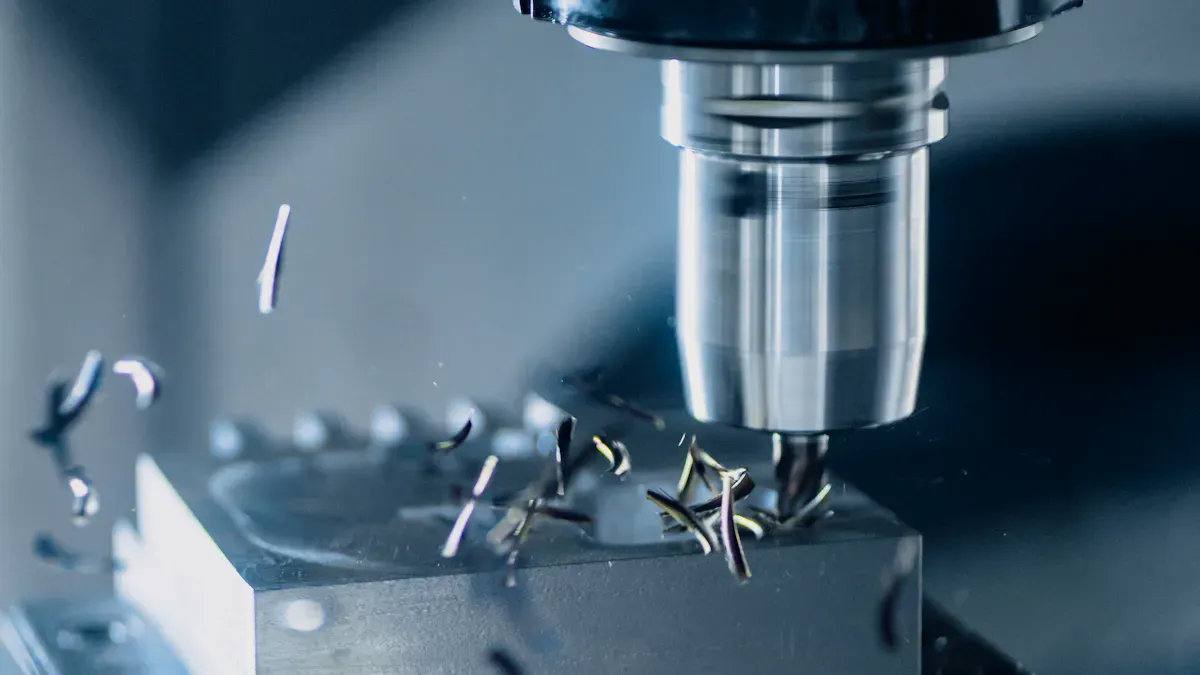
Automation capabilities significantly enhance the efficiency of CNC lathe machines. These features streamline operations and reduce manual intervention. Key automation features include:
| Feature | Description |
|---|---|
| Automatic Tool Changers | Enable swift and automated transitions between cutting tools, reducing downtime during machining. |
| Programmable Coolant Systems | Offer precise control over coolant flow rates and spray patterns, enhancing tool life and machining quality. |
Additionally, robots can remove finished parts from the lathe for washing and drying. Laser profilers analyze parts for quality control, signaling the CNC lathe to stop if specifications are not met. These advancements lead to improved productivity and reduced operational costs.
Integration with CAD/CAM
Integration with CAD/CAM software is crucial for maintaining efficiency in CNC lathe machine operations. This technology streamlines workflows and enhances productivity. Key benefits of CAD/CAM integration include:
- CAD/CAM integrated software combines CAD and CAM functionalities for a streamlined workflow.
- Examples of such integration include Fusion 360 and BobCAD-CAM.
- It enhances programming and control of machining tasks.
- Integration improves interoperability between different systems, leading to more efficient operations.
Regular evaluation of CAD/CAM software is necessary to meet the evolving demands of machining needs. Up-to-date software is essential for achieving high productivity levels.
Real-time Monitoring Systems
Real-time monitoring systems play a vital role in optimizing CNC lathe machine performance. These systems provide several benefits:
- They enhance operational efficiency by minimizing unplanned downtime.
- Operators can identify potential issues before they escalate.
- Consistent production quality is maintained.
- Key metrics can be tracked for informed adjustments, leading to improved productivity.
By implementing real-time monitoring, manufacturers can ensure their CNC lathe machines operate at peak performance, ultimately leading to better outcomes in production.
Cost Analysis of CNC Lathe Machines
Initial Investment
The initial investment in a CNC lathe machine can vary significantly based on several factors. These factors include the machine’s specifications, brand reputation, and additional features. Generally, buyers can expect to pay anywhere from $10,000 to over $100,000 for a CNC lathe. Here are some key considerations:
- Type of Machine: Entry-level machines cost less than high-end models.
- Features: Advanced features like automation and high-speed capabilities increase costs.
- Brand: Established brands often charge a premium for their reliability and support.
Maintenance Costs
Maintenance costs are crucial for long-term budgeting. Regular maintenance ensures optimal performance and extends the machine’s lifespan. Typical maintenance expenses include:
- Routine Inspections: Regular checks can prevent costly repairs.
- Replacement Parts: Over time, parts like bearings and belts may need replacement.
- Lubrication and Cleaning: Keeping the machine clean and well-lubricated reduces wear and tear.
Tip: Allocate about 5-10% of the initial investment annually for maintenance costs. This proactive approach can save money in the long run.
Return on Investment
Calculating the return on investment (ROI) for a CNC lathe machine involves assessing its impact on productivity and profitability. A well-chosen machine can lead to:
- Increased Production Rates: Faster machining times boost output.
- Improved Quality: Higher precision reduces waste and rework.
- Enhanced Flexibility: The ability to handle various materials and designs attracts more clients.
To calculate ROI, use the formula:
ROI = (Net Profit / Cost of Investment) x 100
A positive ROI indicates that the CNC lathe machine contributes to the company’s financial success.
By understanding these cost factors, manufacturers can make informed decisions that align with their operational goals.
Choosing the right CNC lathe machine is vital for achieving optimal performance in machining tasks. Key features to consider include spindle speed, torque ratings, and safety mechanisms. Additionally, evaluating build quality and control systems ensures that the machine meets specific production needs.
Making an informed decision based on these essential features enhances productivity and precision. Manufacturers should prioritize these aspects to maximize their investment and operational efficiency.
FAQ
What is a CNC lathe machine?
A CNC lathe machine automates the turning process, allowing for precise shaping of materials. It uses computer numerical control (CNC) to execute programmed commands, enhancing accuracy and efficiency in machining operations.
How do I choose the right CNC lathe machine?
Consider key specifications such as spindle speed, torque ratings, and maximum workpiece size. Evaluate your production needs and budget to select a machine that aligns with your operational goals.
What maintenance is required for CNC lathe machines?
Regular maintenance includes routine inspections, lubrication, and cleaning. Operators should replace worn parts promptly to ensure optimal performance and extend the machine’s lifespan.
Can CNC lathe machines handle different materials?
Yes, CNC lathe machines can work with various materials, including metals, plastics, and composites. The choice of material depends on the machine’s specifications and tooling capabilities.
What safety features should I look for in a CNC lathe machine?
Key safety features include emergency stop mechanisms, safety guards, and overload protection systems. These features help prevent accidents and ensure a secure working environment for operators.
Post time: Mar-14-2026