


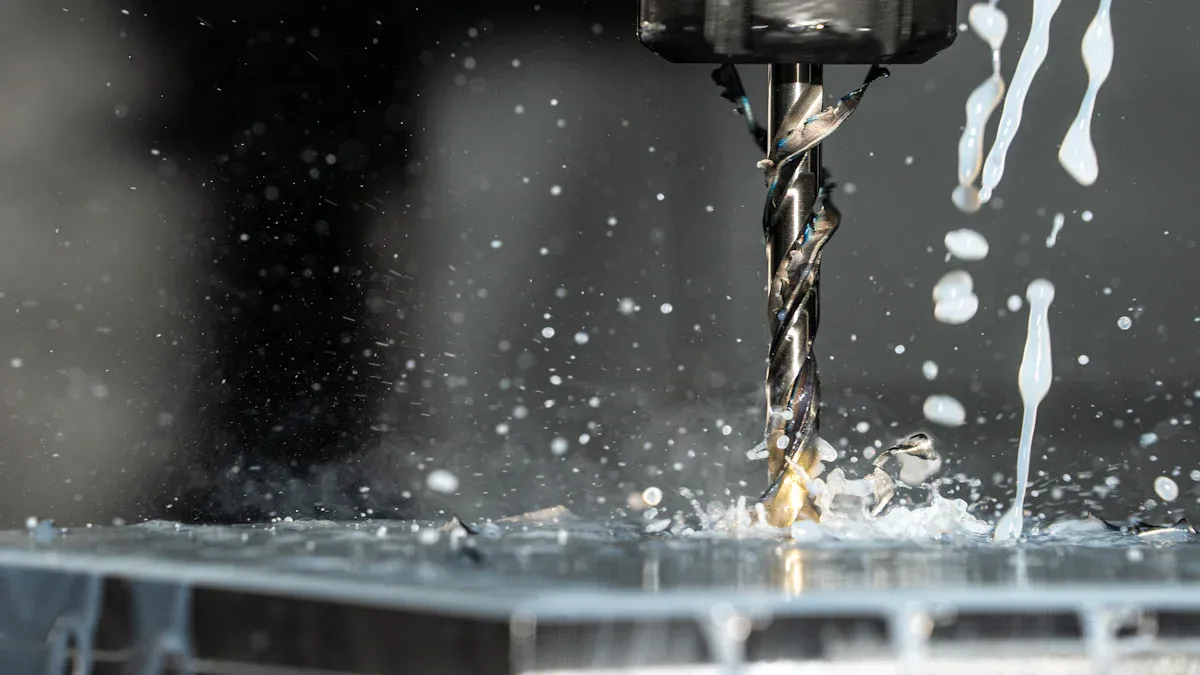
CNC machining centers, including specialized models like the CNC turning center, play a crucial role in high-speed production across various industries. Leading models dominate the market, with the CNC machining centers segment accounting for 61.6% of global revenue in 2023. Speed is vital for enhancing manufacturing efficiency, as high-speed machining improves mold accuracy and reduces costs. Recent advancements such as the 5-axis CNC machining center and automation technologies significantly enhance the capabilities of special purpose machines. These innovations allow high efficiency manufacturers to optimize processes and achieve greater productivity.
Key Takeaways
- CNC machining centers are essential for high-speed production, accounting for over 61% of global revenue in 2023.
- Precision and accuracy are crucial, especially in industries like aerospace and medical, where tolerances can be as tight as ±0.005 mm.
- Automation in CNC machining reduces labor costs and increases productivity by allowing machines to operate continuously without human fatigue.
- Software integration enhances CNC machining by improving monitoring, optimizing performance, and increasing precision, leading to better production outcomes.
- CNC machining centers are widely used in aerospace, automotive, medical, and electronics industries, providing high-quality components with speed and efficiency.
Key Features of CNC Machining Centers
Precision and Accuracy
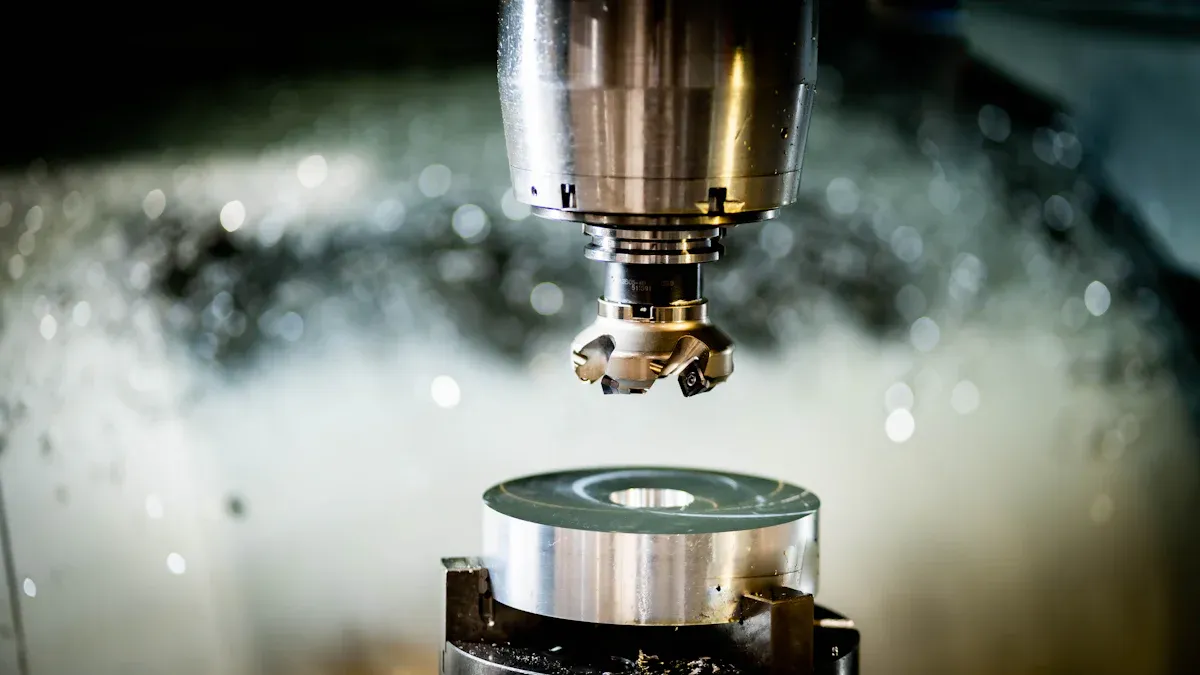
Precision and accuracy are paramount in CNC machining centers. Manufacturers often require components to meet stringent tolerances. For instance, high-precision applications in aerospace and medical fields typically demand tolerances as tight as ±0.005–0.01 mm. This level of precision can significantly impact cycle times, often resulting in slower production rates of 40–60% compared to standard machining.
| Application | Typical Tolerance | Impact on Cycle Time |
|---|---|---|
| Structural parts | ±0.1–0.2 mm | Standard speed |
| Precision components | ±0.025–0.05 mm | 20–30% slower |
| High-precision (aerospace/medical) | ±0.005–0.01 mm | 40–60% slower |
Achieving such precision ensures that parts fit together seamlessly, enhancing the reliability of the final product.
Speed and Feed Rates
Speed and feed rates are critical factors that influence the efficiency of CNC machining centers. Leading models can achieve maximum feed and rapid rates exceeding 2,300 inches per minute (ipm), with cutting feeds surpassing 300 ipm, especially when machining materials like aluminum.
- The balance between feed rates and cutting speeds is crucial for optimizing tool performance and production efficiency.
- Higher cutting speeds can improve surface finishes but may increase tool wear due to heat generation.
- Feed rates affect chip removal quality and overall tool performance; higher rates can accelerate production but may risk tool damage.
Proper optimization of these parameters enhances tool durability and machining outcomes, ultimately leading to increased productivity.
Tooling and Automation
Advanced tooling and automation features significantly enhance the capabilities of CNC machining centers. Many top models integrate in-house core components, including spindles and CNC systems, which improve compatibility and performance.
| Feature | Description |
|---|---|
| In-house core components | Development and manufacturing of spindle, CNC system, and drive unit for improved compatibility. |
| Dedicated CNC systems | Exclusive control system (OSP) with intuitive user interface and intelligent assistance functions. |
| Thermal compensation | Automatically detects and compensates for thermal deformation, ensuring high precision. |
| IIoT integration | Supports remote monitoring, data management, and enables unmanned production and predictive maintenance. |
Automation in CNC machining centers also contributes to reduced labor costs and increased throughput. Automated systems handle repetitive tasks seamlessly, eliminating delays caused by human fatigue. Predictive maintenance tools monitor machine health, preventing breakdowns and costly repairs.
| Benefit | Description |
|---|---|
| Increased Productivity | Automation enables faster production cycles through continuous operation, completing jobs in less time. |
| Reduced Labor Costs | Requires less manual intervention, allowing operators to oversee multiple machines simultaneously. |
| Minimized Human Error | Automation reduces the likelihood of errors, ensuring consistent quality and reducing rework. |
These features collectively enhance the efficiency and reliability of CNC machining centers, making them indispensable in high-speed production environments.
Software Integration
Software integration plays a vital role in the efficiency and effectiveness of CNC machining centers. It connects hardware and software, streamlining processes and enhancing overall performance. By utilizing advanced software solutions, manufacturers can significantly improve their production capabilities.
Key benefits of software integration include:
- Enhanced Monitoring: Effective monitoring of industrial equipment boosts productivity. Real-time data analysis helps identify issues before they escalate, reducing downtime.
- Optimized Performance: Integration improves Overall Equipment Effectiveness (OEE) by optimizing machine performance. This leads to better utilization of resources and increased output.
- Increased Precision: Software integration enhances precision in machining processes. It reduces inefficiencies, ensuring that components meet stringent quality standards.
Several software platforms are widely used for CNC machining center integration. These include:
- FreeCAD: A free and open-source CAD software popular among hobbyists and small machining shops, featuring a Path Workbench for G-code generation.
- Mach3/Mach4: Affordable control software known for its compatibility with various CNC machines, supporting multiple operations.
- LinuxCNC: A customizable, open-source control software that supports complex setups and multi-axis machining.
- G-Wizard Editor: A G-code editor and simulator that aids in visualizing toolpaths and debugging G-code.
- NC Viewer: A free web-based G-code simulator for visualizing toolpaths without installation.
- Mastercam: The most popular CAM software, providing extensive tools for toolpath generation and simulation, widely used in precision industries.
These software solutions not only facilitate the programming of CNC machining centers but also enhance their operational capabilities. By integrating these tools, manufacturers can achieve higher levels of automation and efficiency, ultimately leading to improved production outcomes.
Applications of CNC Machining Centers in Various Industries
Aerospace Manufacturing
CNC machining centers play a vital role in aerospace manufacturing. They produce components that require high precision and complex geometries. The use of 5-axis machining is particularly beneficial in this sector. This technology allows movement along the X, Y, and Z axes, along with rotational movements around the X-axis (A-axis) and Y-axis (B-axis). Such capabilities enable manufacturers to create intricate shapes and angles essential for aerospace components.
Key advantages of CNC machining in aerospace include:
- Complex Geometries: CNC machining centers can produce parts with extremely complex designs, reducing the need for multiple setups.
- Increased Accuracy: The precision of CNC machining enhances the quality of aerospace components, ensuring they meet stringent industry standards.
- Material Versatility: These centers can machine high-strength alloys and heat-resistant materials, crucial for aerospace applications.
In addition, adherence to the AS9100 Quality System ensures comprehensive inspection processes. This commitment to quality maintains the highest standards of precision and reliability in aerospace parts.
Automotive Production
The automotive industry heavily relies on CNC machining centers for high-speed production. These machines create critical components such as engine blocks, cylinder heads, and suspension parts. The precision offered by CNC machining is essential for ensuring the reliability and safety of vehicles.
Key applications in automotive production include:
- Engines: CNC machining produces engine components with extraordinary accuracy, which is vital for performance.
- Lighting: Components like headlights can be rapidly prototyped using materials such as PMMA, allowing for quick design adjustments.
- Customization: CNC machining enables the creation of personalized car interiors and components, meeting individual customer preferences.
CNC machining centers contribute to cost savings and innovation in automotive manufacturing through:
| Contribution to Cost Savings and Innovation | Description |
|---|---|
| Enhanced Precision | Provides tight tolerances necessary for high-performance automotive parts. |
| Reduced Lead Times | Automation allows for complex operations in a single setup, expediting production. |
| High-Volume Production Capabilities | Producing large quantities of identical parts minimizes labor costs. |
| Improved Design Flexibility | Allows for the creation of complex designs tailored to specific automotive models. |
| Material Efficiency | Reduces material waste, contributing to sustainability. |
Medical Device Fabrication
CNC machining centers are crucial in the fabrication of medical devices. They produce precision surgical tools, orthopedic implants, and components for diagnostic equipment. The accuracy of CNC machining enhances the quality of medical devices, ensuring they meet strict regulatory standards.
Key applications in medical device fabrication include:
- Surgical Tools: CNC machining produces tools that enhance accuracy during procedures, minimizing errors.
- Orthopedic Implants: Ensures a precise fit for implants, contributing to their long-term stability.
- Diagnostic Equipment: Used in creating components for devices such as CT scanners and MRI machines.
CNC machining utilizes medical-grade materials like titanium alloys and stainless steel. Titanium alloys are favored for their strength and lightweight properties, while stainless steel is essential for durability. Compliance with regulatory standards is critical, and a well-structured Quality Management System (QMS) is necessary for FDA compliance in medical CNC machining.
Electronics and Consumer Goods
CNC machining centers have become essential in the electronics and consumer goods sectors. These machines enable manufacturers to produce high-quality components with precision and speed. The ability to work with both conductive and non-conductive materials allows for the creation of intricate electronic parts without the need for extensive tooling. This capability is particularly beneficial for rapid design iterations using CAD software, which is crucial for meeting tight tolerances.
The following table outlines common applications of CNC machining in the electronics industry:
| Product Area | CNC Application | Benefit |
|---|---|---|
| Smartphones | Unibody aluminum frames and casings | High strength, premium finish, and durability |
| Laptops | MacBook and ultrabook housings | Sleek design with precise tolerances |
| Cameras | Lens housings, camera rings, gimbal parts | Accurate alignment for optical performance |
| Heat Management | Cooling housings for processors and batteries | Efficient thermal regulation prevents overheating |
| Wearables | Smartwatch and fitness tracker casings | Lightweight, durable, and ergonomic design |
| Charging & Connectors | USB housings, connectors, sockets | Reliable connections and consistent fit |
Leading companies leverage CNC machining to enhance their production processes. For instance, Apple utilizes around 40,000 CNC machines daily for iPhone production, achieving an impressive accuracy of 10 microns. Similarly, Samsung employs high-speed Fanuc Robodrill CNC machines for precision in camera housings and smartphone molds. Dell focuses on ultra-thin and strong laptop shells, while Boat & Noise incorporates CNC machining for smartwatch casings and premium audio housings.
CNC machining supports mass production and customization in electronics manufacturing through several key advantages:
- High-volume CNC machining facilitates mass-scale production.
- It ensures high-quality material production.
- This method cuts costs while providing an abundant supply of parts.
Additionally, CNC machining allows for the production of highly precise and complex components. Rapid prototyping becomes possible, enabling manufacturers to test new designs without long-term commitments. This flexibility allows businesses to scale production based on real-time demand, reducing overhead and tooling costs while avoiding long lead times.
Comparison of Top CNC Machining Centers
Mazak Overview
Mazak is renowned for its heavy-duty construction and innovative technology. The brand focuses on compact designs that enhance rigidity and speed. Key features of Mazak CNC machining centers include:
- High-speed spindles
- Quick tool changes
- Advanced automation capabilities
Mazak’s proprietary Mazatrol control system simplifies complex machining tasks, making it user-friendly for operators with varying skill levels. This brand is well-positioned in the market for its reliability and innovation.
| Brand | Construction Quality Description |
|---|---|
| Mazak | Known for heavy-duty construction and innovative technology. |
DMG Mori Overview
DMG Mori stands out for its hybrid machining capabilities and advanced automation. The brand integrates digitalization technologies, enhancing production efficiency. Notable features include:
- Modular automation solutions like WH Flex, which can connect up to nine CNC machines
- Comprehensive turnkey solutions for various machining needs
- Expertise in additive manufacturing, focusing on SLM and DED technologies
DMG Mori’s commitment to precision and engineering excellence positions it as a leader in the CNC machining market.
| Brand | Key Features | Market Positioning |
|---|---|---|
| DMG Mori | Hybrid machining capabilities, ultrasonic cutting, advanced automation | Renowned for precision and engineering excellence |
Haas Overview
Haas CNC machining centers are popular among small to medium-sized businesses due to their affordability and user-friendly design. Key aspects include:
- Economical construction with a focus on reliability
- Intuitive controls that cater to all skill levels
- Dual-spindle models for increased productivity
While Haas machines may require more frequent servicing under heavy use, they remain a reliable choice for high-volume production.
| Feature | Haas CNC Machines | Premium Brands (e.g., Mazak) |
|---|---|---|
| Affordability | Generally affordable for small businesses | Higher cost, aimed at high production |
| Maintenance | Easy and budget-friendly maintenance | More robust but potentially costly repairs |
Haas machines, such as the VF1 model, operate at 8100 RPM, making them versatile for various machining tasks. However, they may not match the performance of premium brands designed for high-volume production.
Performance Metrics and User Feedback
User feedback and performance metrics provide valuable insights into the effectiveness of CNC machining centers. Evaluating brands like Makino and GROB reveals their success in demanding applications, reinforcing trust in their equipment. Users in industries such as medical device manufacturing offer real-world validation of performance and support.
- Operational Capabilities: User reviews highlight the reliability of CNC machining centers across various sectors, including aerospace and automotive.
- Performance Across Industries: Feedback showcases how these machines excel in different applications, demonstrating versatility and adaptability.
- Modifications for Enhancement: Many users implement modifications to improve machine performance, indicating a commitment to maximizing efficiency.
A brand’s reputation serves as a measurable indicator of long-term performance and user satisfaction. Case studies consistently show tolerances within ±0.003 mm, validating performance claims. Conversations with users in critical industries provide insights into reliability and support, further enhancing the credibility of these machines.
Expert Recommendations for CNC Machining Centers
Industry Insights
Experts emphasize several critical factors when recommending CNC machining centers for high-speed production. Quality assurance remains paramount, involving in-process inspections, CMM reports, and material traceability. Additionally, clear lead times with regular updates enhance customer satisfaction. Scalability is also vital, as manufacturers must handle both prototype runs and large-scale production efficiently.
| Factor | Description |
|---|---|
| Quality Assurance | In-process inspection, CMM reports, material traceability. |
| Lead Time | Clear, realistic timelines with updates. |
| Scalability | Ability to handle prototype (1-100) and production runs (1000+). |
Best Practices for Selection
When selecting a CNC machining center, companies should follow these best practices:
- Expertise in Precision Machining: Ensure the company specializes in the required machining capabilities, such as tight tolerances and complex geometries.
- Capabilities Across Materials: Verify proficiency in a range of materials relevant to your production needs.
- Types of CNC Machines They Use: Assess the variety and modernity of machines available to meet your specifications.
- In-House Quality Control (QC) & Inspection: Look for robust quality assurance processes, including certifications and inspection methods.
- Customization & Prototyping Support: Ensure the service can adapt to design changes and support iterative prototyping.
- Turnaround Time & Lead Time Flexibility: Confirm typical lead times and the ability to handle rush jobs.
- Scalability (From Prototypes to Production): Evaluate the company’s capacity to scale production without delays.
- Communication & Support: Ensure clear communication channels with engineers and real-time updates.
- Online Platform & Quoting System: Look for modern platforms that facilitate easy quoting and order management.
Selecting a machining center that prioritizes scalability and adaptability is essential for future-proofing operations. The chosen machine should be able to adjust to changing production needs, allowing for efficient navigation of market shifts.
Future Trends in CNC Machining
The CNC machining industry is poised for significant advancements over the next decade. Key trends include:
- Increased automation of CNC machines and supportive processes.
- Rise of high-mix, low-volume manufacturing.
- Full production control with resource management software and production planning.
- More ‘done-in-one’ machining with multipurpose CNC machines.
- Trends in workforce availability, manufacturing reshoring, and sustainability.
Automation in CNC machining has evolved significantly, moving beyond just high-volume projects to include low-volume work that requires repetitive actions. This trend is expected to continue, with machines becoming capable of handling more complex processes and operating with greater efficiency. Furthermore, the industry is increasingly adopting eco-friendly practices as environmental regulations tighten, making sustainability a vital aspect of future CNC machining developments.
In summary, selecting the right CNC machining center is essential for optimizing production efficiency. Key findings highlight the importance of precision, speed, and automation in enhancing manufacturing capabilities. Tool selection plays a crucial role in machining performance, especially with tough materials. Real-time monitoring aids in early detection of tool wear, preventing defects and downtime. Manufacturers should also focus on optimizing machining parameters to enhance tool life and part quality. By considering unique production requirements, companies can make informed decisions that align with their operational goals.
FAQ
What is a CNC machining center?
A CNC machining center is a computer-controlled machine that automates the machining process. It can perform various operations, such as milling, drilling, and turning, with high precision and speed.
How does automation improve CNC machining?
Automation enhances CNC machining by reducing manual intervention. It increases production speed, minimizes human error, and allows for continuous operation, leading to higher efficiency and lower labor costs.
What industries benefit from CNC machining centers?
CNC machining centers serve multiple industries, including aerospace, automotive, medical device fabrication, and electronics. Each sector relies on precision and speed for manufacturing high-quality components.
What factors should I consider when selecting a CNC machining center?
Consider factors such as precision requirements, material compatibility, automation features, and scalability. Evaluate the machine’s performance metrics and user feedback to ensure it meets your production needs.
How can software integration enhance CNC machining?
Software integration streamlines operations by connecting hardware and software. It improves monitoring, optimizes performance, and enhances precision, ultimately leading to increased productivity and reduced downtime.
Post time: Feb-05-2026