


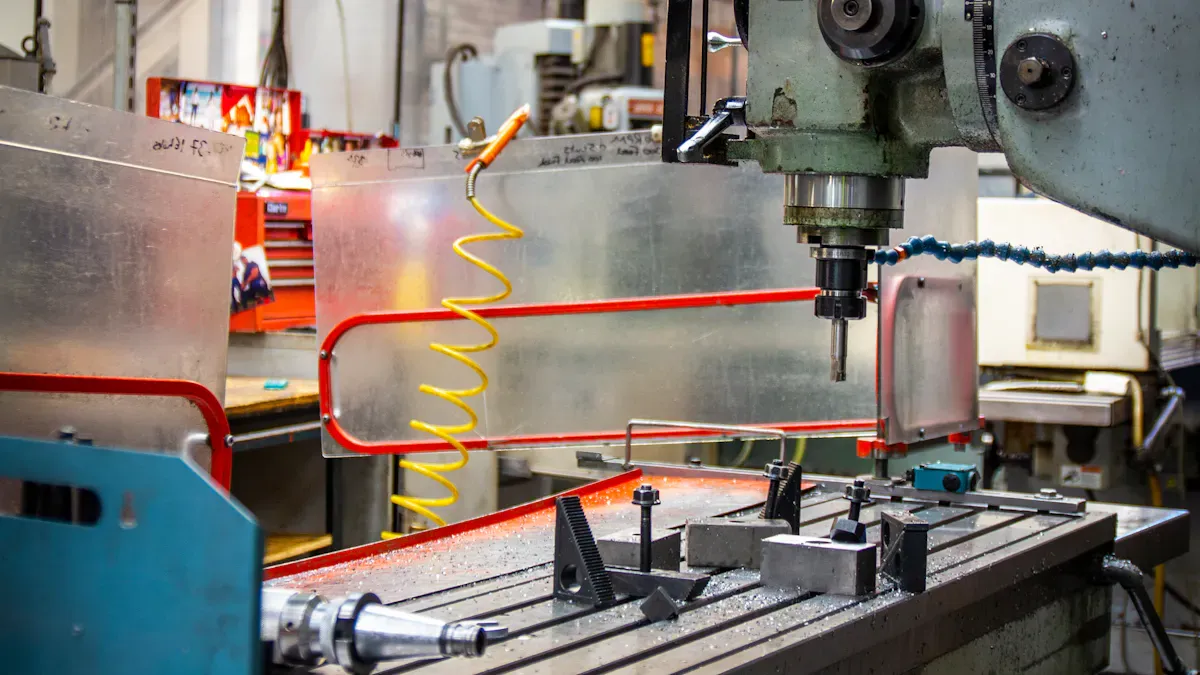
CNC lathes play a vital role in automotive manufacturing. They enable manufacturers to produce components with exceptional precision, making them essential for high-precision machining. This level of accuracy significantly reduces failure rates in automotive parts by ensuring strict adherence to tolerances. When considering how to choose a CNC lathe for the automotive industry, factors such as accuracy, durability, and cost-effectiveness become crucial in making informed decisions. For those looking for the best CNC lathe for high-volume automotive production, it’s important to focus on models specifically designed for engine component machining, as these automotive CNC lathes are tailored to meet the demanding requirements of the industry.
Key Takeaways
- CNC lathes enhance precision in automotive parts manufacturing, significantly reducing failure rates by adhering to strict tolerances.
- When selecting a CNC lathe, prioritize specifications like precision, axis configuration, and material compatibility to meet production needs.
- Regular maintenance of CNC lathes is crucial for optimal performance, helping to extend equipment lifespan and minimize costly downtime.
Understanding CNC Lathes
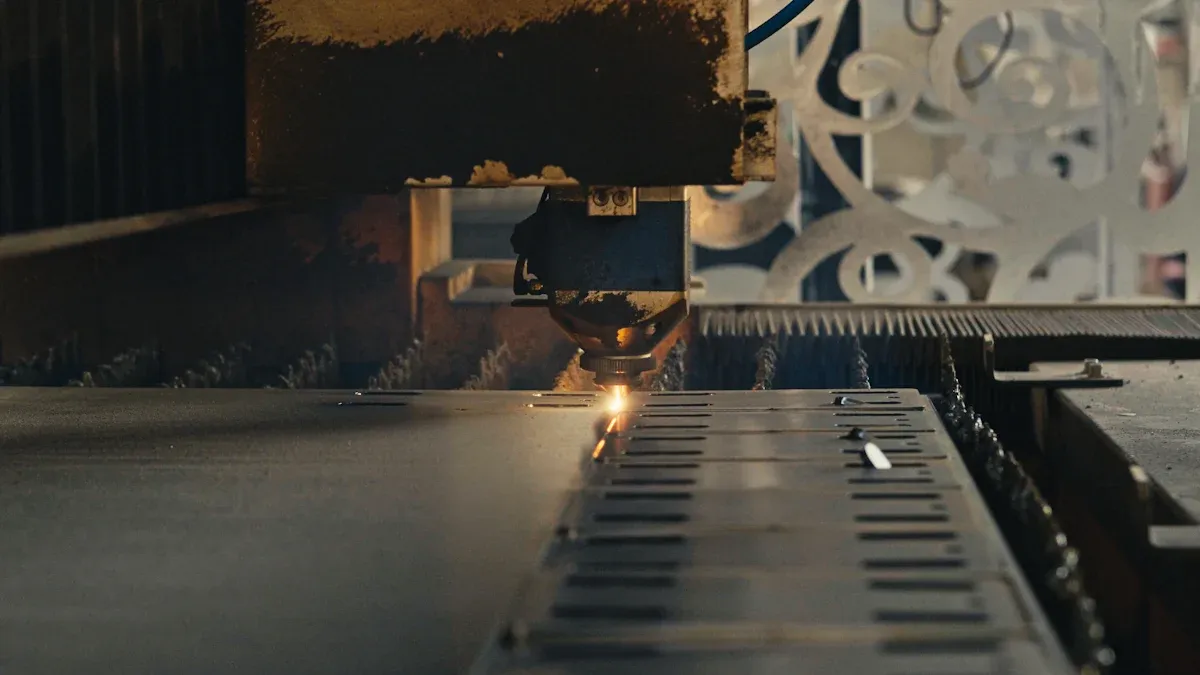
CNC lathes are advanced machines that automate the process of shaping materials. They utilize computer numerical control to enhance precision and efficiency in manufacturing. Understanding the main components of a CNC lathe is essential for recognizing how they contribute to high-precision automotive parts manufacturing.
Key Components of a CNC Lathe
The following table outlines the primary components of a CNC lathe and their contributions to high-precision manufacturing:
| Component | Contribution to High-Precision Manufacturing |
|---|---|
| Headstock | Houses the spindle, allowing for various speeds and settings, crucial for versatility and accommodating different workpiece sizes. |
| Spindle & Chuck | Holds the workpiece securely and allows for speed adjustments based on material, enhancing precision and tool life. |
| Tailstock | Secures the workpiece, preventing deflection and vibration, which is essential for maintaining accuracy during machining. |
| Bed | Provides foundational support, absorbs vibrations, and has precision-machined ways for controlled movement, ensuring accuracy. |
| Tool Turret | Holds various cutting tools, facilitates quick changes, and enhances efficiency and versatility in machining operations. |
Working Principles of CNC Lathes
CNC lathes operate differently from manual lathes. The automation in CNC lathes allows for higher accuracy and efficiency. The following table compares the features of CNC lathes and manual lathes:
| Feature | CNC Lathe | Manual Lathe |
|---|---|---|
| Control Method | Automated via computer numerical control | Manual operation by skilled workers |
| Accuracy | High precision with repeat positioning accuracy of ±0.02 mm | Variable precision depending on operator skill |
| Efficiency | Continuous operation, multi-tool usage, reduced labor costs | Lower efficiency, requires skilled labor for operation |
| Flexibility | Less flexible for personalized work | More flexible for complex hand-crafted work |
CNC lathes increase accuracy, reducing faulty goods. They can operate for extended periods without interruption, enhancing productivity. Additionally, they require fewer operators, leading to decreased labor costs.
Achievable Tolerances
Modern CNC lathes can achieve impressive tolerances, which are critical in automotive applications. The following table illustrates typical tolerances achievable with CNC lathes:
| Tolerance | Application |
|---|---|
| ±0.005 in. (0.13mm) | Standard prototype and production machining |
| ±0.002 in. (0.051 mm) | Greater accuracy machining |
| ±0.0005 in. (0.0127mm) | Reamed holes |
| ±0.002 (0.051mm) | Feature locations on the same side of the part |
Types of CNC Lathes
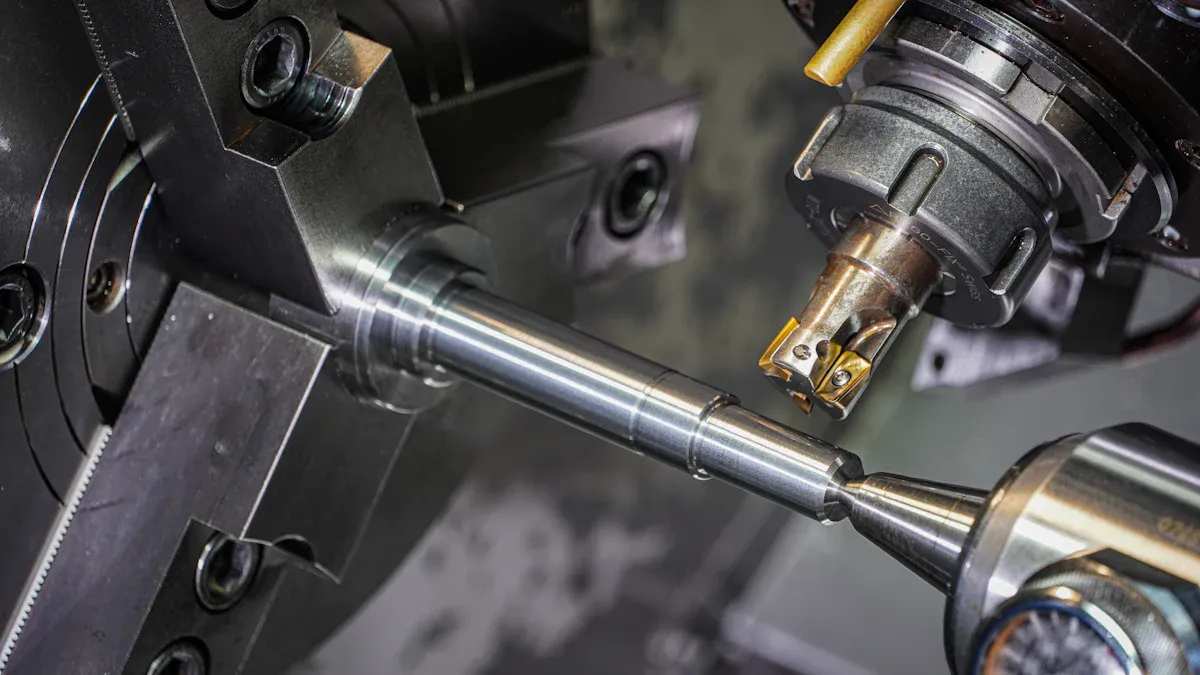
CNC lathes come in various types, each designed to meet specific manufacturing needs. Understanding these types helps manufacturers select the right machine for their operations. Here are the most common types of CNC lathes used in automotive parts manufacturing:
- Horizontal CNC Lathes:
- These machines feature a horizontal spindle orientation. They excel in producing large, heavy parts and provide excellent stability during machining.
- Vertical CNC Lathes:
- Vertical lathes have a vertical spindle orientation. They are ideal for machining large and heavy workpieces, allowing for easier loading and unloading.
- Multi-Axis CNC Lathes:
- These lathes offer additional axes of movement, enabling complex machining operations. They are particularly suitable for producing intricate automotive components.
- Swiss-Type CNC Lathes:
- Swiss lathes are designed for high-precision, small-diameter parts. They provide exceptional accuracy and are commonly used in the production of intricate automotive components.
Each type of CNC lathe offers unique advantages. For instance, multi-axis CNC lathes enhance precision and efficiency. They can handle complex geometries, making them suitable for intricate automotive parts.
The following table summarizes the benefits of CNC lathe machining:
| Benefits | Description |
|---|---|
| Precision | CNC lathe machining ensures high levels of accuracy, meeting tight tolerances in the production of components. |
| Efficiency | Automated processes reduce production time, enabling faster and more streamlined manufacturing. |
| Versatility | Capable of handling a wide range of materials and producing simple and complex parts. |
Choosing the right type of CNC lathe is crucial for achieving high-quality automotive parts. Manufacturers should assess their specific needs and production requirements before making a decision.
Specifications for CNC Lathes
When selecting a CNC lathe for high-precision automotive parts manufacturing, several critical specifications warrant careful consideration. These specifications directly impact the machine’s performance, efficiency, and the quality of the finished components. Here are the key specifications to evaluate:
- Precision and Accuracy:
- Tolerance levels typically range from ±0.0002” to ±0.0005” for high precision. This level of accuracy is essential for producing automotive components that meet stringent quality standards.
- Axis Configuration:
- Recommended configurations include 3-axis and above for complex parts. A five-axis CNC lathe is particularly beneficial in automotive manufacturing, as it allows for intricate machining of components, ensuring proper fit and alignment.
- Size and Capacity:
- Considerations include bar capacity, maximum part length, and tooling capacity. The maximum turning diameter influences the range of automotive parts that can be produced. For instance, lathes with a maximum turning diameter of 500-600 mm can handle larger components like pistons and gears.
- Material Compatibility:
- Ensure the lathe can machine various materials, including aluminum, steel, titanium, and specialized alloys. This versatility is crucial for manufacturers who work with different automotive components.
- Manufacturer Reputation:
- Brands like Haas, Mazak, and DMG Mori are known for their quality and precision. Choosing a reputable manufacturer can significantly impact the reliability and performance of the CNC lathe.
- Cost Considerations:
- CNC lathes vary significantly in price, which can influence the decision based on budget constraints. It is essential to balance cost with the required specifications to ensure optimal performance.
- Software Integration:
- The importance of CAD, CAM, and CNC simulation software cannot be overstated. These tools enhance precision and streamline the manufacturing process, allowing for better planning and execution.
- Advanced Multi-Axis Machines:
- Machines with 4-axis and 5-axis capabilities are essential for creating complex geometries and achieving tight tolerances. This advanced technology is vital for modern automotive manufacturing, where precision is paramount.
Tip: Always assess the specific needs of your manufacturing process before selecting a CNC lathe. Understanding the specifications that align with your production goals will lead to better outcomes.
By carefully evaluating these specifications, manufacturers can select a CNC lathe that meets their high-precision requirements, ultimately enhancing the quality of automotive parts produced.
Key Features of CNC Lathes
CNC lathes offer several advanced features that enhance their capabilities in automotive manufacturing. These features improve efficiency, precision, and safety during operations.
Advanced Features
- Live Tooling:
- This feature allows for complex operations such as milling, drilling, and tapping without removing the workpiece from the lathe.
- Live tooling enhances versatility by enabling tools to move while the workpiece remains stationary.
- Dual Spindles:
- Dual spindles reduce setup times and increase production rates. They allow machining on both ends of a part, facilitating efficient operations.
| Feature | Benefit |
|---|---|
| Live Tooling | Enables complex operations without removing the workpiece from the lathe. |
| Dual Spindles | Increases production rates by allowing machining on both ends of the part. |
Safety Features
Safety is paramount in CNC lathe operations. Key safety features include:
- Lockout/Tagout Procedures: Prevent accidental startups during maintenance.
- Personal Protective Equipment: Essential gear protects operators from potential hazards.
- Understanding Machine Controls: Familiarity with controls ensures safe operation.
| Safety Feature | Description |
|---|---|
| Lockout/Tagout Procedures | Prevents accidental startups during maintenance. |
| Personal Protective Equipment | Protects operators from potential hazards during operation. |
| Understanding Machine Controls | Ensures safe operation and prevents accidents. |
Automation Integration
Automation in CNC lathes significantly impacts productivity. Key benefits include:
- Reduced labor costs and minimized errors enhance overall productivity.
- Continuous operation meets high demands in automotive manufacturing.
- Streamlined workflows contribute to maximizing output and quality.
By incorporating these features, CNC lathes become indispensable tools in high-precision automotive parts manufacturing.
Evaluating CNC Lathe Manufacturers
Choosing the right CNC lathe manufacturer is crucial for ensuring high-quality automotive parts. Evaluating potential suppliers involves several key criteria:
| Criteria | Description |
|---|---|
| Quality Certification | Look for manufacturers with credible quality certificates, especially ISO standards. |
| Experience and Expertise | Evaluate the supplier’s track record in producing high-quality parts for the automotive industry. |
| Machinery and Technology | Assess the technology used by the manufacturer to ensure they can produce sophisticated designs. |
| Lead-Time | Consider the manufacturer’s ability to optimize lead times while maintaining quality. |
| Customer Care Support | Ensure the manufacturer demonstrates clear communication and responsiveness to customer needs. |
| Cost | Compare pricing among manufacturers to establish reasonable costs for services. |
To properly evaluate a CNC lathe machining supplier, one must assess four core areas: their quality certifications, in-depth inspection processes, actual production capacity, and their standards for communication.
Additionally, after-sales support plays a significant role in long-term operational efficiency. Effective support can enhance machine uptime by 15-20%, minimizing financial losses due to downtime. Proactive maintenance strategies can lead to a reduction in long-term operational costs by up to 30%, ensuring machines operate efficiently and reducing unscheduled downtime.
Manufacturers should also consider warranty periods. CNC machine warranties typically last between one to three years, covering defects in materials and workmanship. Understanding these aspects will help manufacturers make informed decisions when selecting a CNC lathe supplier.
Maintenance for CNC Lathes
Regular maintenance of CNC lathes is essential for ensuring optimal performance and longevity in automotive parts manufacturing. Implementing a structured maintenance program can significantly reduce downtime and enhance precision. Below are recommended maintenance practices:
| Maintenance Practice | Description |
|---|---|
| Regular Inspections | Operators should inspect spindles and bearings regularly for signs of wear. |
| Calibration of Tools | Frequent inspections of cutting tools help maintain precise machining. |
| Maintenance Schedule | Creating a daily checklist and planning weekly/monthly inspections helps catch issues early. |
| Document Maintenance Activities | Keeping an accurate inventory of maintenance tasks minimizes downtime and informs future decisions. |
| Utilize Software for Maintenance Management | Implementing tracking software streamlines upkeep and sets alerts for scheduled maintenance. |
| Train Operators on Best Practices | Regular training sessions ensure operators understand maintenance importance and procedures. |
In addition to these practices, operators should also consider the following tips to maintain CNC lathes effectively:
- Verify coolant level and condition.
- Check for leaks from hydraulic or coolant systems.
- Listen for abnormal sounds or vibrations.
- Clean away accumulated metal chips.
- Verify chuck or collet is secure and holding stock properly.
Regular preventive maintenance can reduce CNC machine downtime by up to 30% and extend equipment lifespan by 20%. Maintaining accuracy within 0.0001 inches is crucial for precision manufacturing. By staying on top of maintenance, manufacturers can prevent expensive downtime and precision loss, ensuring efficient production processes.
Tip: Regularly check parts such as tool holders and bearings to prevent wear. This proactive approach enhances production efficiency and minimizes disruptions.
Choosing the right CNC lathe for automotive parts manufacturing involves several key factors:
- Understand specific production needs.
- Evaluate technical specifications.
- Consider long-term operational goals.
- Assess workshop space and infrastructure.
- Research reliable manufacturers for quality support.
By carefully assessing these elements, manufacturers can make informed decisions that lead to reduced labor costs, faster production times, and improved precision. Prioritizing functionality over unnecessary features will enhance overall efficiency and product quality.
Tip: Always align your CNC lathe choice with current industry trends to ensure adaptability and competitiveness.
FAQ
What is the primary benefit of using a CNC lathe in automotive manufacturing?
CNC lathes provide high precision, ensuring that automotive parts meet strict quality standards and reducing failure rates.
How often should CNC lathes undergo maintenance?
Regular maintenance should occur based on usage, typically every few weeks, to ensure optimal performance and longevity.
Can CNC lathes handle different materials?
Yes, CNC lathes can machine various materials, including aluminum, steel, titanium, and specialized alloys, making them versatile for automotive applications.
Post time: Mar-23-2026