


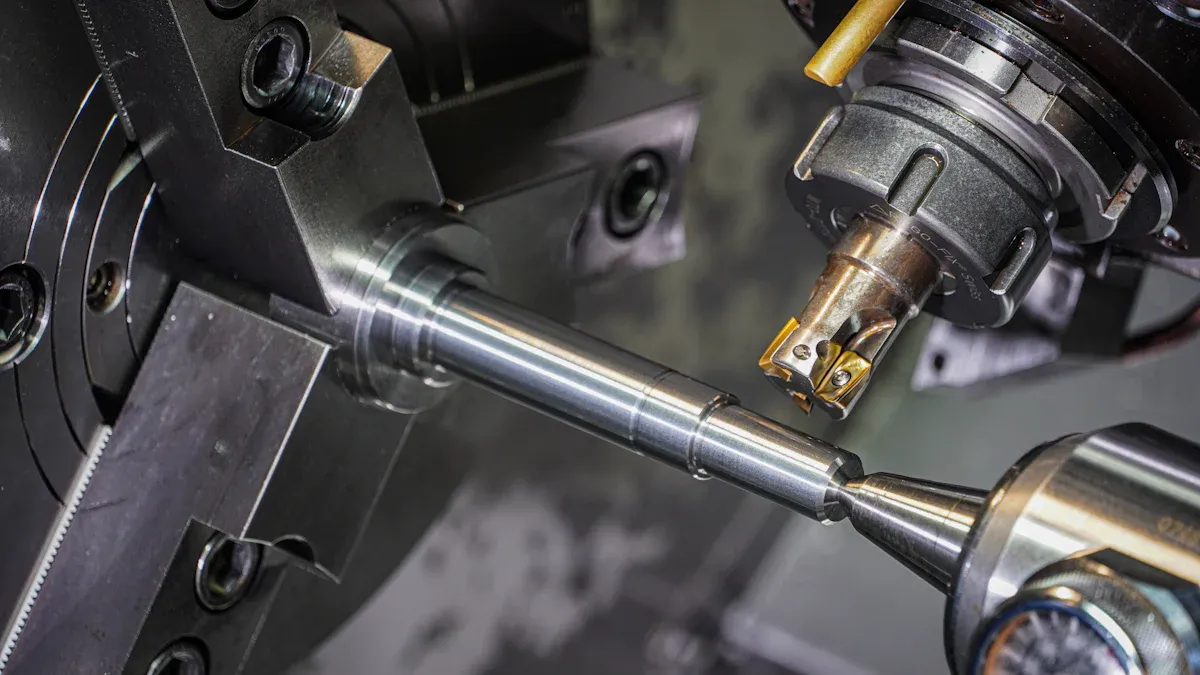
CNC Turning and Milling Machines, along with Dual Spindle CNC Lathes, significantly enhance productivity in modern manufacturing. These advanced machines streamline processes, allowing manufacturers to achieve higher efficiency and precision. For instance, a double spindle CNC turning center for mass production can reduce cycle times by up to 40% compared to single-head lathes. This improvement stems from their ability to perform precision machining on both ends of a workpiece simultaneously. Moreover, reducing labor costs with multi-tasking CNC technology plays a crucial role in maximizing machine utilization. Long setup times can create production bottlenecks, leading to decreased output and increased costs. Embracing these technologies not only boosts productivity but also positions manufacturers to meet growing market demands. Additionally, understanding what is the benefit of a dual spindle CNC lathe for complex parts can further enhance operational efficiency and product quality.
Key Takeaways
- CNC turning-milling machines automate processes, reducing production time and increasing output.
- Dual spindle lathes allow simultaneous machining, cutting cycle times by up to 50%, enhancing efficiency.
- Adopting CNC technology lowers labor costs and minimizes operational downtime, boosting overall productivity.
- Improved part quality and consistency result from precision machining, leading to higher yield rates.
- Embracing these advanced machines positions manufacturers to meet growing market demands effectively.
Understanding CNC Turning-Milling
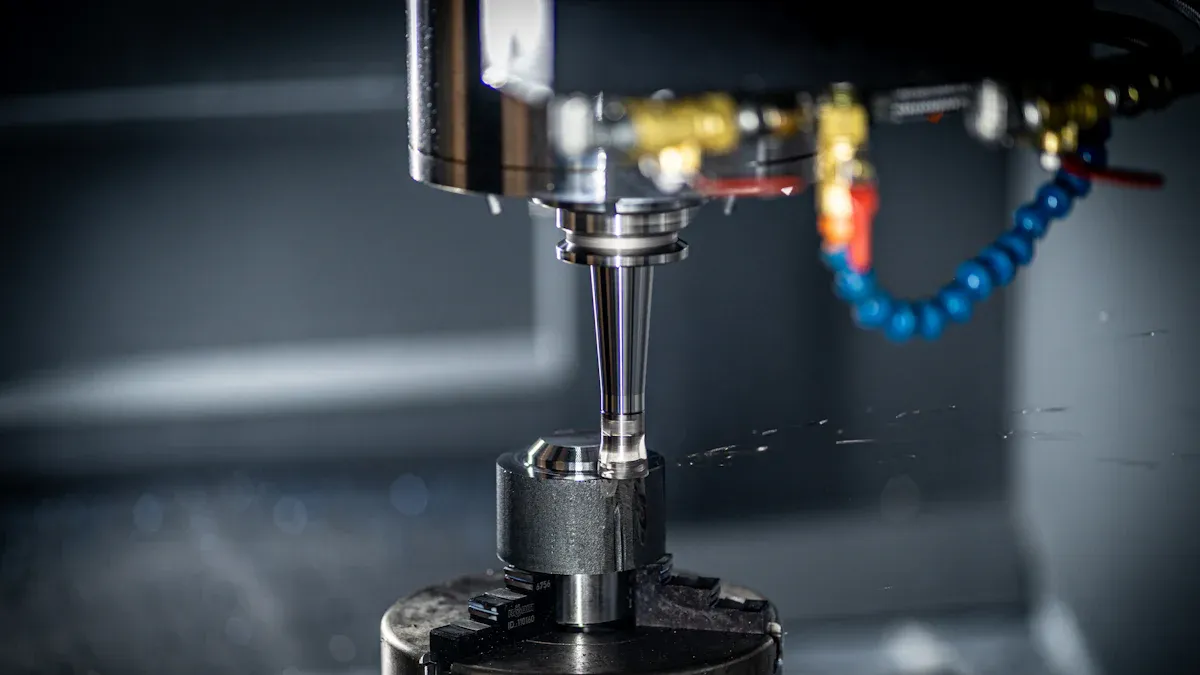
CNC turning-milling technology represents a significant advancement in manufacturing processes. This method combines both turning and milling operations into a single workstation, allowing for enhanced efficiency and productivity. Unlike traditional machining methods, which often rely on manual operations, CNC turning-milling automates the manufacturing process. This automation leads to reduced production time and increased output.
Key Differences from Traditional Machining
- Automation: CNC machines automate the entire manufacturing process, which minimizes human error and speeds up production.
- High-Volume Production: CNC turning-milling machines are designed for high-volume production, making them ideal for manufacturers looking to scale operations.
- Precision and Repeatability: CNC milling allows for precise and repeatable machining, which enhances overall productivity.
| Machine Type | Cycle Time Comparison |
|---|---|
| CNC Turn-Mill | 27% faster than lathes |
| Conventional CNC | Slower for batch work |
CNC turning-milling machines excel in reducing cycle times. They combine turning and milling in one setup, which streamlines the workflow. In contrast, conventional machines may have low setup times but often experience higher cycle times for batch production.
Labor Cost Reduction
CNC machining significantly lowers labor costs compared to manual machining. The automation reduces the number of workers needed for production. The primary labor expense involves the expert designer who creates the 3D CAD model. This cost does not increase with the quantity of parts produced, leading to decreased costs per part as production scales.
Improved Part Quality and Consistency
CNC precision turning enhances part behavior over time, ensuring reliability and consistency. The integration of turning and milling reduces lead time and improves tolerances, which leads to better quality control. A seamless flow from raw material to finished part enhances the accuracy of assemblies.
- Precision machining reduces output variation, improving the fit and function of parts.
- Enhanced reliability leads to reduced material waste and costs, contributing to overall part quality.
Exploring Dual Spindle Lathes
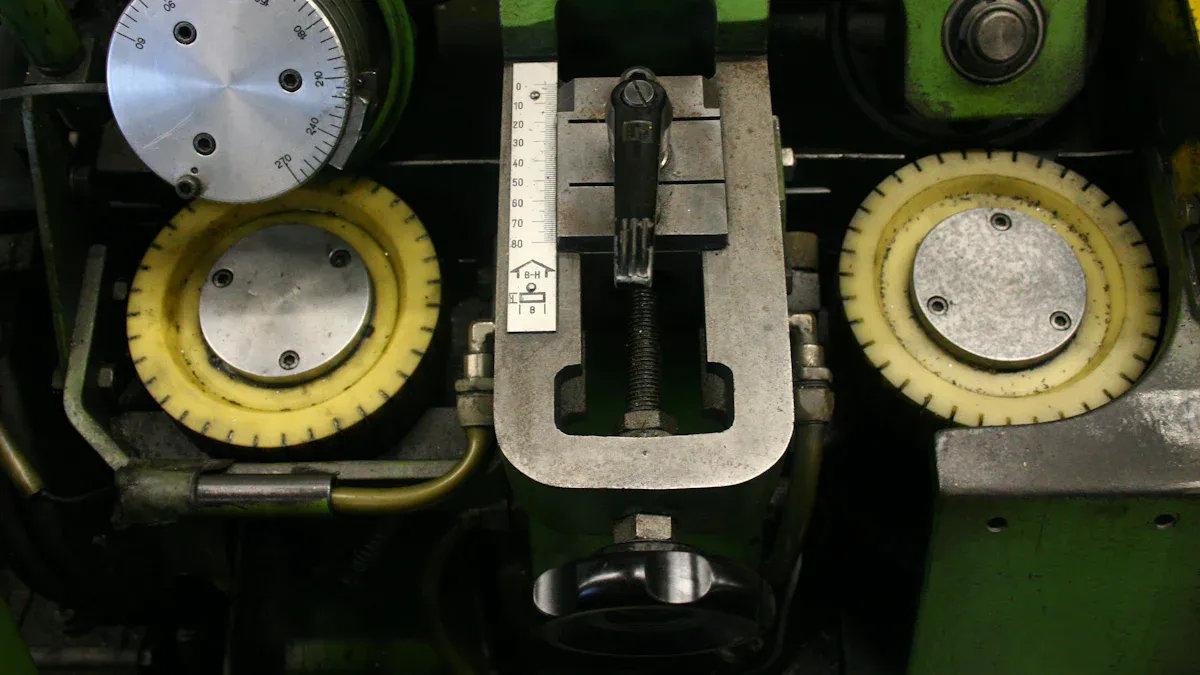
Dual spindle lathes represent a significant leap in machining technology, designed to enhance productivity in manufacturing environments. These machines feature two independent spindles that operate simultaneously, allowing for the efficient machining of both ends of a workpiece or two separate parts at once. This capability is crucial for reducing cycle times and improving overall efficiency.
Key Features of Dual Spindle Lathes
The following table outlines the key features of dual spindle lathes and their associated benefits:
| Feature | Description | Benefit |
|---|---|---|
| Dual Independent Spindles | Two spindles operate simultaneously for front and rear machining | Cuts cycle time, eliminates repositioning |
| High-Rigidity Structure | Cast-iron bed and wide linear guideways | Vibration-free cutting, stable accuracy |
| Advanced CNC Control | FANUC / Siemens / GSK systems | Reliable, intelligent, and user-friendly |
| Automation Ready | Supports robotic arms, bar feeders, chip conveyors | Enables continuous, unattended production |
| Compact Layout | Two operations in one machine | Saves 30–40% floor space |
The dual spindle turning machine is specifically designed for high-volume, high-precision production. By integrating two independent machining stations in one structure, it effectively doubles output without increasing labor or space requirements.
Enhanced Machining Efficiency
Dual spindle lathes allow for simultaneous machining of two parts or both sides of a single part. This design significantly reduces cycle time, which is essential for maintaining competitive production rates. For instance, the standard cycle time for a complete workpiece is approximately 41 seconds. With the addition of a second carriage, this time can be reduced to just 21 seconds.
- Both spindles can perform operations sequentially or simultaneously, cutting cycle times dramatically.
- This design eliminates unnecessary process delays and accuracy issues that often occur when flipping parts manually.
- Automatic back-side machining reduces operator labor and production costs.
Impact on Setup Times and Changeover Efficiency
Dual spindle lathes also optimize setup times and enhance changeover efficiency. The following table illustrates how these machines improve operational efficiency:
| Evidence Type | Description | Impact on Setup Times and Efficiency |
|---|---|---|
| Cycle Time Reduction | Dual spindle lathes perform simultaneous operations, reducing cycle times. | Enhances productivity and efficiency. |
| Setup Time Optimization | Optimizing CNC changeover can cut setup times by over 20%. | Streamlines workflow efficiency. |
| Program Loading Time Savings | Reorganizing workstations can save up to 88% in program loading time. | Further enhances operational efficiency. |
The advanced design of dual spindle lathes allows manufacturers to streamline their workflows, ultimately leading to increased productivity and reduced operational costs.
Maintenance Considerations
While dual spindle lathes offer numerous advantages, they also come with unique maintenance requirements compared to single spindle machines. The following table summarizes these differences:
| Feature | Single Spindle Lathe | Dual Spindle Lathe |
|---|---|---|
| Maintenance Complexity | Simpler and easier to maintain | More complex due to synchronization mechanisms |
| Frequency of Checks | Less frequent checks required | More frequent checks on synchronization and transfer systems |
| Cost | Generally less expensive | Generally more expensive due to added complexity |
| Production Volume | Suitable for lower to medium production volumes | Suitable for high production volumes |
Specific Productivity Benefits
CNC turning-milling and dual spindle lathes offer numerous productivity benefits that significantly enhance manufacturing processes. These technologies streamline operations, reduce waste, and improve overall efficiency.
- Reduced Cycle Times: Dual spindle lathes perform operations simultaneously. This capability transforms a multi-step process into a single automated operation. As a result, manufacturers can complete parts faster, leading to increased throughput.
- Elimination of Work-in-Process Inventory: By completing parts in one cycle, these machines minimize the need for handling and transport. This reduction in work-in-process inventory decreases waste and enhances efficiency.
- Time Savings through Overlapping Operations: The ability to overlap machining operations allows for significant time savings. The total cycle time is determined by the longer operation, not the sum of both, which optimizes production schedules.
- Enhanced Quality Control: Machining all features in a single clamping improves concentricity and alignment. This enhancement increases the yield of good parts from 80% to over 95%, ensuring higher quality output.
The following table summarizes the impact of these technologies on throughput and lead times:
| Technology | Impact on Throughput | Impact on Lead Times |
|---|---|---|
| Automation | Increases machine uptime by over 30% | Leads to more predictable lead times |
| Real-time quality monitoring | Reduces scrap rates | Enables faster delivery |
| Digital twin integration | Offers complete traceability | Optimizes cycle times and prevents delays |
Additionally, CNC turning and milling machines contribute to energy efficiency. Optimizing machining parameters such as cutting speed and feed rate enhances energy efficiency. Process planning that considers energy consumption can significantly reduce overall energy use in manufacturing.
Real-World Applications
CNC turning-milling machines and dual spindle lathes have transformed various industries by enhancing productivity and efficiency. Companies across sectors have adopted these technologies to streamline operations and improve output quality.
In the aerospace sector, manufacturers utilize CNC turning and milling machines to achieve precise components. For instance, the DMG MORI DMU 600 P has enabled an aerospace manufacturer to reduce production time by 30%. This efficiency allows companies to meet stringent deadlines while maintaining high standards of quality.
The automotive industry also benefits significantly from these advanced machines. The Mazak Variaxis i-800N has helped an automotive company decrease cycle time by 40%. This reduction in cycle time translates to faster production rates, allowing manufacturers to respond quickly to market demands.
Shipbuilding firms have implemented Siemens Sinumerik 840D systems to enhance their machining processes. These systems have led to a significant reduction in errors and rework, which is crucial in maintaining safety and reliability in ship construction.
Moreover, the North American market for double spindle double turret lathes is expanding rapidly. This growth stems from the demand for high-precision manufacturing in automotive and aerospace sectors. Dual spindle lathes allow for simultaneous machining of multiple components, which is essential for reducing cycle times. Key factors driving this adoption include technological advancements and the need for cost efficiency.
Industries such as automotive, aerospace, and electronics have seen the greatest impact from adopting CNC turning-milling and dual spindle lathes. These technologies not only enhance productivity but also ensure compliance with regulatory standards, making them indispensable in modern manufacturing.
Future Trends in CNC Technology
The landscape of CNC technology continues to evolve, driven by advancements that enhance productivity and efficiency. Manufacturers increasingly adopt innovative solutions to stay competitive in a rapidly changing market. Here are some key trends shaping the future of CNC turning-milling and dual spindle lathes:
| Trend | Description |
|---|---|
| Automation | Enhances efficiency, accuracy, and productivity by integrating robots and software, allowing for 24/7 production. |
| Artificial Intelligence | Revolutionizes the industry with predictive maintenance, enhanced decision-making, and AI-driven quality control. |
| Digital Twin Technology | Synchronizes virtual simulations with real-time operations for improved precision and efficiency. |
| Precision Machining | Enables fabrication of intricate components at the micron scale, enhancing capabilities of CNC machines. |
| Multi-tasking Machining Centers | Allows multiple operations on a single workpiece, reducing setup times and increasing throughput. |
| Remote Monitoring | Facilitates real-time performance monitoring and diagnostics, improving machine uptime and efficiency. |
| Advancements in CNC Software | Introduces features like simulation and data analysis, leading to improved product quality and reduced production time. |
Automation plays a crucial role in enhancing the capabilities of CNC turning-milling and dual spindle lathes. For instance, dual spindles enable simultaneous machining of workpieces at both ends, significantly reducing process flow time. Additionally, high-speed automatic transfer functions allow for efficient continuous machining with minimal manual intervention.
Manufacturers are also preparing for future developments by adopting advanced CNC multi-spindle lathes. These machines allow for simultaneous execution of various workpiece operations, significantly reducing cycle times. The latest models can handle more complex parts and specialized processes, broadening their application. Enhanced software tools simplify programming, making it easier for manufacturers to optimize their operations.
The CNC metal cutting machine tools market is projected to experience sustained double-digit growth over the next five years. This growth is driven by trends such as integrated additive-subtractive platforms and AI-enabled adaptive feed-rate controls. As a result, the adoption rate for technologies like CNC turning-milling and dual spindle lathes is expected to rise, particularly in automated and sensor-rich manufacturing environments.
CNC turning-milling and dual spindle lathes offer significant productivity benefits that modern manufacturers cannot overlook. These technologies are ideal for fast and cost-effective production of small to medium-sized high-precision parts. They enhance efficiency and productivity while improving accuracy and repeatability.
Key advantages include:
- Reduced setup time and material handling
- Greater flexibility in machining different parts
- Better utilization of space and resources
Adopting these advanced machines leads to lower labor expenses and minimized operational downtime. As the market for these technologies continues to grow, manufacturers must embrace them to maintain a competitive edge in the industry.
FAQ
What is the primary advantage of CNC turning-milling machines?
CNC turning-milling machines combine multiple operations into one setup. This integration reduces cycle times and enhances efficiency, allowing manufacturers to produce parts faster and with greater precision.
How do dual spindle lathes improve productivity?
Dual spindle lathes operate two spindles simultaneously. This feature allows for machining both ends of a workpiece at once, significantly cutting cycle times and increasing overall production rates.
Are CNC turning-milling machines suitable for small batch production?
Yes, CNC turning-milling machines excel in both high-volume and small batch production. Their flexibility allows manufacturers to efficiently produce a variety of parts without extensive setup changes.
What maintenance is required for dual spindle lathes?
Dual spindle lathes require regular maintenance checks on synchronization mechanisms and transfer systems. Operators should monitor these components frequently to ensure optimal performance and prevent downtime.
How can manufacturers benefit from adopting CNC technology?
Manufacturers benefit from CNC technology through reduced labor costs, improved part quality, and enhanced operational efficiency. These advantages lead to increased competitiveness in the market.
Post time: Mar-03-2026