


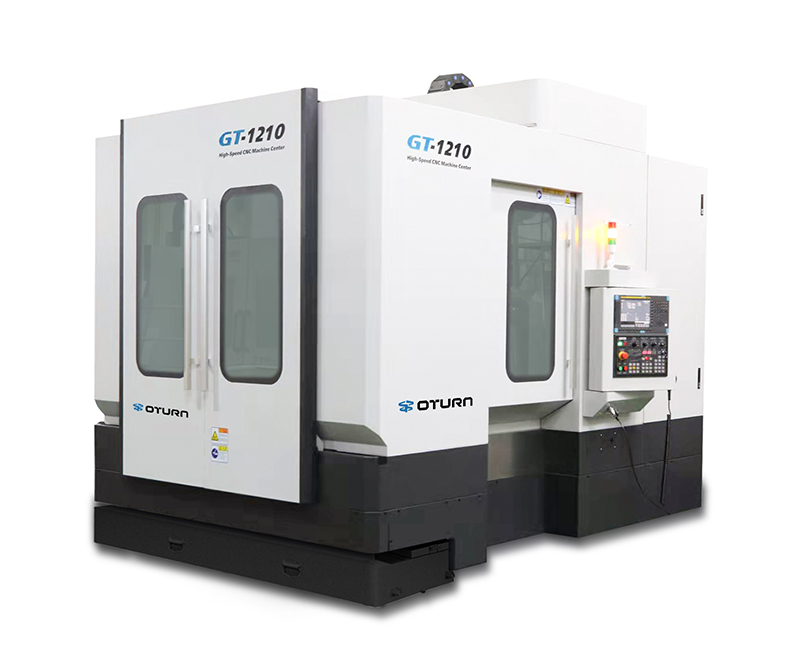
High-speed CNC vertical machining center, as the “heart” of precision manufacturing, can reach speeds of tens of thousands of revolutions per minute. While achieving high-efficiency machining, they also place stringent demands on equipment maintenance. The high temperatures, high loads, and high wear brought about by high-speed operation can easily lead to decreased precision, frequent malfunctions, and even shortened equipment lifespan if proper maintenance is lacking. Therefore, mastering targeted maintenance techniques is crucial for ensuring stable equipment operation and improving production efficiency.
Daily Maintenance Points
· Emphasis on Cleaning: After each day’s machining, the worktable, spindle taper hole, guide rails, etc., must be cleaned promptly to eliminate iron filings and oil residue, preventing particulate impurities from accelerating component wear. High-pressure air and specialized cleaning agents can be used to treat critical contact surfaces, keeping the table and guide rails clean and smooth.
· Lubrication System Monitoring: Before starting the CNC machine each day, check the lubricating oil level and oil circuit unobstructed to ensure adequate lubrication of the spindle and guide rails. High-speed spindles, in particular, require the use of high-quality lubricating oil of the specified type to prevent overheating and seizing due to insufficient lubrication.
· Cooling and Chip Removal Management: Regularly check the coolant level, clean the water tank filter, and promptly replace aging cooling and chip removal pipes to maximize cooling and chip removal efficiency and ensure machining safety at high speeds.
Regular Deep Maintenance
· Precision Calibration: High-speed operation can easily cause wear or increased clearance in components such as lead screws and guide rails. It is recommended to perform precision testing quarterly, using a laser calibrator to calibrate positioning and repeatability accuracy, and adjusting lead screw preload and replacing slide blocks as needed to ensure the equipment maintains a consistently high level of machining performance.
· Spindle and Electrical System Inspection: Perform a comprehensive spindle inspection every six months, paying attention to bearings, seals, motor insulation, and cooling fans. Regularly clean dust from the electrical cabinet, tighten wiring terminals, and test parameters of the servo and frequency converter components to prevent potential electrical faults.
Special and Emergency Maintenance
· For Harsh Working Conditions: When machining high-hardness, high-viscosity materials, it is recommended to shorten the chip and lubrication maintenance cycle, use extreme pressure cutting fluid to reduce load and tool wear, and minimize abnormal vibration.
· Abnormal Shutdown Response: Immediately stop the machine to check for spindle imbalance or transmission wear if you encounter abnormal spindle noise, equipment vibration, or sudden changes in accuracy. Address these issues promptly to prevent further damage.
· Long-Term Idle Maintenance: If the equipment is not used for several days, run it idle periodically to circulate the oil circuit and prevent rust. Seal the spindle taper hole and slide rail surfaces to prevent dust intrusion.
Summary and Recommendations
Mastering high-frequency maintenance procedures such as cleaning, lubrication, accuracy testing, and emergency response is the bottom line for ensuring the efficient and stable operation of high-speed CNC vertical machining center. In practice, it is recommended to refer to the equipment manual and establish a dedicated inspection mechanism to meticulously perform daily “small actions” and ensure the high-speed equipment continues to exert its high-efficiency combat capability.
To improve long-term operational reliability and reduce losses caused by equipment failure, it is recommended to regularly invite original equipment manufacturer (OEM) or industry expert teams to conduct systematic equipment condition assessments and provide upgrade guidance.
Post time: Nov-21-2025