


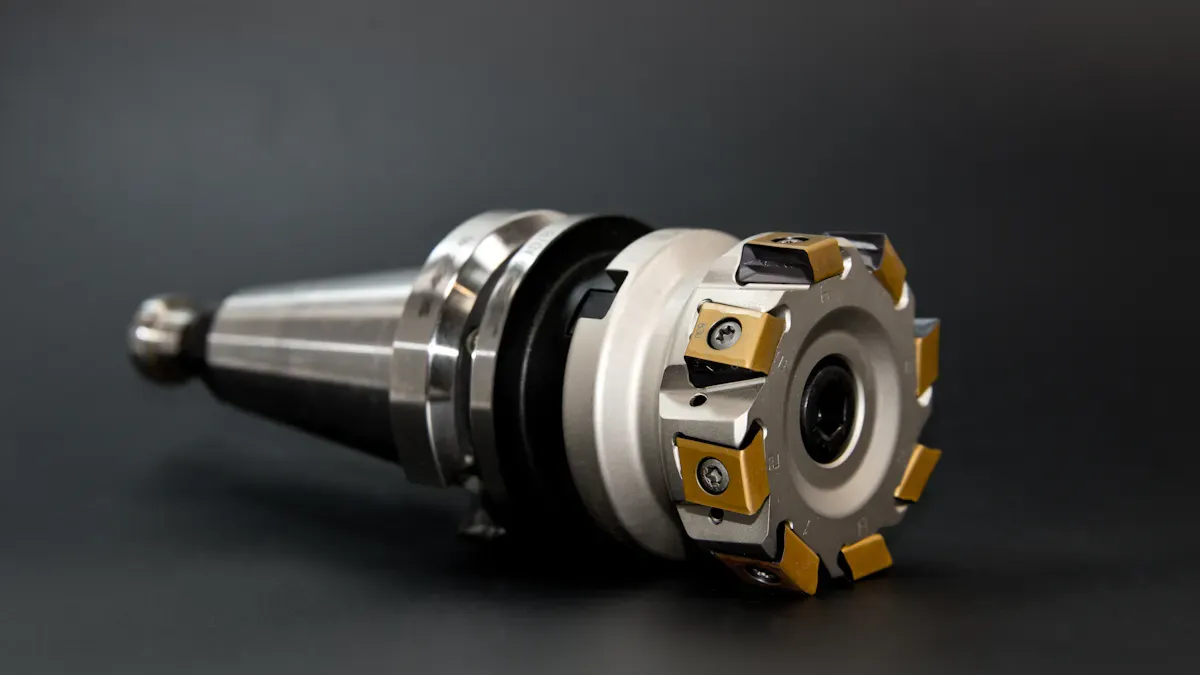
Choosing a CNC lathe for valves is crucial in the valve manufacturing process. Selecting the right precision CNC lathe enhances production efficiency and product quality. What are the key features of a valve machining CNC? These include machine stability, spindle performance, and advanced digital control systems. Such features minimize errors and boost machining accuracy. Utilizing a high precision CNC lathe for the valve industry guarantees smooth power transmission and quicker tool changes. When choosing a CNC machine for valve production, understanding these aspects is essential to optimize the performance of the valve manufacturing machine.
Key Takeaways
- Choose a CNC lathe with strong machine stability to minimize errors and improve product quality.
- Prioritize spindle performance to ensure precision and consistency in valve manufacturing.
- Consider material compatibility when selecting a CNC lathe, as different materials affect machining efficiency.
Machine Stability

Machine stability plays a vital role in high-precision valve manufacturing. A stable CNC lathe minimizes errors and enhances the quality of the finished product. Key aspects of machine stability include:
- Rigidity: A rigid machine structure prevents deformation under cutting forces. This rigidity leads to improved accuracy and surface finishes.
- Thermal Stability: Temperature fluctuations can cause dimensional variations due to thermal expansion of machine components. Maintaining a consistent temperature is essential for precision.
- Vibration Control: Effective strategies to control vibrations are necessary. Minimizing movement during operation enhances machining accuracy.
When selecting a CNC lathe for valves, consider the following critical features:
| Feature | Description |
|---|---|
| Bed Type | Comparison between slant bed and flat bed |
| Cast Iron Grade and Weight | Importance of material quality and mass |
| Vibration Absorption Capability | Essential for maintaining precision during operation |
Environmental factors also impact machine stability. For instance, low humidity can lead to static electricity buildup, attracting dust and debris. This can negatively affect surface finish and machining accuracy. Therefore, controlling humidity is crucial for optimal performance.
Spindle Performance
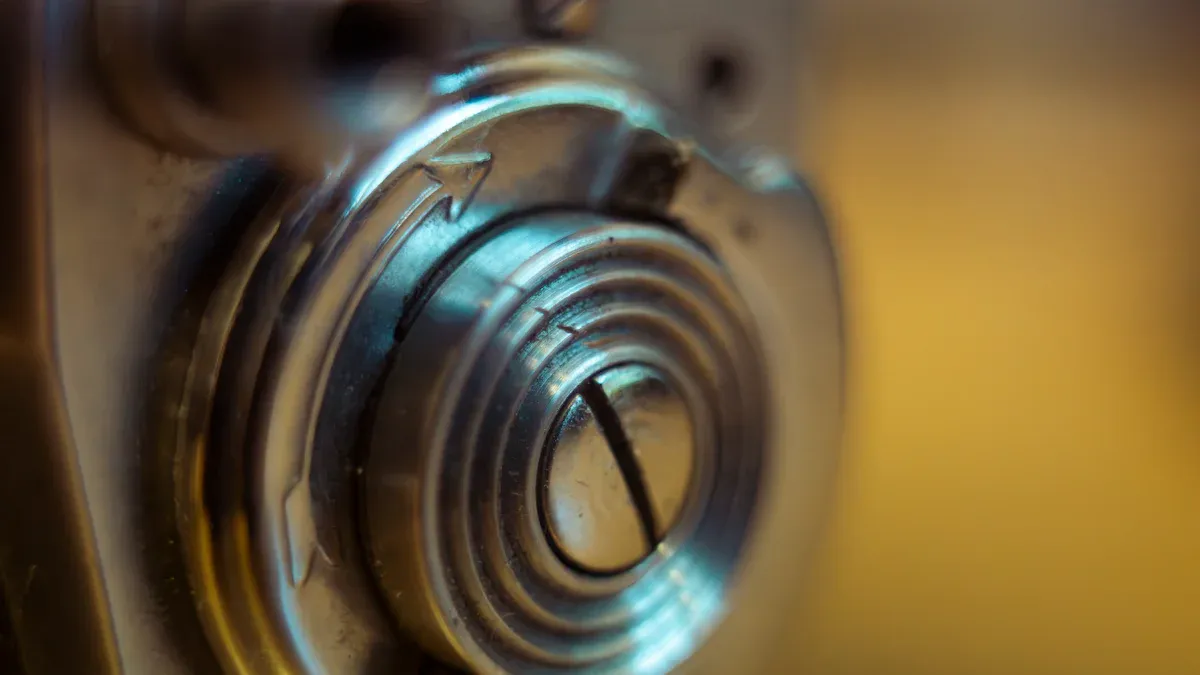
Spindle performance significantly influences the quality of machined valves. A well-functioning spindle ensures precision and consistency throughout the manufacturing process. Key factors affecting spindle performance include:
- Spindle Runout: This refers to the deviation of the spindle axis from its true position. High runout can lead to poor surface finishes and affect the roundness and concentricity of the valves.
- Worn Spindle Bearings: Over time, bearings can wear out, resulting in oval bores and inconsistent finishes. Regular maintenance is essential to prevent this issue.
- Machine Alignment Practices: Proper alignment ensures that the spindle operates within its designed parameters, enhancing machining precision.
The impact of these factors on machining is summarized in the table below:
| Factor | Impact on Machining |
|---|---|
| Spindle Runout | Affects roundness and concentricity |
| Worn Spindle Bearings | Leads to oval bores and inconsistent finish |
| Machine Alignment Practices | Ensures precision in machining |
Advanced spindle technologies have revolutionized valve manufacturing. These innovations can nearly double production speeds compared to a decade ago. They also maintain lower operating temperatures, which enhances thermal stability—crucial for precision grinding and milling. Improvements in lubrication, bearing technology, and seal design contribute to longer-lasting and better-performing spindles.
As CNC lathe technology evolves, the integration of Industry 4.0 concepts becomes more prevalent. Smart CNC lathes now feature IoT connectivity, real-time monitoring, and predictive maintenance capabilities. These advancements enhance operational efficiency and reduce downtime, making them ideal for high-precision valve manufacturing.
Precision Requirements
Precision is paramount in valve manufacturing. High-tolerance machining ensures reliability and efficiency. In many industries, such as aerospace and automotive, even minor deviations can lead to significant failures. For instance, tolerances in valve manufacturing often range from microns to thousandths of an inch. Adhering to these standards is essential for maintaining product integrity.
Key industries requiring strict precision include:
- Aerospace: Components like turbine blades must meet exact specifications to ensure safety.
- Automotive: Engine components rely on precise tolerances for optimal performance and emissions control.
- Medical: Devices such as surgical instruments require high precision for effective functionality.
To achieve these precision requirements, manufacturers often utilize advanced inspection methods. Tools like Coordinate Measuring Machines (CMM) and optical comparators help verify compliance with industry standards. The balance between cost and precision is crucial; tighter tolerances necessitate advanced equipment and rigorous quality assurance.
Different CNC lathe models also vary in their ability to achieve sub-micron precision. For example, a conventional CNC lathe typically offers a tolerance of ±0.001”, while a Swiss CNC machine can achieve tolerances as tight as ±0.0001”. This capability makes Swiss machines ideal for long, slender, micro-precision parts, commonly used in medical and aerospace applications.
Material Compatibility
Material compatibility is essential when selecting a CNC lathe for high-precision valve manufacturing. Different materials present unique challenges that can affect machining efficiency and product quality. Common materials used in valve production include:
- Carbon Steel
- Stainless Steel
- Bronze
- High-Performance Alloys (e.g., Hastelloy, Inconel)
Each material has distinct properties that influence machining processes. For instance, harder metals like stainless steel and titanium lead to increased tool wear, necessitating more frequent tool changes. This can negatively impact production efficiency. Conversely, softer metals such as aluminum result in less tool wear, extending tool life and reducing maintenance costs.
Tip: Machinability generally decreases with increasing hardness and tensile strength. For example, austenitic stainless steels exhibit poor machinability due to high work hardening rates.
CNC lathes must be capable of handling these diverse materials effectively. High-performance CNC lathes are specifically engineered for precision and durability when processing exotic alloys like Inconel and Hastelloy. These machines can work with both metallic and non-metallic materials, ensuring versatility in valve production.
Maintenance requirements also vary based on the materials being machined. Abrasive materials can accelerate wear on CNC lathes, making regular inspections and condition monitoring crucial. Implementing a robust maintenance schedule helps safeguard machine uptime and tooling life, which is vital for maintaining production quality.
Automation Capabilities
Automation capabilities significantly enhance the efficiency of CNC lathes in valve manufacturing. By integrating advanced technologies, manufacturers can achieve higher throughput and lower labor costs. Key benefits of automation include:
- Cost Reduction: Automation minimizes reliance on manual labor, leading to substantial savings. This is especially beneficial for small manufacturers with limited budgets.
- Scalability: Automated systems can adapt to changes in production volume, allowing manufacturers to grow without major overhauls.
- Improved Safety: Automation reduces human involvement in hazardous tasks, creating a safer work environment.
- Enhanced Consistency: Automated processes ensure precision, reducing human error and maintaining product quality.
The table below summarizes the impact of CNC lathes on cost factors in valve manufacturing:
| Cost Factor | Impact of CNC Lathes |
|---|---|
| Labor Costs | Reduced need for skilled machinists per machine; one operator can oversee multiple CNC units. |
| Production Speed | Faster cycle times and continuous operation (including lights-out machining) increase output. |
| Quality & Rework | High consistency reduces defects and rework, lowering hidden quality costs. |
| Scalability | Easily scalable for high-volume production without proportional labor increases. |
Automation also allows for continuous operation, which is crucial for small to medium-sized valves. Features like automatic bar feeding systems and robotic part handling streamline production processes. This integration of robotics enhances flexibility, enabling manufacturers to quickly reconfigure machines for various parts and workflows. Such adaptability is essential for meeting diverse production needs in the valve industry.
Selecting the right CNC lathe for valve manufacturing is essential for achieving high precision and efficiency. Each factor discussed—machine stability, spindle performance, precision requirements, material compatibility, and automation capabilities—directly influences production quality.
Tip: Tailoring CNC lathes to specific manufacturing needs can lead to significant long-term cost savings.
Manufacturers should carefully evaluate their options to ensure optimal performance and minimize defect rates.
FAQ
What is the importance of machine stability in CNC lathes?
Machine stability minimizes errors and enhances the quality of finished valves, ensuring precision during the manufacturing process.
How do spindle performance and precision affect valve production?
Spindle performance directly influences machining accuracy. High precision ensures that valves meet strict industry tolerances, preventing costly failures.
What materials are commonly used in valve manufacturing?
Common materials include carbon steel, stainless steel, bronze, and high-performance alloys like Hastelloy and Inconel, each presenting unique machining challenges.
Post time: Mar-25-2026