


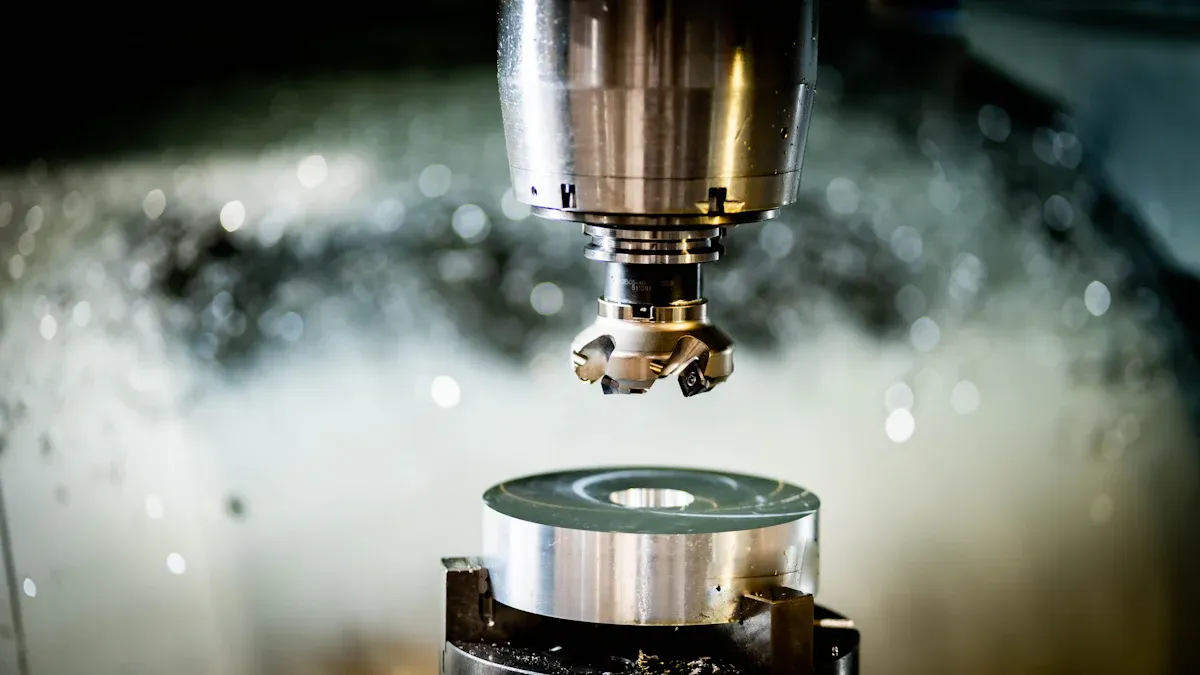
CNC machining centers, including the advanced 5-axis machining center, play a crucial role in achieving high precision in manufacturing. These industrial CNC machines operate through automated processes, which ensure consistent quality and significantly reduce human error. As an industrial CNC machine supplier, we provide customized CNC solutions that enable manufacturers to create intricate designs and maintain tight tolerances. This capability, particularly with custom CNC lathe machines for automotive parts, greatly enhances overall manufacturing efficiency, making CNC machining centers indispensable in modern production environments.
Key Takeaways
- CNC machining centers automate manufacturing processes, ensuring high precision and reducing human error.
- Regular maintenance is essential for CNC machines to maintain accuracy and extend their lifespan.
- Industries like aerospace and automotive rely on CNC machining for producing complex parts with tight tolerances.
- Implementing CNC technology can significantly lower production costs by reducing material waste and increasing efficiency.
- The future of CNC machining includes automation and AI, which will enhance productivity and sustainability in manufacturing.
Understanding CNC Machining Centers
Definition and Purpose
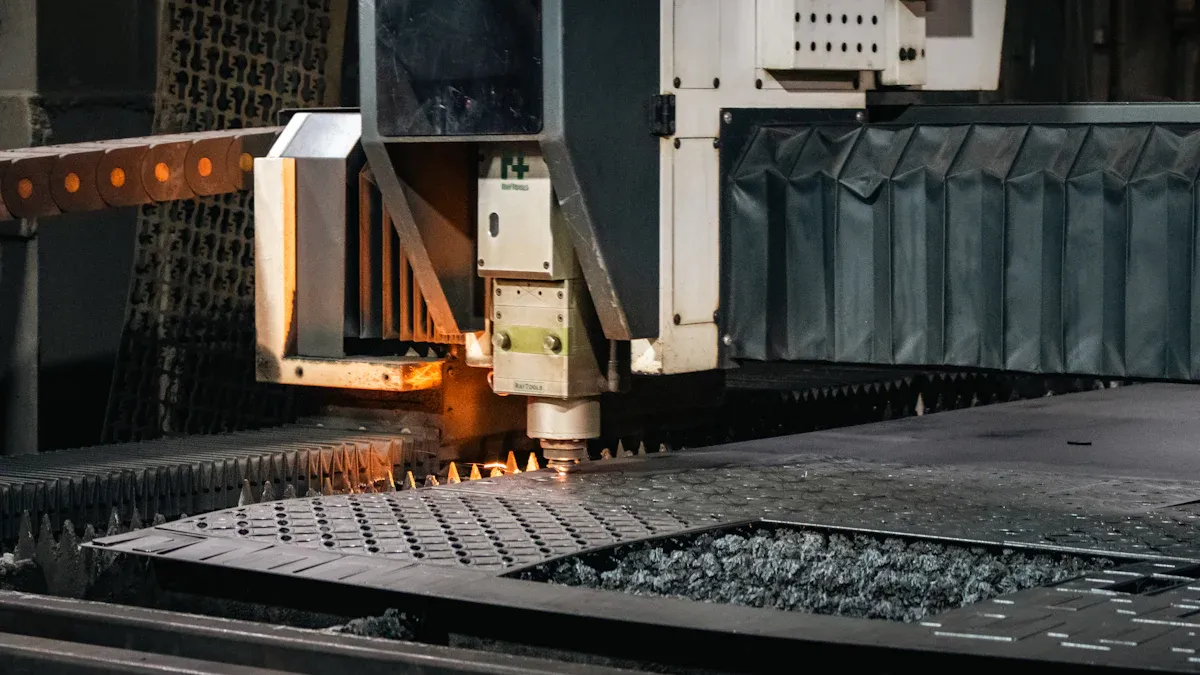
CNC machining centers are advanced manufacturing tools that automate the machining process. They utilize computer numerical control to execute precise movements and operations. The primary purpose of these machines is to produce parts with high accuracy and repeatability. Manufacturers rely on CNC machining centers to create complex components that meet stringent specifications. These machines enhance production efficiency by minimizing human error and ensuring consistent quality across batches.
Key Components
CNC machining centers consist of several critical components that work together to achieve precision. Understanding these components is essential for grasping how these machines operate effectively. The key components include:
- Control Unit: This is the brain of the CNC machining center. It interprets the programmed instructions and translates them into machine movements.
- Spindle: The spindle holds the cutting tool and rotates at high speeds to perform machining operations. Its precision is vital for achieving the desired surface finish.
- Table: The table supports the workpiece and can move in multiple directions. It allows for adjustments in positioning, ensuring accurate machining.
- Tool Changer: This component automatically swaps out tools as needed during the machining process, enhancing efficiency and reducing downtime.
CNC machining centers also function as flexible manufacturing systems. They can adapt quickly to changes in product specifications or quantities, further enhancing efficiency. Operators typically undergo formal training to understand CNC technology and programming, which differs from traditional machine operation training that focuses on basic skills.
To maintain long-term operational efficiency, regular maintenance is crucial. Operators should perform daily checks for stable operations, weekly preventive care, and monthly accuracy calibrations. An annual preventive overhaul by certified service engineers ensures that the machine remains in optimal condition.
How CNC Machining Centers Operate
The Role of Computer Numerical Control
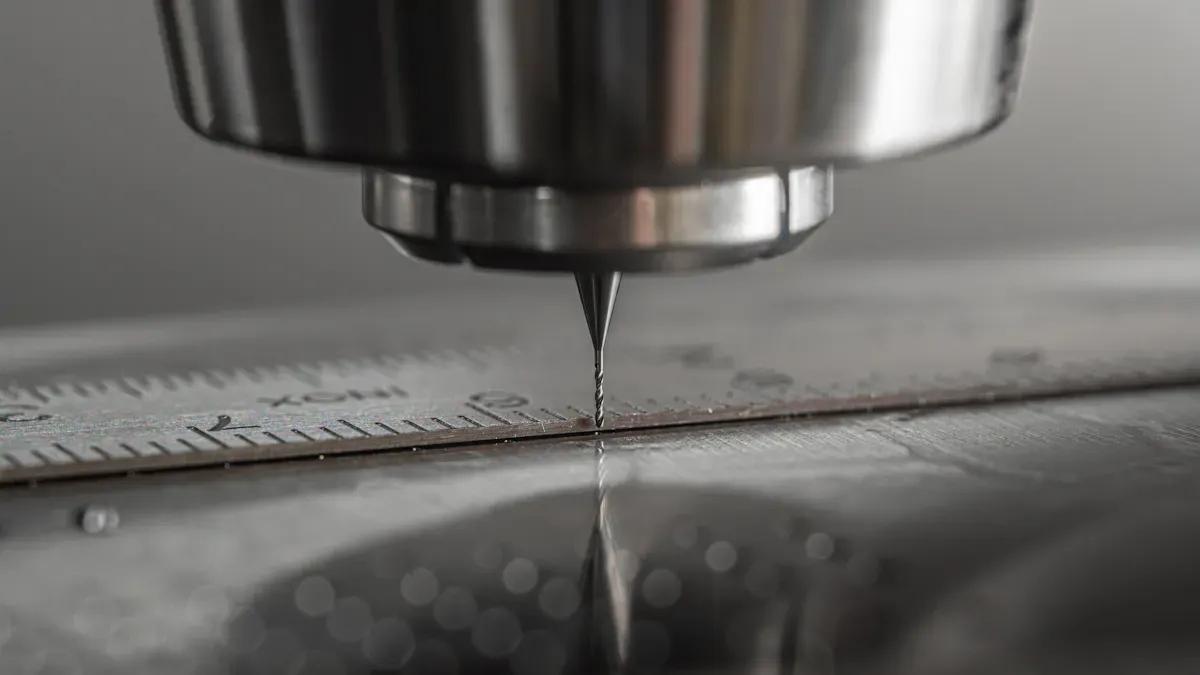
Computer Numerical Control (CNC) serves as the backbone of CNC machining centers. This technology allows machines to execute precise movements based on programmed instructions. Operators input designs into specialized software, which translates these designs into G-code. G-code directs the machine’s movements with high precision, ensuring that each operation aligns with the intended specifications.
The programming process benefits significantly from Computer-Aided Manufacturing (CAM) software. This software streamlines the conversion of digital models into G-code, handling complex calculations that enhance the efficiency of CNC operations. It simplifies programming and allows for better visualization of machining tasks. By identifying potential errors before they occur, CAM software improves overall precision.
In addition to G-code, M-code plays a crucial role in managing auxiliary functions. For instance, M-code controls coolant systems, vital for maintaining material integrity during machining. The algorithms that process G-code ensure that the toolpath executes with exactness. This precision is particularly crucial in industries like aerospace engineering and automotive manufacturing, where even minor deviations can lead to significant issues.
Movement Mechanisms in CNC Machining Centers
Movement mechanisms in CNC machining centers are essential for achieving tight tolerances. These mechanisms include various components that work together to ensure accurate positioning and movement. The following table outlines the main movement mechanisms and their contributions to precision:
| Evidence Description | Contribution to Tight Tolerances |
|---|---|
| Table motion accuracy is crucial for tight tolerances. Errors from backlash or misalignment can compromise part quality. | Ensures precise positioning and alignment during the machining process, which is essential for achieving tight tolerances. |
| CNC controllers and feedback systems direct component motion and monitor positions in real-time. | Enhances accuracy by allowing for real-time adjustments based on programmed paths, contributing to tight tolerances. |
| Accurate calibration and regular maintenance are necessary to prevent errors in motion. | Maintains performance and precision, which are critical for achieving tight tolerances in CNC machining. |
High-resolution encoders and feedback systems monitor tool position with sub-micron accuracy. These systems detect and correct issues such as machine deflection, tool wear, and thermal expansion in real-time. This capability ensures consistent part quality during production, reinforcing the importance of movement mechanisms in CNC machining centers.
Benefits of Precision in Manufacturing
Quality Assurance
Precision in manufacturing directly correlates with quality assurance. CNC machining centers consistently produce components that meet stringent quality standards. These machines minimize human error, ensuring that each part adheres to exact specifications. As a result, manufacturers can achieve high levels of reliability in their products.
Many products manufactured using CNC machining centers meet recognized quality assurance standards. The following table outlines some of the most frequently met standards:
| Standard | Description |
|---|---|
| ISO 9001:2015 | A standard that specifies requirements for a quality management system (QMS) to ensure products meet customer and regulatory requirements. |
| IATF 16949:2016 | A standard that focuses on the development of a quality management system for the automotive sector, ensuring consistent quality in products. |
By adhering to these standards, manufacturers enhance their credibility and customer satisfaction. High-quality products lead to fewer returns and increased trust from clients, which is vital in competitive markets.
Cost Efficiency
CNC machining centers significantly enhance cost efficiency in manufacturing. These machines reduce material waste through their high precision, which minimizes errors and unnecessary use of materials. This reduction in waste leads to lower costs associated with scrap.
Manufacturers report several cost-saving benefits after implementing CNC machining centers compared to manual machining. Key points include:
- CNC machining reduces scrap rates to 1–3%, compared to 5–8% for manual setups, leading to significant savings on raw materials.
- Enhanced manufacturing efficiency and reduced cost per part are direct benefits of lower scrap rates.
- CNC machines can increase throughput by 30-40% compared to manual operations.
These improvements not only lower production costs but also allow manufacturers to allocate resources more effectively. The ability to produce high-quality parts at a lower cost enhances competitiveness in the market.
Applications of CNC Machining Centers
Aerospace Industry
CNC machining centers play a vital role in the aerospace industry. They produce critical components that require exceptional precision. Common aerospace components manufactured using CNC machining include:
- Turbine blades
- Engine components
- Housings
- Brackets
- Fuel system parts
These components often meet precision requirements of 2 microns or less. CNC machining centers enhance production timelines by enabling high-speed machining. This capability allows for quick material removal while maintaining quality. Additionally, the ability to machine complex geometries in a single setup significantly reduces production time.
Automotive Manufacturing
In the automotive sector, CNC machining centers are essential for producing a wide range of parts. Key automotive components manufactured using these machines include:
- Engine blocks and cylinder heads
- Transmission gears and clutches
- Suspension springs and shock absorbers
- Exhaust headers and catalytic converters
- Interior panels and body components
The adoption of CNC machining centers has transformed production capabilities. They reduce cycle times by 20-30%, enabling faster project completions. Automation and real-time data monitoring minimize production downtimes. Moreover, CNC machining enhances production speeds, contributing to overall efficiency.
| Benefit | Description |
|---|---|
| Reduced Cycle Times | A 5-axis CNC machine can significantly decrease cycle times, leading to quicker outputs. |
| Increased Production Speed | CNC machining enhances production speeds, improving overall manufacturing efficiency. |
| Cost Reduction | Implementation of CNC technologies has lowered production costs by at least 20%. |
Medical Devices
CNC machining centers are crucial in the production of medical devices that require high precision. They ensure consistency across batches by producing each part with high accuracy. This capability is vital for creating reliable medical devices that adhere to stringent regulatory standards. Common applications include:
- Surgical instruments
- Orthopaedic implants
- Dental components
- Prosthetics
CNC machining allows manufacturers to work with biocompatible materials, ensuring safety and effectiveness for patient use. The ability to achieve tight tolerances is essential for applications like implantable devices and surgical instruments, which must meet strict regulatory requirements.
Future Trends in CNC Machining
Automation and AI Integration
The future of CNC machining centers lies in automation and artificial intelligence (AI). These technologies enhance operational efficiency and precision. AI-driven predictive maintenance allows CNC systems to foresee issues before they arise. This capability significantly reduces downtime and maintenance costs. Key benefits include:
- Predictive Maintenance: AI systems can predict potential failures, allowing for timely interventions.
- Real-Time Monitoring: Continuous machine monitoring optimizes uptime and facilitates centralized control across multiple factory locations.
- Machine Learning Algorithms: These algorithms analyze data to improve performance and predict maintenance needs.
As manufacturers adopt these technologies, they can expect increased productivity and reduced operational costs.
Sustainable Manufacturing Practices
Sustainability is becoming a priority in CNC machining. Manufacturers are adopting practices that minimize environmental impact while maintaining efficiency. Some notable trends include:
- Energy-Efficient Equipment: New CNC machines can reduce energy consumption by up to 30%, lowering operational costs and carbon footprints.
- Waste Reduction and Recycling: Advanced CAM software optimizes toolpaths to minimize waste. Additionally, coolant recycling through filtration systems helps conserve resources.
- Sustainable Material Sourcing: Manufacturers emphasize sourcing materials from suppliers who demonstrate environmentally friendly practices.
Moreover, energy-efficient CNC machining centers outperform traditional models in power consumption, achieving up to 30% lower energy usage. Closed-loop processes further promote recycling and waste reduction, aligning manufacturing with sustainable goals.
By integrating automation and sustainable practices, CNC machining centers are poised to lead the way in modern manufacturing, ensuring efficiency while protecting the environment.
CNC machining centers are vital for achieving precision in modern manufacturing. They ensure tight tolerances and smooth finishes across various materials, which is essential for industries such as aerospace, medical, and electronics. These machines minimize material waste, reduce costs, and support sustainability efforts.
As technology advances, CNC machining centers will continue to drive innovation and enhance production capabilities. Their integration with AI and automation will further improve efficiency and adaptability, ensuring manufacturers remain competitive in a rapidly evolving market.
Emphasizing the importance of CNC technology is crucial for fostering continued advancements in manufacturing.
FAQ
What is a CNC machining center?
A CNC machining center is an automated machine tool that uses computer numerical control to perform precise machining operations. It enhances manufacturing efficiency by producing complex parts with high accuracy and repeatability.
How does CNC machining improve production efficiency?
CNC machining improves production efficiency by automating processes, reducing human error, and enabling faster machining cycles. This leads to higher throughput and lower production costs, allowing manufacturers to meet demand more effectively.
What industries benefit from CNC machining centers?
Industries such as aerospace, automotive, and medical devices benefit significantly from CNC machining centers. These sectors require high precision and reliability, making CNC technology essential for producing critical components.
How does maintenance affect CNC machining centers?
Regular maintenance ensures CNC machining centers operate at peak performance. It prevents breakdowns, maintains accuracy, and extends the machine’s lifespan. Scheduled checks and calibrations are vital for optimal functionality.
What advancements are shaping the future of CNC machining?
Advancements in automation and artificial intelligence are shaping the future of CNC machining. These technologies enhance operational efficiency, predictive maintenance, and real-time monitoring, driving innovation in manufacturing processes.
Post time: Mar-12-2026