


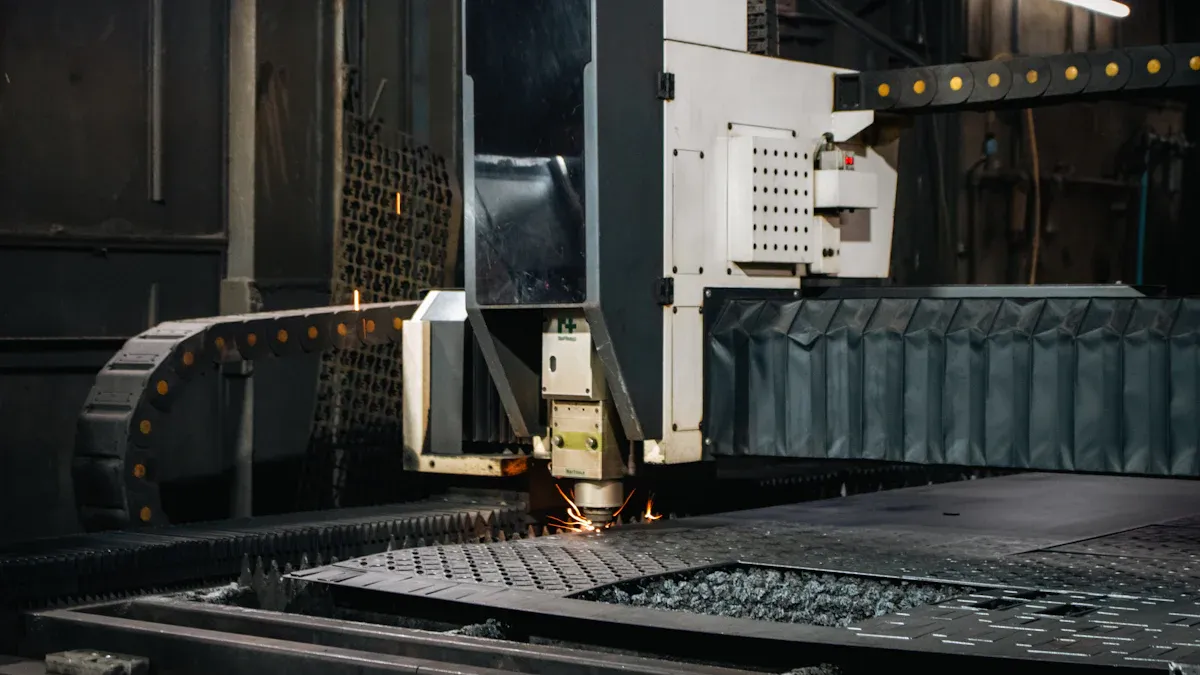
Selecting the appropriate CNC machine for large metal parts is crucial for manufacturing success. The right choice can significantly enhance efficiency and quality. Different CNC machines, such as the CNC Gantry Machining Center, CNC Horizontal Machining Center, and CNC Vertical Lathe, vary in precision, power, and processing capabilities. An inappropriate selection may lead to increased costs and reduced efficiency.
- CNC machines, including the heavy-duty CNC horizontal lathe for large shafts, automate production, allowing for continuous work and faster production speeds.
- High accuracy minimizes human error, ensuring consistent quality in parts.
- Large parts often require longer machining cycles, which can take hours or even days, depending on complexity.
Additionally, effective chip management in horizontal machining centers is essential to maintain optimal performance. Understanding these factors helps manufacturers make informed decisions that can optimize production timelines and costs. Furthermore, it’s important to consider what are the advantages of gantry machining centers for large molds, as they can provide unique benefits in handling such projects.
Key Takeaways
- Choosing the right CNC machine boosts manufacturing efficiency and quality. Consider the specific needs of your projects.
- Horizontal CNC machines excel in handling heavy parts and provide effective chip management, making them ideal for large components.
- Vertical CNC machines offer high precision and versatility, suitable for various materials and complex geometries.
- CNC Gantry Machining Centers provide exceptional rigidity and stability, perfect for large and heavy components in demanding industries.
- Regular maintenance is key to prolonging the lifespan of CNC machines. Implement daily, monthly, and annual checks to ensure optimal performance.
Horizontal CNC Machines
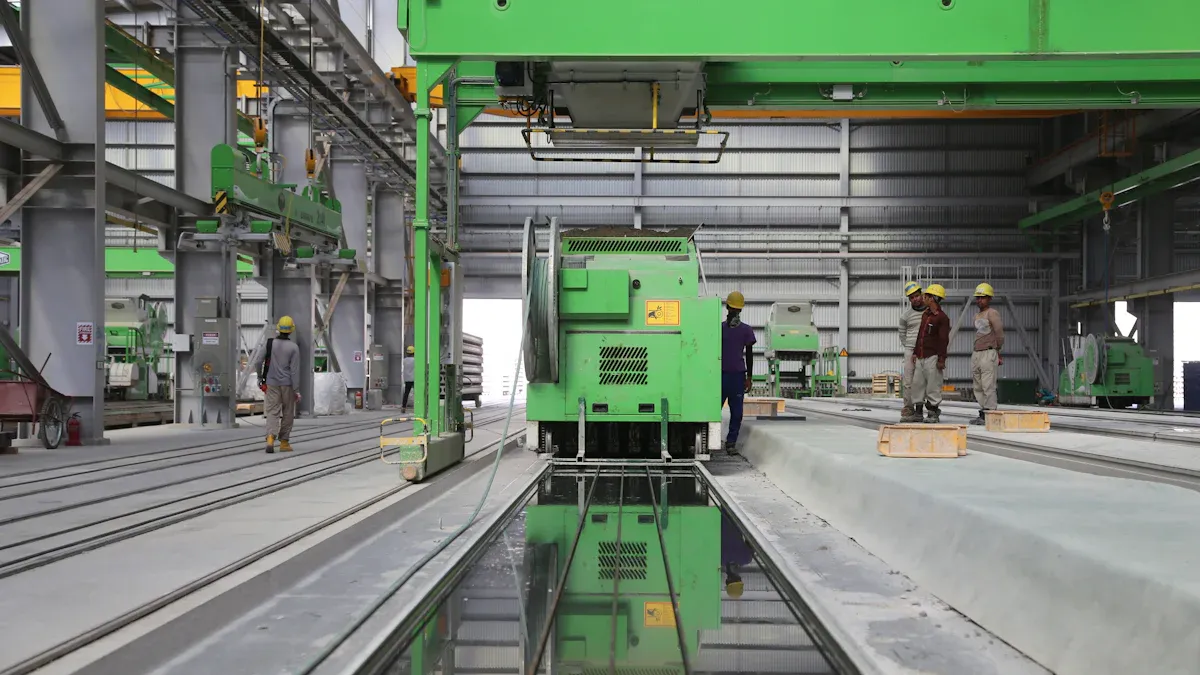
Horizontal CNC machines are essential tools in the manufacturing of large metal parts. Their design and functionality make them particularly suitable for handling heavy components. Below are some key features that highlight their advantages:
| Feature | Benefit |
|---|---|
| Efficiency in handling heavy parts | Suitable for large or heavy parts with sizeable surface areas |
| Ability to machine multiple sides | Ideal for parts that require machining on multiple sides |
| Effective chip management | Chips fall away easily, improving efficiency during high-speed milling |
| Shorter processing times | Operators can swap pallets, reducing overall machining time |
| Cost-effectiveness | Associated with lower prices due to reduced labor and machining time |
Horizontal CNC machines excel in various industries, including aerospace, energy, die/mold, and medical sectors. They produce components that require high precision and durability. For instance, in the aerospace industry, these machines manufacture critical aircraft components that endure extreme operational conditions.
The maximum workpiece size that horizontal CNC machines can handle varies by model. Here are some examples:
| Machine Model | Max. Workpiece Size |
|---|---|
| HCN | Φ800 mm × 1000 mm |
| OKK | ø 31.5″ (800mm) |
| HMC630H | φ1000 mm |
In terms of spindle power and torque, horizontal CNC machines also stand out. They provide the necessary strength for machining large metal parts effectively. The following table illustrates the spindle power and torque capabilities of various models:
| Machine Model | Spindle Power | Maximum Torque | Features |
|---|---|---|---|
| Giddings & Lewis HMC | N/A | High Torque | Rugged design, high accuracy, handles heavy loads, advanced software control |
| FH630SX-i | 8,000 RPM | High Torque | High-speed machining, optional 15,000 RPM spindle |
| μ | 44.4 kW | 586 N·m | High power, high rigidity, suitable for heavy cutting and high-accuracy machining |
Maintenance is crucial for ensuring the longevity and efficiency of horizontal CNC machines. Regular upkeep includes daily checks of electrical components and monthly inspections of chip collectors and air filters. Annual maintenance involves more extensive tasks, such as replacing lubricants and checking for contaminants in the coolant system. Here is a summary of typical maintenance requirements:
- Daily Maintenance: Test electrical components to ensure functionality.
- Monthly Maintenance:
- Clean the chip collector near the coolant tank to prevent overheating.
- Inspect jaws, chucks, and fixtures for secure workpiece holding.
- Clean or replace air filters to maintain airflow.
- Annual Maintenance:
- Inspect the coolant cylinder tank for contamination.
- Drain and replace lubricant to protect moving parts.
Vertical CNC Machines
Vertical CNC machines play a vital role in the manufacturing of large metal parts. Their design allows for efficient machining, particularly when working with complex geometries. Here are some key features that make vertical CNC machines advantageous:
- High Precision: Vertical machining centers excel in achieving tight tolerances. They deliver smooth surface finishes, which is crucial for parts requiring high accuracy.
- Versatility: These machines can handle a variety of materials, including aluminum, steel, and titanium. This versatility makes them suitable for diverse industries.
- Ease of Setup: Operators find vertical CNC machines easier to set up compared to horizontal counterparts. This feature reduces downtime and enhances productivity.
- Compact Design: The vertical orientation often requires less floor space, making it ideal for smaller workshops or facilities.
Despite their advantages, vertical CNC machines may require additional processes to remove tool marks and sharp edges. This necessity can impact the final quality of large metal parts. Manufacturers must consider this when planning production timelines.
Applications of Vertical CNC Machines
Vertical CNC machines find applications across various sectors, including:
| Industry | Application Example |
|---|---|
| Aerospace | Machining of aircraft components |
| Automotive | Production of engine blocks and frames |
| Medical | Fabrication of surgical instruments |
| Energy | Manufacturing turbine components |
CNC Gantry Machining Center
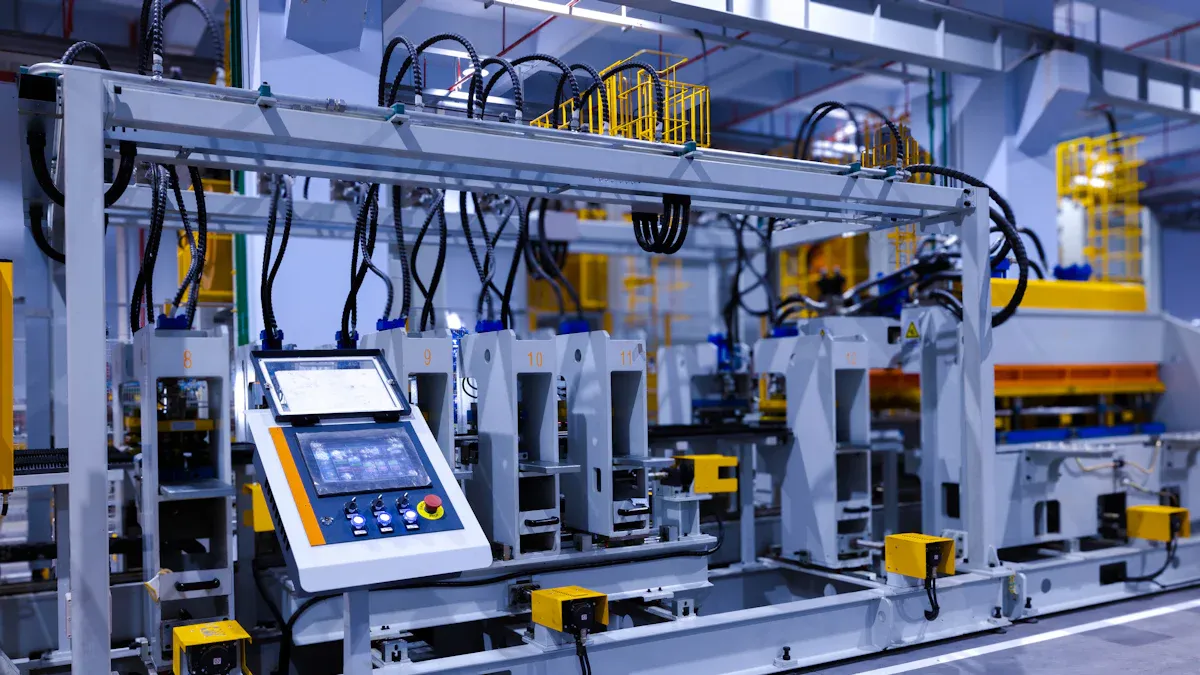
CNC Gantry Machining Centers are pivotal in the manufacturing of large metal parts. Their unique design and capabilities make them particularly suitable for handling heavy and oversized components. Here are some key features that highlight their advantages:
- Exceptional Rigidity: The GMC1012 CNC Gantry Machining Center features an integrated double-column structure. This design ensures outstanding rigidity and vibration resistance, which is crucial for maintaining precision during machining.
- Customizable Travel Range: With a travel range of X-axis 1000mm and Y-axis 1200mm, these machines excel in processing large-size workpieces. This flexibility allows manufacturers to accommodate various project requirements.
- High Stability: The portal frame structure, consisting of a solid double column and a top beam, provides high stability and rigidity. This construction can withstand heavy loads while maintaining high-precision machining over extended periods.
- Advanced Design Features: The ‘humpback’ column design prevents deformation, while the ‘beehive’ workbench enhances rigidity and load-bearing capacity. These features contribute to the machine’s ability to perform high-precision and efficient machining.
CNC Gantry Machining Centers are particularly beneficial in industries that require large structural parts. For example, they find applications in aerospace, automotive, and heavy machinery sectors. The following list outlines some of the industries that commonly utilize these machines:
- Aerospace: They are essential for ultra-precise machining of components like wing spars and engine casings.
- Automotive & EV Industry: These centers focus on lightweight components such as battery housings and precision molds.
- Energy & Heavy Industry: They produce high-precision components for energy production, including wind turbine hubs and pressure vessels.
- Electronics & Semiconductor Equipment: These machines are crucial for large-scale fabrication equipment requiring micron-level accuracy.
- Construction & Infrastructure: They play a vital role in manufacturing equipment for infrastructure projects.
The maximum workpiece size that CNC Gantry Machining Centers can handle is impressive. The following table summarizes the dimensions they can accommodate:
| Dimension Type | Range |
|---|---|
| Length | 2 to 6 meters |
| Width | 1 to 3 meters |
| Height | 0.5 to 2 meters |
| Weight | Up to 5 to 10 tons |
Maintenance of CNC Gantry Machining Centers is essential for ensuring their longevity and performance. Regular upkeep includes:
| Maintenance Strategy | Description |
|---|---|
| Regular and proper lubrication | Essential for reducing wear and tear on components, thus lowering maintenance costs. |
| Operator training | Ensures that operators can identify and address issues early, preventing costly repairs. |
| Preventive maintenance | Regular checks can help catch potential problems before they escalate into major issues. |
| Use of high-quality components | Investing in quality parts can save money in the long run by reducing the frequency of replacements. |
| Monitoring and data analysis | Utilizing sensors to track machine performance can help in timely maintenance and cost reduction. |
| Environmental considerations | Maintaining a clean and controlled environment can significantly impact maintenance costs. |
Comparison of CNC Machine Types
When comparing CNC machines, several factors come into play, including production speed, efficiency, and environmental impact. Each type—horizontal, vertical, and gantry—offers unique advantages and limitations.
- Production Speed:
- Horizontal machining centers (HMCs) outperform vertical machining centers (VMCs) by 25-30% in productivity, especially for complex tasks.
- HMCs efficiently handle larger and heavier parts, while VMCs face size constraints that can slow down production.
- VMCs often require multiple setups for complex parts, which can further reduce their overall productivity.
- Environmental Impact:
- CNC machines contribute to sustainable manufacturing by minimizing material waste through optimized cutting paths.
- Many models feature energy-saving technologies that lower overall energy consumption, reducing their environmental footprint.
- The integration of coolant recycling systems helps conserve water, enhancing the eco-friendly profile of these machines.
Summary of Comparisons
| Feature | Horizontal CNC Machines | Vertical CNC Machines | CNC Gantry Machining Center |
|---|---|---|---|
| Production Speed | High | Moderate | High |
| Size Handling | Large | Limited | Very Large |
| Environmental Impact | Low waste, energy-efficient | Moderate waste, energy use | Low waste, energy-efficient |
Choosing the right CNC machine significantly impacts manufacturing efficiency and quality. Each type—horizontal, vertical, and gantry—offers unique advantages:
- Horizontal CNC Machines excel in handling heavy parts and provide effective chip management.
- Vertical CNC Machines offer high precision and versatility for various materials.
- CNC Gantry Machining Centers deliver exceptional rigidity and stability for large components.
FAQ
What factors should I consider when choosing a CNC machine?
Consider the part size, material type, production volume, and required precision. Evaluate the machine’s capabilities, including spindle power and tooling options, to ensure it meets your specific manufacturing needs.
How do I maintain CNC machines effectively?
Regular maintenance includes daily checks of electrical components, monthly inspections of chip collectors, and annual lubricant replacements. Proper training for operators also helps identify issues early, preventing costly repairs.
Can I use one CNC machine for multiple applications?
Yes, many CNC machines offer versatility. Vertical and horizontal machines can handle various materials and part geometries. However, specialized tasks may require dedicated machines for optimal performance.
What is the average lifespan of a CNC machine?
The lifespan of a CNC machine varies based on usage, maintenance, and quality. Generally, well-maintained machines can last 10 to 20 years, while some high-end models may exceed this range.
Are CNC machines energy-efficient?
Many modern CNC machines feature energy-saving technologies that reduce overall energy consumption. Additionally, optimized cutting paths minimize material waste, contributing to a more sustainable manufacturing process.
Post time: Mar-03-2026