


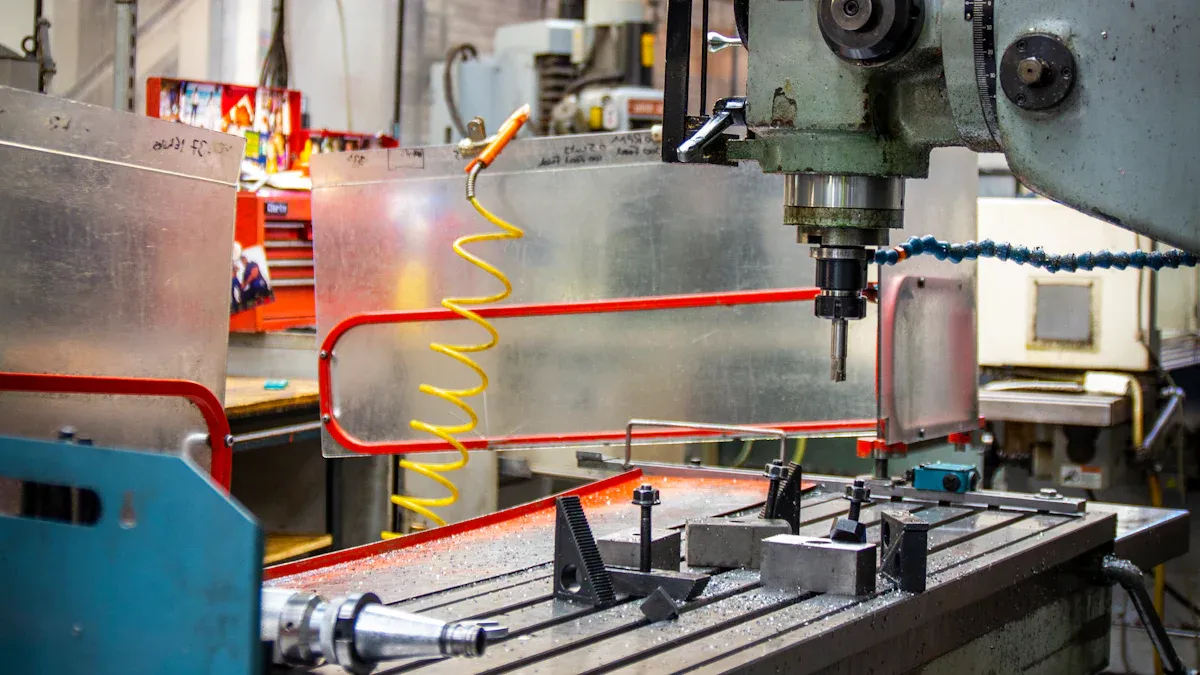
Selecting the right CNC machine for complex parts is crucial in precision manufacturing, especially when considering options like a 5 Axis CNC Machining Center or a CNC Turning and Milling Machine. The choice significantly influences both production efficiency and part quality. CNC machines excel in producing parts with high accuracy and consistency, which is vital in industries like healthcare, where even minor deviations can jeopardize product performance and safety. Factors such as material selection, machine calibration, and tool choice play essential roles in achieving high-quality finishes. For instance, using a high-precision 5-axis vertical machining center can enhance the overall manufacturing process, ensuring that components meet stringent standards. Additionally, understanding what is the difference between CNC turning-milling and milling-turning machines can help in making informed decisions. When should I use a 5-axis CNC gantry machining center? This question is important for optimizing production capabilities and achieving the best results in complex machining tasks.
Key Takeaways
- Choosing the right CNC machine is essential for producing complex parts efficiently and accurately.
- Consider the number of axes; 5-axis machines offer greater flexibility for intricate designs compared to 3-axis machines.
- Evaluate material properties and precision requirements to select a machine that meets your production needs.
- Assess production volume; different machines excel in low, medium, or high-volume production scenarios.
- Consult with experts and evaluate vendor options to ensure you choose the best machine and support for your manufacturing goals.
Overview of CNC Machine Types
CNC machines come in various types, each designed for specific manufacturing tasks. Understanding these types helps manufacturers select the right machine for complex part production. Here are the main categories of CNC machines used for complex part manufacturing:
- Machining Centers: These versatile machines perform multiple operations, including cutting, milling, and engraving. They can handle intricate geometries and require advanced programming techniques.
- Specialty CNC Machines: Designed for specific tasks, these machines excel in operations like engraving or laser cutting. They provide precision for detailed designs on surfaces.
- Multi-Axis CNC Machines: Capable of complex movements, these machines allow for intricate parts to be produced efficiently. They often involve multiple steps and operations, making them ideal for complex geometries.
- CNC Lathes: These machines focus on turning operations, shaping materials into cylindrical forms. They are essential for producing parts that require rotational symmetry.
- CNC Mills: Ideal for milling operations, these machines remove material to create desired shapes. They are commonly used for flat or contoured surfaces.
- CNC Routers: Suitable for cutting softer materials, CNC routers are often used in woodworking and sign-making. They provide flexibility for various applications.
Each type of CNC machine offers unique capabilities that cater to different manufacturing needs. Selecting the appropriate machine depends on the complexity of the parts, the materials involved, and the specific production requirements. By understanding these categories, manufacturers can make informed decisions that enhance production efficiency and part quality.
3-Axis CNC Machines
3-axis CNC machines represent a foundational technology in the world of computer numerical control machining. These machines operate along three linear axes: X, Y, and Z. They excel in producing simple geometries and are widely used in various industries. However, their capabilities come with both advantages and limitations.
Applications of 3-Axis CNC Machines
3-axis CNC machines find utility in several sectors, including:
- Aerospace Precision Engineering: They create components with tight tolerances.
- Automotive Manufacturing: These machines produce parts like brackets and housings.
- Medical Device Making: They manufacture surgical instruments and implants.
- Electronics Manufacturing: They assist in creating enclosures and circuit boards.
- Architectural Sector: They help in crafting detailed architectural models.
Limitations of 3-Axis CNC Machines
Despite their versatility, 3-axis machines have notable limitations:
- Lack of Rotational Movement: They cannot perform complex cuts that require rotation.
- Limited Access to Complex Surfaces: Some designs may be difficult to reach.
- Difficulty with Undercuts and Overhangs: These features often require additional setups or machines.
- Increased Machining Time and Tool Wear: More passes may be necessary for intricate designs.
- Challenges in Multi-Sided Machining: Producing parts with multiple faces can be cumbersome.
| Applications | Limitations |
|---|---|
| Aerospace precision engineering | Lack of rotational movement |
| Automotive manufacturing | Limited access to complex surfaces |
| Medical device making | Difficulty with undercuts and overhangs |
| Electronics manufacturing | Increased machining time and tool wear |
| Architectural sector | Challenges in multi-sided machining |
5-Axis CNC Machining Center
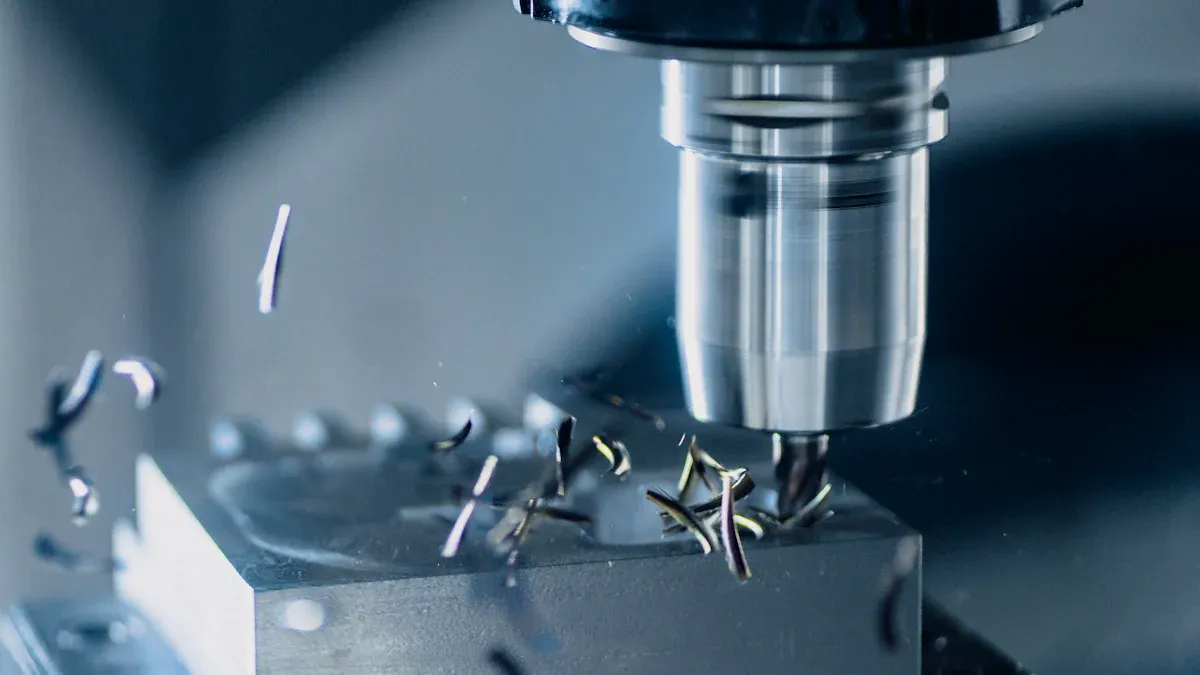
The 5-Axis CNC Machining Center represents a significant advancement in manufacturing technology. This machine allows for simultaneous movement along five axes, enabling the production of intricate parts with complex geometries. Compared to traditional 3-axis machines, 5-axis centers offer several advantages that enhance efficiency and precision.
Advantages of 5-Axis CNC Machining
- Complex Geometries: 5-axis machines can create shapes that are impossible for 3-axis machines to achieve. This capability is crucial for industries requiring detailed designs.
- Reduced Setup Time: With the ability to machine multiple sides of a part in one setup, 5-axis centers minimize the time spent on repositioning workpieces. This efficiency leads to faster production cycles.
- Improved Surface Finish Quality: The continuous motion of 5-axis machining allows for better tool engagement, resulting in superior surface finishes. This quality is essential for applications in aerospace and medical devices.
| Feature | 3-Axis CNC Machining | 5-Axis CNC Machining |
|---|---|---|
| Complex Geometries | Limited | Capable |
| Setup Time | Longer | Decreased |
| Surface Finish Quality | Moderate | Improved |
| Applications | General | Aerospace, Medical |
Applications of 5-Axis CNC Machining
Industries benefit from the versatility of 5-axis machining in various applications, including:
- Aerospace and Medical Devices
- Molds and Dies
- Turbine Blades
- Complex Housings
These applications highlight the machine’s ability to handle intricate designs while maintaining high precision. As manufacturers seek to improve their production capabilities, investing in a 5-Axis CNC Machining Center becomes a strategic decision.
Turn-Mill Compounds
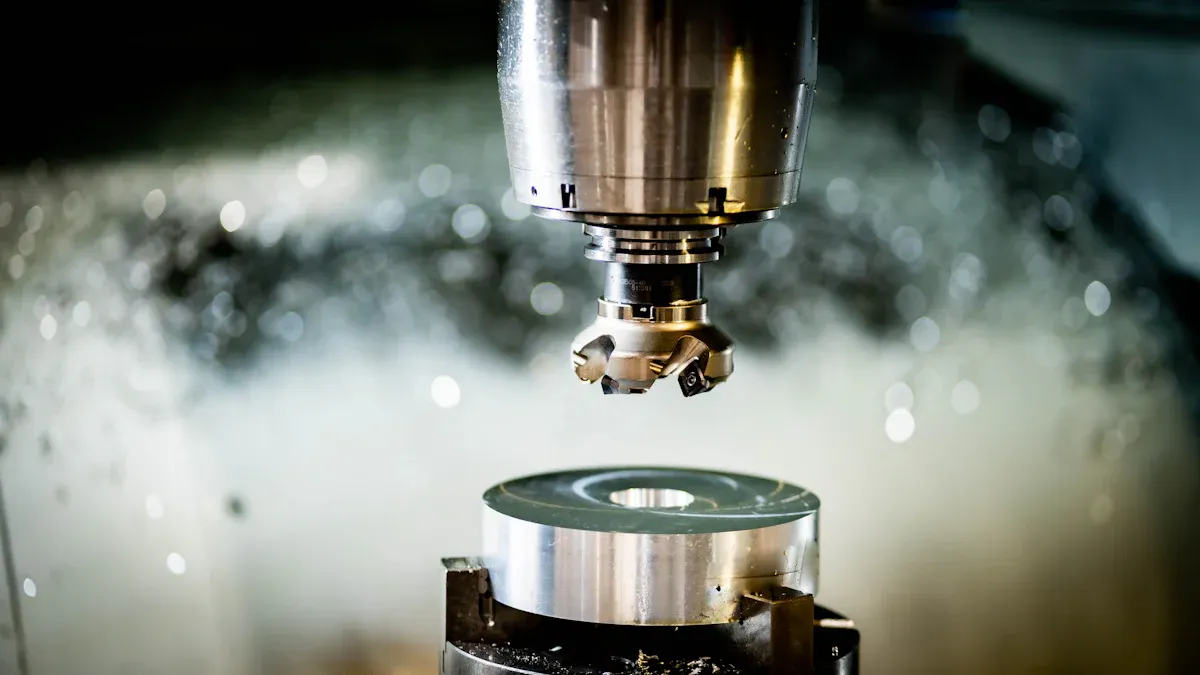
Turn-mill compounds represent a hybrid approach in CNC machining, combining both turning and milling operations within a single setup. This capability allows manufacturers to produce complex parts with intricate geometries efficiently. By integrating both processes, turn-mill machines reduce the need for multiple setups, which can significantly enhance productivity.
Advantages of Turn-Mill Compounds
- Versatility: These machines can perform a wide range of operations, including drilling, milling, and turning, all in one cycle. This versatility makes them suitable for various applications.
- Reduced Cycle Times: By eliminating the need to transfer parts between different machines, turn-mill compounds minimize cycle times. This efficiency leads to faster production and lower labor costs.
- Improved Accuracy: The ability to machine complex features in one setup enhances part accuracy. This precision is crucial in industries where tolerances are tight.
Common Applications
Turn-mill compounds find extensive use across several industries. The following table highlights key sectors and their specific applications:
| Industry | Application Description |
|---|---|
| Aerospace | Manufacturing complex aerospace parts such as engine components and structural elements. |
| Medical | Producing high-precision medical instruments and implants. |
| Automotive | Manufacturing various automotive parts. |
| Electronics | Creating components that require high precision and complexity. |
These applications demonstrate the machine’s ability to handle intricate designs while maintaining high standards of quality. As industries continue to demand more complex parts, turn-mill compounds offer a compelling solution for manufacturers seeking to enhance their capabilities.
Key Factors for Machine Selection
Selecting the right CNC machine for complex parts involves several critical factors. Manufacturers must evaluate these elements to ensure optimal performance and efficiency. Here are the key considerations:
- Number of Axes: Machines with 4-axis or 5-axis capabilities provide greater flexibility for complex part manufacturing. These machines can access multiple angles, allowing for intricate designs that 3-axis machines cannot achieve.
- Spindle Power and Speed: The choice of spindle power and speed depends on the material being processed. High-speed spindles are ideal for cutting softer materials, while high-power spindles are necessary for heavy-duty tasks. This selection directly impacts the quality of the finished part.
- Automation Features: Automation plays a significant role in enhancing efficiency. Features such as automatic tool changes reduce manual labor and minimize the risk of user error. This integration leads to consistent results and improved productivity.
- Cost Considerations: Cost is a crucial factor in machine selection. Manufacturers should consider setup costs, programming expenses, material selection, part complexity, and production volume. A comprehensive analysis helps optimize for cost-effectiveness.
- Lead Time: The design of the part can influence lead times. Complex designs may require more tooling and setup, affecting overall productivity. Manufacturers should assess how design complexity impacts their timelines.
- Design Feasibility: It is essential to ensure that the part design is suitable for CNC machining. Complex features, such as small cavities or intricate geometries, may pose challenges. Evaluating design feasibility can prevent costly mistakes.
Tip: Always consider the compatibility of the CNC machine with existing CAD (Computer-Aided Design) or CAM (Computer-Aided Manufacturing) software. Compatibility ensures a smooth workflow and reduces the learning curve for operators.
Machine Rigidity and Spindle Speed
| Factor | Explanation |
|---|---|
| Machine Rigidity | A more rigid machine can handle higher spindle speeds without compromising accuracy, essential for intricate geometries. |
| Spindle Speed | The spindle speed directly affects cutting quality, tool life, and surface finish, which are vital for producing complex parts. |
| Optimal Speeds | Maintaining appropriate spindle speeds minimizes tool deflection and vibration, resulting in precise cuts. |
| Higher Speeds | Higher spindle speeds lead to smoother surface finishes, advantageous for high precision and aesthetic applications. |
By considering these factors, manufacturers can make informed decisions when selecting CNC machines for complex part production. The right machine not only enhances efficiency but also ensures high-quality output.
Part Complexity
Part complexity plays a crucial role in selecting the appropriate CNC machine. Manufacturers must assess the intricacies of the parts they intend to produce. Complex geometries often require advanced machining capabilities to ensure precision and quality.
Multi-axis machining capabilities are essential for handling complex geometries and large part sizes. These features are particularly important in industries such as aerospace, where manufacturers produce intricate frames and components. The ability to machine multiple sides of a part in a single setup enhances efficiency and maintains the structural integrity of the finished product.
When evaluating part complexity, manufacturers can quantify it using a parametric model. This model estimates machining time by integrating complexity with other predictors from various machining processes. By understanding the information content of a part’s design, manufacturers can better predict the resources required for production.
Key Considerations for Part Complexity
- Geometric Features: Parts with undercuts, intricate curves, or tight tolerances demand machines with advanced capabilities. Multi-axis machines excel in these scenarios.
- Material Types: Different materials respond uniquely to machining processes. Complex parts made from harder materials may require specialized tooling and higher spindle power.
- Production Volume: High complexity often correlates with lower production volumes. Manufacturers should consider whether the machine can efficiently handle small batch sizes without sacrificing quality.
Tip: Always analyze the design of the part before selecting a machine. Understanding the complexity can prevent costly mistakes and ensure that the chosen CNC machine meets production needs effectively.
By carefully considering part complexity, manufacturers can make informed decisions that enhance their machining capabilities and improve overall production efficiency.
Material Considerations
When selecting a CNC machine for complex parts, manufacturers must consider the materials involved. Different materials exhibit unique properties that significantly influence machining processes. Understanding these properties helps in choosing the right machine and tools.
- Material Hardness: Hard materials require specialized machining techniques. They are more wear-resistant but can be challenging to machine. Manufacturers often need specialized tools to handle these materials effectively.
- Thermal Properties: The thermal characteristics of materials also play a crucial role. High melting points demand more energy and advanced tools for machining. Additionally, materials with low thermal conductivity may retain heat during machining. This heat retention can necessitate adjustments in cooling methods to prevent warping or cracking.
- Thermal Expansion: Materials with high thermal expansion can lead to internal stresses during machining. This stress may result in warping or cracking, affecting the final part quality. Conversely, materials with lower melting points improve machining ease but may require careful handling to avoid thermal failure.
- Machinability: The machinability of a material is influenced by its melting point and thermal conductivity. Lower melting points generally enhance machinability, while high thermal expansion can complicate the process.
Tip: Always evaluate the specific material properties before selecting a CNC machine. This evaluation ensures that the chosen machine can handle the material effectively, leading to better production outcomes.
By considering these material factors, manufacturers can optimize their CNC machine selection. This approach not only enhances machining efficiency but also improves the quality of the final products.
Precision Requirements
Precision is a critical factor in CNC machining. It directly impacts the quality and functionality of the final product. Manufacturers must understand the tolerances achievable with different CNC machine types to make informed decisions.
Different CNC processes offer varying levels of precision. For instance, 3-axis milling and turning can achieve tolerances of ±0.005″ (0.13 mm), suitable for general-purpose tasks. In contrast, advanced processes like Wire EDM can reach tolerances as tight as ±0.0002″ (0.005 mm), making them ideal for intricate shapes and hard materials.
Here is a summary of the precision tolerances achievable with various CNC machining processes:
| Process | Tolerance Range | Notes |
|---|---|---|
| Milling (3-axis) | ±0.005″ (0.13 mm) | Suitable for most general-purpose machining tasks. |
| Milling (5-axis) | ±0.005″ (0.13 mm) | Offers higher precision for complex geometries. |
| Turning (Lathe) | ±0.005″ (0.13 mm) | Ideal for cylindrical parts and high-volume production. |
| Engraving | ±0.005″ (0.13 mm) | Used for fine details and markings on parts. |
| Drilling | ±0.010″ (0.25 mm) | Tolerances depend on hole size and depth. |
| Routing | ±0.005″ (0.13 mm) | Commonly used for cutting sheet materials like wood, plastic, and metal. |
| Wire EDM | ±0.0002″ (0.005 mm) | High-precision process for intricate shapes and hard materials. |
| Surface Grinding | ±0.0001″ (0.0025 mm) | Achieves extremely tight tolerances and smooth surface finishes. |
| Plastic Machining | ±0.010″ (0.25 mm) | Tolerances may vary due to material flexibility and thermal expansion. |
| Aluminum Machining | ±0.005″ (0.13 mm) | Aluminum is easy to machine, allowing for tighter tolerances. |
| Steel Machining | ±0.005″ (0.13 mm) | Requires robust tooling and slower speeds to maintain precision. |
| Titanium Machining | ±0.010″ (0.25 mm) | Challenging material; tolerances may be looser due to hardness. |
Tip: When selecting a CNC machine, consider the required precision for your specific application. Higher precision often requires more advanced machinery and tooling, which can impact overall costs.
Understanding these precision requirements helps manufacturers choose the right CNC machine for their projects. The right choice ensures that parts meet stringent quality standards, ultimately enhancing production efficiency and customer satisfaction.
Production Volume
Production volume significantly influences the selection of CNC machines for complex parts. Manufacturers must assess their production needs to choose the right equipment. Here are key considerations regarding production volume:
- Low Volume Production:
- For low-volume production, flexibility is crucial. Machines that can handle various setups and part designs are ideal.
- 3-axis CNC machines often suffice for small batches, as they provide cost-effective solutions without sacrificing quality.
- Medium Volume Production:
- Medium production volumes benefit from machines that balance speed and versatility.
- 5-axis CNC machines excel in this area, allowing manufacturers to produce complex parts efficiently while maintaining high precision.
- High Volume Production:
- High-volume production demands machines that prioritize speed and automation.
- Turn-mill compounds or dedicated machining centers can significantly reduce cycle times. These machines often feature automation capabilities, such as automatic tool changers, to enhance productivity.
Tip: Always consider the expected production volume when selecting a CNC machine. The right choice can lead to significant cost savings and improved efficiency.
Summary of Production Volume Considerations
| Production Volume | Recommended Machine Type | Key Benefits |
|---|---|---|
| Low Volume | 3-Axis CNC Machines | Cost-effective, flexible setups |
| Medium Volume | 5-Axis CNC Machines | High precision, efficient production |
| High Volume | Turn-Mill Compounds | Speed, automation, reduced cycle times |
Understanding production volume helps manufacturers align their CNC machine selection with their operational goals. By evaluating these factors, they can optimize their processes and achieve better outcomes.
Comparative Analysis of Machine Capabilities
When selecting a CNC machine for complex parts, understanding the capabilities of different types is essential. This analysis focuses on three primary machine types: 3-axis CNC machines, 5-axis CNC machines, and turn-mill compounds. Each type offers unique features that cater to specific manufacturing needs.
Key Features Comparison
The following table summarizes the main differences in capabilities between 3-axis, 5-axis, and turn-mill compound CNC machines:
| Feature | 3-Axis CNC Machines | 5-Axis CNC Machines | Turn-Mill Compounds |
|---|---|---|---|
| Processing Direction | Limited to X, Y, Z movements | Includes two additional rotary axes (A and C) | Combines turning and milling in one setup |
| Processing Capacity | Suitable for simple surfaces | Handles complex shapes and deep cavities | Ideal for parts with both rotary and prismatic features |
| Machining Accuracy | May require multiple setups | Higher accuracy with single setup | Maintains precision across various operations |
| Cost and Maintenance | Lower costs and simpler maintenance | Higher costs and more complex maintenance | Moderate costs with versatile functionality |
| Programming Difficulty | Simpler programming | More complex programming requiring expertise | Requires knowledge of both turning and milling processes |
Flexibility and Adaptability
Flexibility and adaptability are crucial for handling complex geometries. The following table illustrates how different CNC machine types compare in these aspects:
| CNC Machine Type | Flexibility | Adaptability for Complex Geometries | Advantages | Disadvantages |
|---|---|---|---|---|
| 3-axis | Low | Limited | Simplicity | Less capable of intricate designs |
| 4-axis | Moderate | Improved | Enhanced precision, fewer setups | Higher costs, complexity |
| 5-axis | High | Excellent | Higher precision, access to all sides | High cost, programming complexity |
| Turn-mill | High | Excellent | Versatile operations in one setup | Complexity in programming |
Performance Metrics
Evaluating CNC machines for complex parts requires understanding various performance metrics. These metrics provide insights into machine capabilities and help manufacturers make informed decisions. Key performance metrics include:
| Metric | Definition | Typical Tolerance Range | Measurement Method |
|---|---|---|---|
| Dimensional Accuracy | Deviation of machined part dimensions from nominal specifications | ±0.001 mm to ±0.1 mm | Coordinate Measuring Machine (CMM) |
| Positional Accuracy | Error in reaching a programmed coordinate in the machine’s workspace | ±0.002 mm to ±0.05 mm | Laser Interferometry |
| Repeatability | Variation in achieving the same position or dimension over multiple cycles | ±0.001 mm to ±0.01 mm | Statistical Analysis of Repeated Trials |
| Surface Finish | Quality of the machined surface, measured as roughness (Ra) | 0.1 µm to 3.2 µm | Surface Profilometer |
These metrics help assess the precision and reliability of CNC machines. For instance, dimensional accuracy indicates how closely a machine can produce parts to specified dimensions. Positional accuracy measures the machine’s ability to reach programmed coordinates, while repeatability assesses consistency over multiple machining cycles. Surface finish quality reflects the smoothness of the final product, which is crucial for aesthetic and functional purposes.
Additionally, factors such as spindle speed, tool change time, and axis movement accuracy significantly impact performance. The following table summarizes their effects:
| Impact Area | Description |
|---|---|
| Precision Surface Finish | Higher spindle speeds improve finish quality by allowing smoother cuts, reducing tool marks and roughness. |
| Tool Life Optimization | Proper spindle speed reduces tool wear by balancing cutting efficiency and heat generation. |
| Maximum Throughput | Optimal spindle speed increases material removal rate, reducing cycle times and enhancing production. |
| Thermal Management | Higher speeds generate more heat, necessitating careful management to prevent tool and part degradation. |
By understanding these performance metrics, manufacturers can select CNC machines that meet their specific needs for complex part production. This knowledge ultimately leads to improved efficiency and product quality.
Cost Considerations
When selecting a CNC machine for complex parts, cost plays a pivotal role. Manufacturers must evaluate both acquisition and operating costs to make informed decisions. The initial investment varies significantly among machine types. For instance, 3-axis CNC machines typically range from $50,000 to $150,000, while 5-axis machines can cost between $200,000 and over $500,000.
Operating costs also differ markedly. The average hourly rate for 3-axis machining is approximately $40, whereas 5-axis machining averages between $125 and $150 per hour. This disparity reflects the complexity and capabilities of the machines.
| Machine Type | Average Acquisition Cost | Average Operating Cost |
|---|---|---|
| 3-Axis CNC | $50,000 – $150,000 | $40 per hour |
| 5-Axis CNC | $200,000 – $500,000+ | $125 – $150 per hour |
Total cost of ownership (TCO) is another critical factor. It encompasses purchase price, maintenance, and operational efficiency over time. For example, a 3-axis vertical machining center (VMC) may have a purchase price of $75,000 and a 5-year TCO of approximately $320,000. In contrast, a high-end 5-axis machine, costing around $350,000, can lead to a TCO of about $1,200,000 over five years due to its higher utilization and operational costs.
| Machine Type | Purchase Price | Utilization (hrs/yr) | 5-Yr TCO | Hourly Cost | Best For |
|---|---|---|---|---|---|
| 3-Axis VMC | $75,000 | 1,500 | ~$320,000 | $65 – $85 | High-mix, low-volume |
| High-End 5-Axis | $350,000 | 4,000 | ~$1,200,000 | $110 – $140 | Complex geometries |
Understanding these costs helps manufacturers align their budgets with their production needs. Investing in the right machine can lead to significant long-term savings and improved efficiency.
Maintenance and Support
Maintenance and support play critical roles in the longevity and performance of CNC machines. Regular maintenance ensures machines operate efficiently and reduces the risk of unexpected breakdowns. Manufacturers should prioritize a proactive maintenance strategy to address common challenges.
Some of the most frequent maintenance challenges include:
- Software Errors
- Mechanical Failures
- Electrical Issues
- Coolant Problems
- Material Handling Issues
- Vibration and Chatter
- Calibration Errors
- Dust and Debris Accumulation
- Operator Error
- Tooling Problems
Addressing these issues promptly can prevent costly downtime and maintain production schedules. Regular inspections and timely updates to software can mitigate many of these challenges.
Vendor support significantly influences the reliability of CNC machines. Effective communication with suppliers ensures that any issues are addressed promptly, which is crucial for maintaining project timelines. Responsiveness during the quoting stage often reflects how the vendor will operate during production. This responsiveness can affect overall reliability. Additionally, post-production support is vital; how a supplier handles issues after delivery can significantly impact machine performance.
Manufacturers should evaluate the support options available from vendors before making a purchase. A reliable vendor will offer comprehensive support, including training, troubleshooting, and access to spare parts. This support can enhance the overall efficiency of CNC operations and ensure that machines remain in optimal condition.
Tip: Always inquire about the maintenance and support services offered by vendors. Understanding these aspects can lead to better decision-making and improved machine reliability.
By prioritizing maintenance and selecting a vendor with robust support options, manufacturers can enhance their CNC machine’s performance and longevity.
Practical Tips for Decision Making
Manufacturers can enhance their CNC machine selection process by following several practical strategies. These strategies help ensure that the chosen machine meets the specific needs of complex part production.
- Process Simulation: Utilize simulation software to visualize the machining process. This approach allows manufacturers to predict outcomes and optimize settings before actual machining begins.
- Toolpath Optimization: Adjust the toolpath to improve efficiency and precision. A well-planned toolpath minimizes unnecessary movements, reducing cycle times and enhancing part quality.
- Material Selection: Choose materials that align with the complexity and requirements of the part. Selecting the right material can significantly impact machining performance and final product quality.
- Adaptive Machining Techniques: Implement techniques that adjust machining parameters in real-time. This adaptability can lead to better results, especially when dealing with varying material properties or unexpected challenges.
Additionally, manufacturers should consider the following tips:
- Use a multi-axis milling machine for parts requiring multiple setups. This choice minimizes the need for fixtures and enhances efficiency.
- Ensure the order of operations maintains rigidity until the final part is cut. This practice helps prevent deformation and maintains part accuracy.
- Be aware of limitations with 5-axis machines, such as part size and tool reach. Understanding these constraints can prevent costly mistakes during production.
By applying these strategies, manufacturers can make informed decisions that enhance their CNC machining capabilities. Investing time in the selection process ultimately leads to improved production efficiency and higher-quality parts.
Assessing Your Needs
Manufacturers must carefully assess their needs before selecting a CNC machine. This assessment ensures that the chosen equipment aligns with production goals and operational requirements. Here are key factors to consider:
- Product Requirements: Clearly define the size, materials, and precision needed for your workpieces. Understanding these specifications helps narrow down machine options.
- Budget Planning: Allocate funds wisely for both the purchase and ongoing operation of the CNC machine. Consider not only the initial investment but also maintenance and tooling costs.
- Production Batch Size: Evaluate the expected batch sizes. Machines with greater flexibility and automation capabilities are ideal for varying production volumes.
- Machine Type and Configuration: Choose equipment that fits your specific manufacturing process. Different machines excel in various applications, so aligning the machine type with your needs is crucial.
- Workshop Environment: Ensure that your workspace can accommodate the machine’s size and operational requirements. Safety and accessibility should also be prioritized.
- Brand and Service: Select a supplier known for reliability and support. A trustworthy vendor can provide essential maintenance and assistance, ensuring smooth operations.
Tip: Conducting a thorough assessment of these factors can significantly enhance the decision-making process. Manufacturers who invest time in understanding their needs often achieve better outcomes in terms of efficiency and product quality.
By taking these steps, manufacturers can make informed choices that lead to successful CNC machining operations. This proactive approach not only optimizes production but also contributes to long-term success in the competitive manufacturing landscape.
Consulting with Experts
Consulting with experts can significantly enhance the CNC machine selection process. Industry professionals possess valuable insights that can guide manufacturers in making informed decisions. Here are several reasons why seeking expert advice is beneficial:
- Expert Knowledge: Professionals understand the nuances of different CNC machines. They can provide information on the latest technologies and trends in the industry.
- Tailored Recommendations: Experts can assess specific production needs and recommend machines that align with those requirements. This personalized approach ensures that manufacturers choose the right equipment for their unique applications.
- Cost Efficiency: Consulting with experts can help avoid costly mistakes. Their experience allows them to identify potential pitfalls and suggest solutions, ultimately saving time and resources.
How to Engage with Experts
Manufacturers can engage with experts through various channels:
- Industry Conferences: Attending trade shows and conferences provides opportunities to meet industry leaders and learn about new technologies.
- Online Forums and Webinars: Participating in online discussions and webinars allows manufacturers to ask questions and gain insights from experienced professionals.
- Consulting Firms: Hiring a consulting firm specializing in CNC machining can provide tailored advice and support throughout the selection process.
Tip: When consulting with experts, prepare specific questions related to your production needs. This preparation ensures that discussions remain focused and productive.
Building Relationships
Establishing long-term relationships with industry experts can yield ongoing benefits. Regular consultations can keep manufacturers informed about advancements in technology and best practices. This proactive approach enhances competitiveness in the market.
Evaluating Vendor Options
Choosing the right vendor for CNC machines is crucial for successful complex part manufacturing. Manufacturers should evaluate several criteria to ensure they partner with a capable supplier. The following table outlines key factors to consider:
| Criteria | Description |
|---|---|
| Technical Capability | A vendor’s history with complex geometries, tight tolerances, and specialized materials indicates their capability. |
| Advanced Machinery | The use of multi-axis machining centers and high-quality tools impacts production versatility and precision. |
| Quality Assurance | Strong quality management systems, including certifications and in-process inspections, are essential. |
| Communication and Collaboration | Responsiveness and effective project management are crucial for successful partnerships. |
| Scalability and Flexibility | The ability to scale production and adapt to changing needs is important for long-term partnerships. |
| Data Security and Compliance | Ensuring data protection and compliance with industry standards is critical for sensitive projects. |
| Reputation and Client Relationship | A provider’s reputation and willingness to invest in partnerships are key indicators of reliability. |
| After-Sales Support | Ongoing support and responsiveness post-delivery are vital for customer satisfaction. |
A vendor’s reputation significantly impacts long-term CNC machine performance. For instance, a manufacturing company that fails to provide timely technical support can lead to customer dissatisfaction. Similarly, an industrial equipment supplier that neglects training resources may cause clients to seek alternatives due to lack of support. Furthermore, a renewable energy company that does not maintain its wind turbines can experience frequent failures, damaging its reputation for reliability.
Evaluating these factors helps manufacturers select a vendor that aligns with their production goals. A reliable vendor not only enhances operational efficiency but also contributes to the overall success of complex part manufacturing.
Choosing the right CNC machine is vital for manufacturers aiming to produce complex parts efficiently and accurately. Key factors to consider include:
- Tolerances, material thickness, and surface finishes.
- Critical features like threads and mating surfaces.
- Compatible file formats for CNC programming.
- Simplified wall thickness and deep features.
- Optimized geometries to manage costs and time.
- Reduced internal cavities for easier machining.
- Avoidance of extremely small features.
- Consistent radii for internal corners.
- Standard hole sizes and placements.
- Selective application of tolerances.
Investing time in the selection process leads to optimal results and enhances overall production quality.
FAQ
What is the main advantage of using a 5-axis CNC machine?
5-axis CNC machines allow for simultaneous movement along five axes, enabling the production of complex geometries in a single setup. This capability reduces setup time and improves surface finish quality.
How do turn-mill compounds enhance productivity?
Turn-mill compounds combine turning and milling operations in one setup. This integration minimizes cycle times and reduces the need for multiple machines, leading to increased efficiency and lower labor costs.
What factors should I consider when selecting a CNC machine?
Consider part complexity, material type, precision requirements, production volume, and budget. Each factor influences the machine’s capabilities and suitability for specific manufacturing tasks.
How can I ensure the longevity of my CNC machine?
Regular maintenance is essential for machine longevity. Schedule routine inspections, keep software updated, and address any mechanical issues promptly to prevent costly downtime.
Is it necessary to consult with experts before purchasing a CNC machine?
Yes, consulting with experts provides valuable insights into machine capabilities and industry trends. Their recommendations can help manufacturers make informed decisions that align with production needs.
Post time: Mar-02-2026