


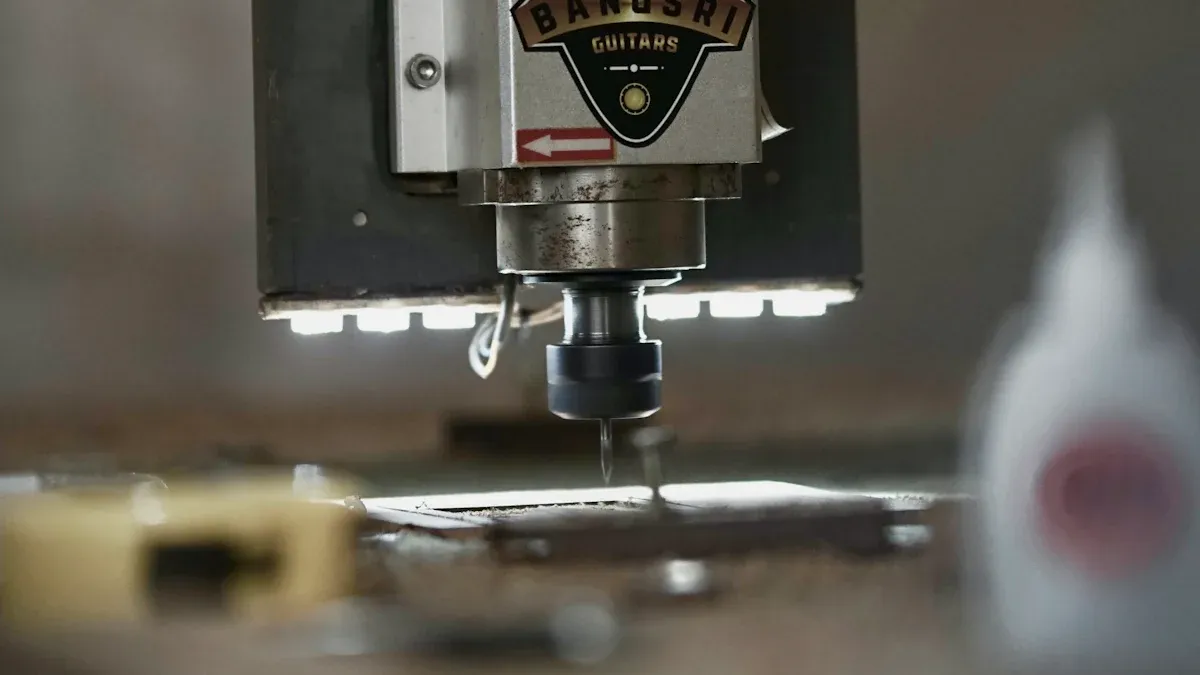
Choosing the right CNC machining center for a workshop can significantly impact productivity and efficiency. Factors influencing this decision include the type of machining required, budget constraints, and the desired accuracy. For instance, vertical milling machines excel in single-plane machining, while horizontal CNC lathes are better for multi-sided machining at various angles. Precision CNC machines often offer high accuracy, making them essential for tasks where precision is critical, such as in automotive part CNC machines. Additionally, operational budgets play a crucial role, as horizontal machines tend to have higher initial and maintenance costs compared to their vertical counterparts. As a special purpose machine manufacturer, we understand the importance of selecting the right equipment, including options like double spindle turning centers, to meet specific production needs.
Key Takeaways
- Horizontal CNC machines excel in multi-sided machining and heavy-duty applications, making them ideal for large parts.
- Vertical CNC machines are better for precision tasks and smaller parts, offering easier setup and operation for small production runs.
- Consider your workshop’s space and budget when choosing a CNC machine; vertical machines typically require less space and have lower initial costs.
- Evaluate the specific machining needs, including material types and sizes, to select the most suitable CNC machine for your operations.
- Both machine types have unique advantages; weigh the initial investment against long-term productivity and maintenance costs.
Understanding Horizontal CNC Machines
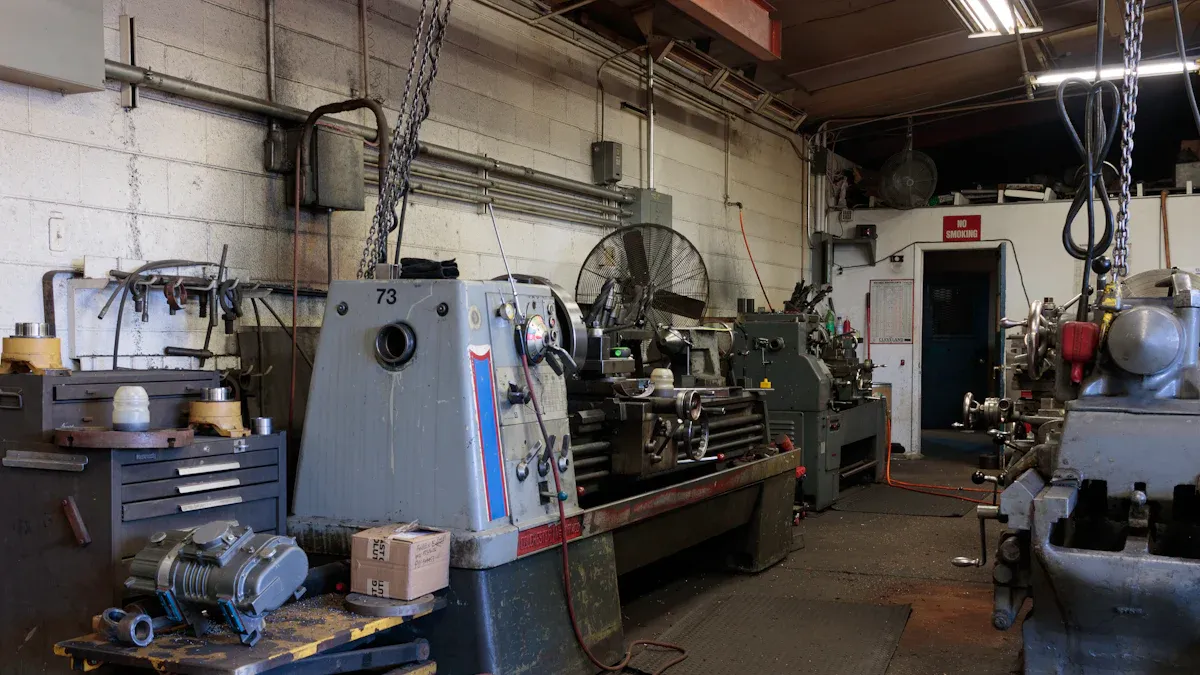
Horizontal CNC machines are essential tools in modern manufacturing, known for their efficiency and versatility. These machines feature a horizontal spindle orientation, which allows for effective chip removal during the machining process. This design minimizes the risk of chip accumulation, ensuring consistent accuracy and quality in the finished product.
Key structural components of horizontal CNC machines significantly impact their performance:
- Horizontal spindle: Facilitates chip discharge, preventing accumulation that affects accuracy.
- Rotary table: Allows automatic positioning for multi-face machining, enhancing efficiency.
- Automatic Tool Changer System: Reduces non-cutting time, making it suitable for complex parts.
Horizontal machining centers consist of several critical components. The tool magazine holds multiple cutting tools and changes them automatically. The spindle rotates at high speed for cutting, while the table secures the workpiece and adjusts its position. The bed serves as the base, suppressing vibrations, and the column supports the spindle and tool magazine, ensuring stability during operation.
| Component | Description | Impact on Performance |
|---|---|---|
| Slant-bed design | Typically inclined at 30° or 45°, providing structural rigidity and chip evacuation. | Enhances stability and operator ergonomics during machining. |
| Box ways | Combined with slant beds for heavy-duty applications. | Offers exceptional stability during aggressive cuts. |
| Rib-reinforced base | A one-piece design that supports the machine structure. | Reduces vibration and improves precision in machining. |
| High-torque spindle | Features a four-step gear transmission. | Ideal for high-torque machining environments. |
| Programmable tailstock | Allows for precise handling of long, heavy components. | Increases efficiency in machining complex parts. |
Horizontal CNC machines efficiently process a wide range of materials, including plastics, ceramics, composites, metals, castings, and specialty alloys. They excel in creating large or heavy parts, such as aerospace components. Additionally, they are suitable for specialty parts like cams and gears, and for parts requiring machining on multiple sides. This versatility makes them particularly beneficial in industries such as machinery manufacturing, aerospace, and automotive for producing high-precision parts.
The cost of purchasing and maintaining horizontal CNC machines varies widely. Entry-level machines can range from $2,000 to $5,000, while mid-range options typically fall between $10,000 and $100,000 or more. High-end machines can cost several million dollars, reflecting their advanced capabilities and features.
Spindle speed is crucial for machining efficiency. For example, a 10mm carbide endmill cutting aluminum at a speed of 300 m/min would require a spindle speed of approximately 9,550 RPM. Many horizontal CNC machining centers can achieve maximum spindle speeds of 10,000 RPM, with some high-speed spindles exceeding 100,000 RPM.
In terms of energy consumption, horizontal CNC machines can vary based on size and configuration. Larger machines generally consume more power due to additional motors and components. Higher speeds and feed rates increase power usage, while harder materials require more energy to cut. Continuous operation at full capacity leads to higher power consumption, although idle time can still draw power.
Industries utilizing horizontal CNC machines include aerospace, automotive, energy, heavy machinery, oil and gas, and shipbuilding. These machines play a crucial role in manufacturing significant components, ensuring precision and safety in various applications.
Understanding Vertical CNC Machines
Vertical CNC machines are pivotal in the manufacturing landscape, known for their precision and versatility. These machines feature a vertical spindle orientation, which allows for effective machining of various materials. The design facilitates easy access to the workpiece, making it ideal for tasks that require intricate detailing.
Key components of vertical CNC machines contribute significantly to their performance:
- Vertical spindle: This design allows for gravity-assisted chip removal, enhancing machining efficiency.
- Worktable: The flat surface supports the workpiece and can be adjusted for height and angle, accommodating different machining needs.
- Tool changer: This feature automates the process of switching between tools, reducing downtime and increasing productivity.
Vertical CNC machines consist of several essential parts. The spindle rotates vertically, allowing for precise cutting operations. The worktable holds the material securely, while the base provides stability during machining. The column supports the spindle and tool changer, ensuring consistent performance.
| Component | Description | Impact on Performance |
|---|---|---|
| Rigid frame | Provides structural integrity and minimizes vibrations during operation. | Enhances precision and accuracy in machining. |
| High-speed spindle | Capable of reaching high RPMs for efficient cutting. | Ideal for machining softer materials like aluminum. |
| CNC control system | Allows for programming complex machining tasks with high precision. | Increases flexibility and reduces manual intervention. |
| Adjustable worktable | Can be tilted or raised to accommodate various angles and heights. | Enhances versatility for different machining applications. |
Vertical CNC machines excel in various applications, including milling, drilling, and tapping. They are particularly effective for producing parts with complex geometries, such as molds and dies. Industries such as automotive, aerospace, and electronics benefit from the precision offered by these machines.
The cost of vertical CNC machines varies based on features and capabilities. Entry-level models can start around $5,000, while mid-range machines typically range from $20,000 to $100,000. High-end machines with advanced features can exceed $200,000, reflecting their enhanced capabilities.
In terms of energy consumption, vertical CNC machines generally consume less power than horizontal machines. Their design allows for efficient operation, especially when machining softer materials. However, larger machines may still require significant energy, particularly during high-speed operations.
Vertical CNC machines play a crucial role in modern manufacturing, providing the precision and versatility needed for a wide range of applications. Their ability to handle complex tasks makes them an essential tool for workshops aiming to enhance productivity and quality.
Key Differences Between Horizontal and Vertical CNC Machines
When comparing horizontal and vertical CNC machines, several key differences emerge that can influence a workshop’s decision. Understanding these distinctions helps operators choose the right CNC machining center for their specific needs.
| Feature | Vertical CNC Machines | Horizontal CNC Machines |
|---|---|---|
| Spindle Orientation | Spindle is vertical, cutting from above. | Spindle is horizontal, cutting from the side. |
| Machine Design & Construction | Simpler design with a single column and head. | More robust design with an overarm and arbor support. |
| Tool Geometry and Cutter Types | Uses longer, slender tools like end mills. | Uses shorter, thicker tools mounted on an arbor. |
| Material Removal Rate | Ideal for lighter, precise cuts. | Preferred for heavy roughing and large-scale material removal. |
| Precision and Accuracy | Excels at precision work on small parts. | Maintains accuracy better in heavy cuts. |
| Chip Evacuation | Chips accumulate and must be cleared manually. | More efficient chip removal due to gravity. |
| Workpiece Setup | Easier setup for single-face machining. | Can machine multiple sides in one setup. |
| Versatility of Operations | More versatile for general-purpose work. | Specialized for heavy cutting and contouring. |
| Cost | Less expensive to purchase and maintain. | Larger investment with higher costs. |
| Ease of Use and Training | Easier for beginners to learn and operate. | Requires more experience and advanced setup. |
In terms of workspace requirements, vertical CNC machines typically have a smaller footprint, making them suitable for workshops with limited space. Conversely, horizontal CNC machines require a larger footprint, which may not be ideal for smaller facilities.
| Machine Type | Footprint Requirement | Suitability for Limited Space |
|---|---|---|
| Vertical CNC | Smaller footprint | Yes |
| Horizontal CNC | Larger footprint | No |
These differences highlight the importance of assessing specific machining needs and available space when selecting between horizontal and vertical CNC machines.
Advantages of Horizontal CNC Machines
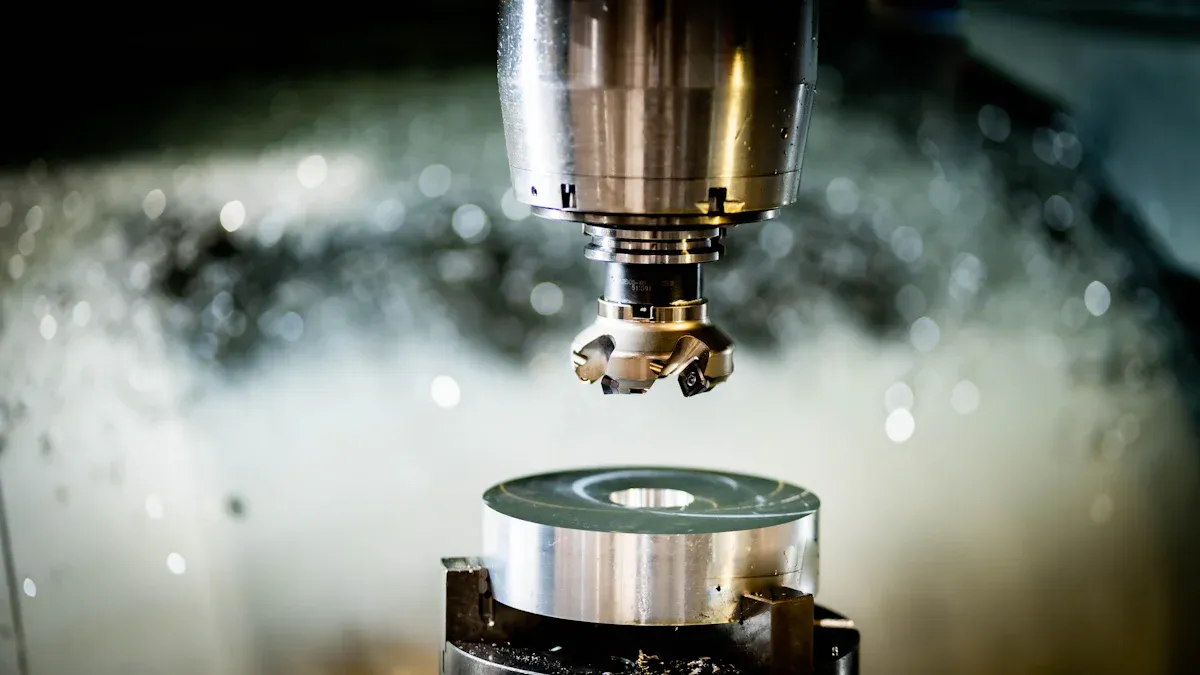
Horizontal CNC machines offer several advantages that enhance productivity and efficiency in manufacturing. These machines are known for their robust construction and ability to handle larger and heavier parts. Their design allows for multiple setups in a single operation, which significantly reduces downtime and increases output volume. In fact, horizontal machining centers can be 25-30% more productive than their vertical counterparts, especially when performing complex tasks.
One of the key benefits of horizontal CNC machines is their superior chip evacuation capabilities. The horizontal orientation facilitates better chip removal, which enhances surface finish and extends tool life. High-pressure coolant systems play a crucial role in this process. They flush chips away from the cutting area, preventing buildup that can damage tools and workpieces. This efficient chip evacuation minimizes the risk of re-cutting chips, which can lead to tool wear and surface imperfections. Additionally, these systems maintain consistent temperatures at the cutting edge, allowing for faster cutting speeds without compromising tool integrity.
Horizontal CNC machines also require fewer fixtures compared to vertical machines. This reduction decreases the likelihood of human error, thereby improving precision and accuracy. The combination of these factors makes horizontal CNC machines particularly advantageous for industries that demand high-quality, precise components.
Advantages of Vertical CNC Machines
Vertical CNC machines offer numerous advantages that make them a popular choice for many workshops. Their design and functionality cater to a variety of machining needs, particularly for small batch production. Here are some key benefits:
- Ease of Setup: Vertical CNC machines facilitate easier setup and operation, especially for small production runs. They automate tool changes, significantly reducing idle time. This automation allows operators to switch tools in just over 10 seconds, cutting idle time by 30-40%.
- Simultaneous Operations: These machines often feature pallet changers, enabling continuous operation. While one workpiece is being machined, another can be prepared, enhancing overall efficiency.
- Programming Efficiency: Advanced programming capabilities streamline the setup process. Canned cycles and parametric programming can save up to two-thirds of programming time, allowing operators to focus on production rather than setup.
- Integrated Machining Capabilities: Vertical CNC machines can combine multiple operations in one setup. This integration reduces delays and improves production cycles, making them ideal for complex parts that require various machining processes.
| Benefit | Description |
|---|---|
| Automatic Tool Changers (ATCs) | Switch tools in just over 10 seconds, reducing idle time by 30-40%. |
| Pallet Changers | Enable continuous operation by preparing workpieces while others are being machined. |
| Programming Efficiency | Canned cycles and parametric programming save up to two-thirds of programming time. |
| Integrated Machining Capabilities | Combine multiple operations in one setup, reducing delays and improving production cycles. |
These advantages make vertical CNC machines particularly effective for workshops that prioritize flexibility and efficiency. Their ability to handle intricate designs and perform multiple tasks in one setup enhances productivity, making them a valuable addition to any CNC machining center.
Disadvantages of Horizontal CNC Machines
Horizontal CNC machines, while powerful and efficient, come with several disadvantages that potential buyers should consider. These limitations can impact both operational efficiency and overall costs.
- Higher Cost: Horizontal CNC machines generally require a larger investment. They are more expensive to purchase and maintain than vertical machines. This higher cost can deter smaller enterprises from utilizing them.
- Complex Setup: Setting up horizontal machines often involves more intricate processes. Operators may need additional training and expertise to manage these setups effectively. This complexity can lead to longer downtime during initial configurations.
- Larger Footprint: Horizontal CNC machines typically occupy more floor space. This requirement can be prohibitive for smaller workshops that lack sufficient room for larger equipment.
| Limitation | Description |
|---|---|
| Higher Cost | Generally more expensive to purchase and maintain than vertical machines. |
| Complex Setup | More complex setup processes can require additional time and expertise. |
Maintenance requirements also differ significantly between horizontal and vertical CNC machines. Horizontal machines demand more frequent and complex maintenance, leading to higher operational expenses.
| Aspect | Horizontal CNC Machines | Vertical CNC Machines |
|---|---|---|
| Maintenance Requirements | Higher | Lower |
| Operational Expenses | Higher | Lower |
| Complexity | More complex | Simpler |
These factors contribute to the overall operational challenges associated with horizontal CNC machines. While they offer unique advantages, potential buyers must weigh these disadvantages against their specific needs and capabilities.
Disadvantages of Vertical CNC Machines
Vertical CNC machines, while versatile, have several disadvantages that users should consider before making a purchase. Understanding these limitations can help workshops make informed decisions.
- Limited Chip Removal: Vertical machines often struggle with chip evacuation. Chips can accumulate around the cutting area, leading to potential tool damage and reduced surface finish quality. Operators may need to stop the machine frequently to clear chips, which can slow down production.
- Less Suitable for Heavy Cutting: These machines excel in precision work but may not perform well in heavy-duty applications. When machining large or dense materials, vertical CNC machines can experience reduced efficiency and increased wear on tools.
- Lower Productivity for Complex Parts: Although vertical machines can handle intricate designs, they may not be as efficient as horizontal machines for complex multi-sided machining. Horizontal machines allow for simultaneous operations, which can significantly enhance productivity.
- Space Requirements: While vertical CNC machines generally occupy less floor space than horizontal models, they still require adequate room for operation and maintenance. Workshops with limited space may find it challenging to accommodate these machines effectively.
- Higher Maintenance Needs: Vertical CNC machines often require more frequent maintenance. The complexity of their components can lead to increased downtime and operational costs. Regular servicing is essential to maintain optimal performance.
| Limitation | Description |
|---|---|
| Limited Chip Removal | Chips can accumulate, affecting quality and requiring frequent clearing. |
| Less Suitable for Heavy Cutting | Not ideal for machining large or dense materials efficiently. |
| Lower Productivity for Complex Parts | May not match horizontal machines in multi-sided machining efficiency. |
| Space Requirements | Requires adequate room for operation and maintenance. |
| Higher Maintenance Needs | More frequent servicing can lead to increased downtime and costs. |
Choosing the Right CNC Machining Center for Your Workshop
Selecting the appropriate CNC machining center requires careful consideration of various factors. Workshops must evaluate their specific needs to ensure they choose a machine that enhances productivity and efficiency. Here are key criteria to consider:
- Type of CNC machining center: Determine whether a horizontal or vertical machine aligns with production needs and available space.
- Workpiece size and weight: Ensure the machine can accommodate the dimensions and mass of the workpieces.
- Material compatibility: Confirm that the machine can process the materials intended for use.
- Spindle requirements: Assess the necessary spindle speed and power for the operations planned.
- Tool storage capacity: Evaluate the number of tools required and ensure the machine has adequate storage.
- CNC controller preferences: Choose a controller that operators are familiar with to facilitate training and operation.
- Axis capabilities: Consider whether 4 or 5 axes are necessary for multi-sided machining.
- Automation needs: Determine if automation features are essential for enhancing productivity.
- Service and support: Investigate the manufacturer’s support for maintenance and training.
- Budget and ROI: Estimate total costs and potential returns on investment.
When considering budget constraints, vertical CNC machines (VMCs) generally offer a lower initial cost and require less operational overhead. This makes them suitable for smaller operations or workshops with limited budgets. In contrast, horizontal CNC machines (HMCs) typically demand a higher investment and more floor space, making them ideal for high-volume production environments.
Long-term cost implications also play a significant role in the decision-making process. Vertical CNC machines often have lower maintenance requirements and fewer breakdowns due to their simpler design. Conversely, while HMCs have a higher initial purchase price, they can handle larger jobs and maintain productivity in high-volume settings, justifying their cost for established businesses.
By carefully evaluating these factors, workshops can select the right CNC machining center that meets their specific needs and enhances overall operational efficiency.
In summary, both horizontal and vertical CNC machines offer unique advantages and disadvantages. Horizontal CNC machines excel in material removal and multi-sided machining, making them ideal for heavy-duty applications. Conversely, vertical CNC machines are better suited for precision tasks and smaller parts.
When selecting the right CNC machine, consider the following factors:
- Weigh the initial investment against long-term benefits. A higher upfront cost may lead to significant savings in durability and efficiency.
- Assess your facility’s space and installation requirements, including machine footprint and power supply needs.
- Ensure the machine size matches the projects you plan to work on.
By evaluating these aspects, workshops can make informed decisions that enhance productivity and efficiency.
FAQ
What is the primary difference between horizontal and vertical CNC machines?
Horizontal CNC machines have a horizontal spindle orientation, ideal for multi-sided machining. Vertical CNC machines feature a vertical spindle, making them better suited for precision work on smaller parts.
Which CNC machine is more cost-effective?
Vertical CNC machines generally have a lower initial purchase price and maintenance costs. However, horizontal CNC machines can offer better productivity for high-volume production, potentially justifying their higher investment.
Can both machines handle the same materials?
Yes, both horizontal and vertical CNC machines can process a variety of materials, including metals, plastics, and composites. The choice of machine often depends on the specific machining requirements and part complexity.
How do I determine the right machine for my workshop?
Consider factors such as the type of workpieces, required precision, available space, and budget. Assessing these criteria will help identify whether a horizontal or vertical CNC machine best suits your workshop’s needs.
What industries benefit most from CNC machining?
Industries such as aerospace, automotive, energy, and heavy machinery rely heavily on CNC machining. Both horizontal and vertical machines play crucial roles in producing high-precision components for these sectors.
Post time: Jan-30-2026